

The architectural styles of traditional South Indian houses beautifully merge cultural heritage, history, and functional design. These structures are notable for their distinctive characteristics, which not only adapt to the regional climate but also celebrate the deep-rooted traditions of South India. With an emphasis on aesthetics and practicality, these homes embody the essence of living in sync with the surrounding environment.
1. Distinctive Characteristics of Traditional South Indian Homes
Central to many traditional South Indian homes is the 'Nadumuttam,' or central courtyard, acting as the nucleus of the household. This area promotes airflow and sunlight, creating a warm environment for family interactions and social gatherings. The inclusion of local building materials, such as clay, wood, and stone, not only showcases craftsmanship but also supports eco-friendliness, making these houses sustainable living spaces.
Typically, these residences are single-story, featuring sloped roofs covered with clay tiles—ideal for handling the heavy rains during the monsoon. The architectural style resonates with South India’s rich heritage while adeptly responding to environmental demands, ensuring lasting comfort and resilience throughout seasonal changes.
2. Design Features and Layout Composition
Traditional homes are often structured with various rooms surrounding the central courtyard, enhancing space efficiency while nurturing a cohesive family atmosphere. Large windows and balconies in each room emphasize the connection to nature, allowing abundant sunlight and breeze to enter. The intricate wooden details on doors and windows enrich the aesthetic quality and demonstrate the region's artisanal skills.
Additionally, these homes feature distinct areas for cooking and other domestic tasks, with kitchens usually positioned in the south-east quadrant, following Vastu Shastra guidelines to promote positive energy within the home. This design approach fuses cultural significance with practical living benefits, making them unique.
3. Embracing Sustainability
Lately, there has been a renewed focus on traditional designs due to their inherent eco-friendly features, aligning with modern sustainability objectives. The naturally insulating qualities of materials like clay and laterite stone offer energy-efficient options often absent in contemporary architectures. This native efficiency not only decreases energy use but also fosters healthier living spaces.
In addition, cultivating local plants around the home supports eco-friendly practices, enhancing the aesthetics while benefiting the local ecosystem. By applying traditional gardening techniques and selecting native vegetation, homeowners can cultivate vibrant green areas that are both functional and visually captivating.
FAQ
Q: Which materials are commonly utilized in traditional South Indian house designs?
A: Frequently used materials include clay, brick, laterite stone, and timber, known for their durability and sustainability.
Q: How do traditional designs accommodate modern lifestyles?
A: Traditional designs can seamlessly integrate modern conveniences while maintaining key traditional elements, ensuring comfort alongside cultural integrity.
Q: What advantages does a central courtyard offer?
A: A central courtyard enhances airflow and natural illumination while establishing a tranquil environment for family gatherings, offering an ideal balance between private spaces and communal areas.
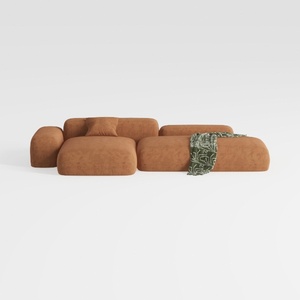
Minimalist Brown Fabric Modular Sectional Sofa 3D Model
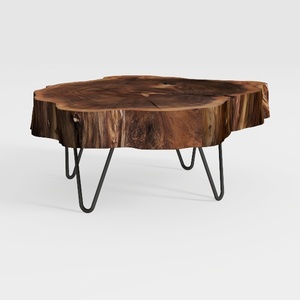

Natural Wood Coffee Table, Natural Wood Edge Conte

Yozma Curved Chenille Sectional Sofa Beige, Dual D
Transform your home design dreams into reality with Homestyler! This user-friendly online platform features a powerful design tool, stunning 3D renderings, and a wealth of DIY video tutorials. Whether you're a beginner or a pro, Homestyler makes home design inspiring and accessible for everyone.
Дизайн сейчас бесплатно
































