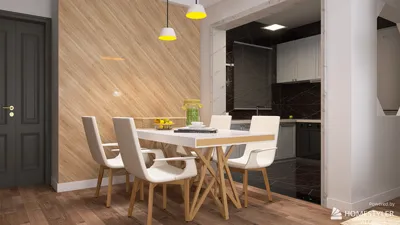


I once assisted a pair who were adamant about having their kitchen cabinets possess a "timeless" quality, resulting in seven different stain samples affixed to each drawer as if it were an art display. We chuckled at the chaos, but it highlighted how a single stain can dramatically alter the personality of a room. In compact kitchens, making a decision quickly is essential: selecting the right wood stain can create an illusion of space, bring warmth, or serve as a striking focal point. In this article, I will share five wood stain colors for kitchen cabinets that I frequently recommend, including honest advantages, minor pitfalls, and budget-friendly tips, all while keeping “ Homestyler” in mind for your design journey.
1. Light Natural Oak
Light natural oak stains are my preferred choice when clients seek an airy, Scandinavian aesthetic. They effectively reflect light and give a sense of spaciousness to smaller kitchens. The benefit is its versatility—you can combine this with white quartz countertops or warm brass handles. However, light stains may expose imperfections, meaning that proper cabinet preparation is essential. I refurbished a budget-friendly rental kitchen using oak stain, and careful sanding saved me from the hefty costs of replacements.
save pin
2. Warm Honey Maple
Honey maple stains introduce a cozy, welcoming warmth without appearing outdated. They pair wonderfully with patterned tile backsplashes and butcher block countertops. One challenge is that honey tones can take on an orange hue in specific lighting, so I always conduct tests under both natural and artificial light. For those with a mid-range budget, applying honey maple stain to upper cabinets alongside painted lower ones offers a luxurious appearance without the expenses of a full renovation.
save pin
3. Classic Walnut (Medium-Dark)
Walnut stains impart richness and a slightly formal ambiance, which I adore in open-plan layouts. They conceal wear remarkably well and blend seamlessly with matte black fixtures. The drawback, however, is that darker stains can visually compress small kitchens and make dust more visible—hence, ample lighting and reflective surfaces are crucial. I utilized walnut stain in a compact condo and complemented it with glossy white backsplash tiles to keep the atmosphere vibrant and inviting.
save pin
4. Deep Espresso
Espresso-stained cabinets approach a nearly black finish, making a bold statement. For a modern, moody kitchen vibe, I often suggest pairing espresso with warm under-cabinet lighting. It's durable and forgiving, but in kitchens lacking natural light, it can appear heavy. A practical tip I discovered: match espresso lower cabinets with lighter upper ones to prevent a cave-like effect.
save pin
5. Weathered Gray or Driftwood
Gray or driftwood stains are my secret asset for achieving a contemporary rustic aesthetic. They effectively mask scratches and harmonize beautifully with concrete or soapstone countertops. The only catch is that color variation may occur since different planks absorb stains differently; employing a hand-rubbed technique or pre-conditioning can resolve this. I recently applied driftwood stain in a beach cottage kitchen, and it was a hit, creating a relaxed, collected atmosphere.
save pin
Tips:
Selecting the ideal wood stain transcends mere color; wood type, grain pattern, and lighting are all critical considerations. If you're interested in exploring designs before making physical changes, I sometimes direct clients to an online design tool like Homestyler to visualize colors and layouts digitally. For a hands-on approach, collect real samples and evaluate them at various times throughout the day. A slight investment in testing can save you from future regrets.
save pin
FAQ
Q1: What is the most versatile kitchen cabinet stain color?
A1: Light natural oak is frequently regarded as the most versatile option, as it complements various countertop and hardware styles while making compact kitchens feel more spacious.
Q2: How can I prevent stain color from appearing different in evening light?
A2: It's advisable to assess stain samples in both natural daylight and your kitchen's artificial lighting; considering the undertones and testing larger sample boards can also be beneficial.
Q3: Is it possible to stain over existing cabinets, or are replacements essential?
A3: Most solid wood cabinets can be sanded and restained, which is generally more economical than replacements; however, laminate cabinets may need special primers or refacing.
Q4: Do darker stains attract more dust and wear?
A4: Indeed, very dark stains are likely to showcase dust and light scratches more conspicuously, requiring good lighting and regular upkeep.
Q5: How long can I expect a cabinet stain job to last before refinishing is required?
A5: With appropriate finishes and care, stained cabinets can endure anywhere from 7 to 15 years before needing a refresh, which varies depending on usage.
Q6: Are gray stains still in vogue for kitchens?
A6: Gray and driftwood stains continue to be trendy due to their ability to create a modern-rustic aesthetic while naturally concealing wear.
Q7: Where can I visualize different stain options in a realistic render?
A7: An online room planner like Homestyler lets you experiment with stains, finishes, and lighting before making any commitments.
Q8: Is there authoritative guidance on wood finishing that I can refer to?
A8: The Forest Products Laboratory (USDA) offers industry-standard resources regarding wood finishes and their durability: https://www.fpl.fs.fed.us/
save pin
Looking to elevate your home design? Try Homestyler! This user-friendly online platform offers an innovative design tool, stunning 3D renderings, and a wealth of design projects and video tutorials. Perfect for both beginners and seasoned designers, it makes transforming your space a breeze!
Desain sekarang Gratis
































