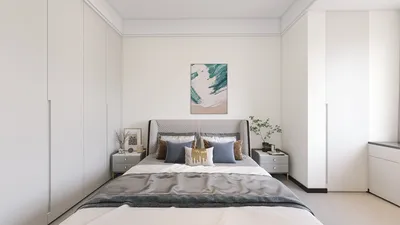


As an interior designer with over a decade of experience, I have observed the rise of white and gray as staples in contemporary living room design. These colors transcend mere trends; they serve as versatile backdrops that showcase personal flair. Particularly in smaller spaces, creativity knows no bounds. Hence, I’m excited to present my top 10 living room ideas in white and gray, melding my personal client experiences with expert insights to inspire your design journey using tools like Homestyler.
1. Minimalist White Walls with Textured Gray Sofa
My perspective: I once revamped a tiny apartment by painting the walls a warm white and incorporating a soft, smoky gray sofa with linen upholstery. The end result felt both spacious and inviting.
Advantages: White walls beautifully reflect light, while a textured gray sofa anchors the space. This combination is ideal for smaller areas, granting a sense of openness while maintaining comfort.
Disadvantages: White walls may need frequent cleaning, particularly if you enjoy hosting red wine gatherings.
2. Gray Accent Wall as a Statement Piece
My perspective: For a Scandinavian design enthusiast client, we introduced a dove-gray accent wall behind the sofa that became the room's visual focal point.
Advantages: An accent wall introduces depth without overwhelming the room. Lighter grays create a smooth transition between white and darker décor elements.
Disadvantages: Choosing an unsuitable gray shade can render a space dull; it's crucial to test paint samples under varying lighting conditions.
In fact, I complemented this design with an open layout that enhanced the natural flow, making the colors appear even more cohesive.
3. Layered Neutral Textiles
My perspective: I enjoy layering throws and cushions in different shades of white, cream, and gray to add a touch of softness. This is an easy, budget-friendly enhancement.
Advantages: It fosters tactile interest and seasonal adaptability without the need for wall repainting.
Disadvantages: Excessive similar tones can feel flat; it’s essential to mix textures effectively.
4. White Built-in Shelves with Gray Backs
My perspective: In a recent remodeling project, I constructed built-in shelving that was painted white, with the backing featuring a matte charcoal finish. This contrast made the displayed artwork stand out remarkably.
Advantages: Introduces subtle contrast while transforming storage into a feature wall.
Disadvantages: Built-ins require a greater investment and meticulous planning.
5. Gray Rugs to Ground Bright Spaces
My perspective: I frequently suggest mid-tone gray rugs for predominantly white rooms as they define furniture arrangements and draw the viewer's eye inward.
Advantages: Excellent for demarcating areas in open-concept living spaces; they conceal dirt better than white rugs would.
Disadvantages: If too dark, the rug might feel heavy—opting for a lighter gray is often more suitable in compact areas.
This strategy was especially effective in a project featuring minimalist Nordic zoning, where the rug delineated the conversation space beautifully.
6. Mix of Metallic Accents
My perspective: To add a sophisticated twist, I incorporate chrome, brushed nickel, or even warm brass accents within a white-and-gray color scheme. These metallics reflect light beautifully and enhance elegance.
Advantages: Reflective surfaces prevent the room from appearing flat; they seamlessly blend with both cool and warm grays.
Disadvantages: Excessive metallic use can lead to an overly lavish atmosphere, which may not suit everyone’s taste.
7. White Curtains and Natural Light
My perspective: I always remind clients never to underestimate the impact of sheer white curtains. In small white-and-gray living spaces, they beautifully diffuse sunlight.
Advantages: They create a sense of airiness, making the area seem larger; fitting for styles ranging from modern to bohemian.
Disadvantages: Sheer fabrics might limit privacy, so layering them with blinds is worth considering.
8. Charcoal Fireplace Surround
My perspective: One winter renovation included repainting a fireplace in a deep charcoal against white walls. Even unused, it became a striking focal point.
Advantages: It enhances drama and definition in neutral spaces, balancing lighter elements visually.
Disadvantages: An excessively dark charcoal might make the wall appear narrower.
This bold feature greatly enriched the warm atmosphere alongside a strategic furniture arrangement that optimized the living area flow.
9. Soft Gray Ceiling
My perspective: Painting the ceiling in a very light gray subtly lowers the visual height in overly tall rooms, creating a more intimate feel.
Advantages: This technique adds gray to the space without altering the wall colors.
Disadvantages: Be cautious, as it can make low ceilings seem even lower—measure carefully!
10. Monochrome Gallery Wall
My perspective: I love featuring black-and-white photography in gray frames against a white wall. It strikes a perfect balance of personal touch, modernity, and timeless appeal.
Advantages: This setup allows for personalized decoration; it works seamlessly in both classic and contemporary interiors.
Disadvantages: However, an overcrowded wall can feel cluttered—maintaining balance is key.
Conclusion
Ultimately, designing a living room in white and gray revolves around thoughtful layering and proportion. Small spaces do not confine style; rather, they push us to maximize creativity in every design decision. As noted by Architectural Digest, the simplest color schemes often culminate in the most refined interiors. Which of these ideas are you eager to implement using Homestyler?
FAQ
1. What advantages does a white and gray living room offer?
It provides a timeless aesthetic, harmonizes effortlessly with other colors, and is adaptable for both compact and expansive areas.
2. How can I prevent a white and gray living room from appearing cold?
Introduce warmth through textures, natural wood features, or metallic accents to balance the cooler hues.
3. Is gray a continuing trend in living room design?
Indeed, data from a 2023 Houzz trend report confirms that gray remains a favored option due to its versatility and calming qualities.
4. Which gray shades work best with white walls?
Light to mid-tone grays typically create the best contrast without overpowering the white.
5. Can I incorporate bold colors into a white and gray living room?
Certainly—introduce color through artwork, decorative cushions, or rugs for a seasonal refresh.
6. How do I enhance the appearance of my small white and gray living room?
Utilize mirrors, lightweight fabrics, and appropriately sized furniture; consider sheer curtains to maximize natural light.
7. Are white walls difficult to maintain?
They do require regular cleaning; however, washable paint can simplify maintenance.
8. Where can I visualize my white and gray living room layout?
You can explore tools such as Homestyler to experiment with layout designs before finalizing your space.
Discover your interior design potential with Homestyler! This user-friendly online platform offers an intuitive design tool, stunning 3D renderings, and a wealth of design projects. Plus, enjoy DIY video tutorials that inspire creativity. Transform your home effortlessly with Homestyler!
Progetta ora GRATIS
































