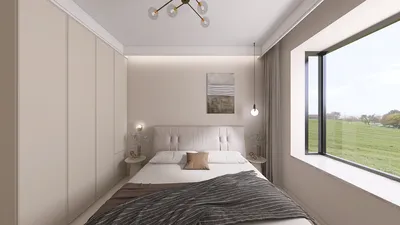


In a previous project, a client requested that their small basement be designed to mimic a sunlit studio while also ensuring it was completely waterproof. They desired both a warm ambiance and protection from dampness.
This challenge compelled me to combine aesthetics with functional waterproofing. I frequently utilized detailed 3D renderings to illustrate various finishes, saving both time and materials during the design process.
Working with compact spaces pushes creativity to new levels: the appropriate type of paint can seal, lighten, and even transform a room. Here, I will share five effective inspirations I often apply when choosing paint for waterproofing walls, drawing from actual projects, budgets, and some fortunate discoveries.
1. High-build waterproof coatings for basements
For basements, my go-to is often a high-build elastomeric or cementitious waterproof coating. These products effectively bridge hairline cracks and create a flexible protective layer. Though they are excellent for long-term use, they tend to be on the pricier side and require meticulous surface preparation. It's essential to address any active leaks beforehand and allow sufficient curing time.
save pin
2. Mold-resistant bathroom paints with satin finish
In bathrooms, I favor mildew-resistant paints that feature a satin or semi-gloss finish; they repel moisture, are easy to clean, and maintain a modern appearance. However, the shiny finish may expose imperfections, making proper smoothing and priming critical things to consider.
save pin
3. Decorative waterproof plaster for feature walls
For those seeking aesthetics alongside protection, waterproof decorative plasters such as microcement or polymer-modified renders provide texture while sealing the surface. These materials add a luxurious touch to small accent walls and are employed when clients value both durability and style. However, they do require skilled installers.
When planning these finishes, I often refer back to case studies that highlight smart design workflows, helping to coordinate materials and timelines with various trades.
save pin
4. Waterproof paints for laundry and utility rooms
High-gloss or acrylic waterproof paints are ideal for utility rooms, offering washability and cost efficiency. If overused, they can create a sterile ambiance, so I balance them with warmer accents, such as wooden trims, to create a more inviting space.
save pin
5. Kitchen splash zones featuring tiled base plus waterproof topcoat
In the kitchen, I recommend treating the primary splash zones with either tiles or solid surfaces, then applying a waterproof topcoat to the surrounding walls to shield them from steam and grease exposure. This combination is practical: tiles endure the mess, while the paint protects the rest of the area from moisture.
To ensure cohesive kitchen design, I sometimes consult applicable kitchen layout examples to align protective finishes with cabinet and appliance positions.
save pin
FAQ
1. Which paint type is best for waterproofing walls?
I typically suggest elastomeric or polymer-modified waterproof coatings for surfaces exposed to exterior dampness, while mildew-resistant acrylics work well for indoor wet areas. It's crucial to match the product specifications to the substrate and moisture expectations.
2. Can standard bathroom paint make a wall waterproof?
Standard bathroom paints offer moisture resistance but do not serve as true waterproof membranes. While they handle normal humidity well, they won't prevent water ingress from leaks or rising damp.
3. What preparations are needed for walls before applying waterproof paint?
Walls should be cleaned, cracks repaired, loose materials removed, and primed with a compatible sealer. Proper preparation often distinguishes between a temporary solution and a lasting one.
4. How long does it take for waterproof paints to cure?
Curing time can vary by product; acrylics may dry to the touch within hours, but full curing can take several days, while elastomeric coatings might require a week or more. Always follow the manufacturer's guidelines for the best results.
5. Are indoor waterproof paints safe to use?
Modern waterproof paints are often low-VOC and, once cured, are safe for indoor environments. However, it's advisable to ventilate during application and opt for low-VOC alternatives for homes that are occupied. For health recommendations, refer to the EPA's guidance on indoor air quality: https://www.epa.gov/indoor-air-quality-iaq.
6. Can I paint over mold?
Never apply paint over active mold; it must be cleaned and remediated first. Address any moisture sources before using an appropriate primer and paint.
7. What is the cost of waterproofing paint?
Prices can vary significantly: budget acrylics are more economical for small areas, while elastomeric systems and decorative plasters generally have higher costs. Don't forget to account for labor and preparation expenses, as they often exceed material costs.
8. How can I maintain waterproof painted walls?
To keep the coating in good condition, regularly clean with a mild detergent, check seals and joints, and promptly touch up any chips. Proper maintenance prolongs the lifespan of the coating and prevents moisture issues from returning.
save pin
Discover the ease of home design with Homestyler! This top-tier online platform offers a user-friendly design tool, stunning 3D renderings, and a wealth of inspiring design projects. Plus, enhance your skills with DIY video tutorials. Transform your space effortlessly today!
Design Now for FREE
































