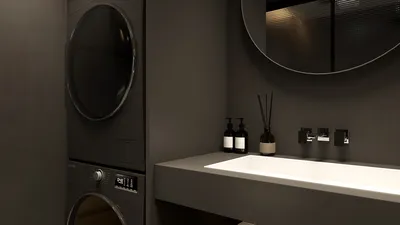


I once had a client request a basement that resembled a spa — dry, illuminated, and odor-free — all while keeping the original brick and vintage boiler intact. I found it amusing, quickly sketched a design on a napkin, and employed a 3D floor planner tool to demonstrate how strategic waterproof coatings and simple layout adjustments could rejuvenate the space instead of tearing it down completely.
1. Cementitious Waterproof Coatings — the dependable solution
I typically apply cementitious coatings when the walls display hairline fractures or are made of masonry. These coatings adhere solidly to concrete and block, are budget-friendly, and create a strong barrier that copes well with hydrostatic pressure overall.
They may not be aesthetically pleasing: the preparation work is labor-intensive (cleaning, wire brushing, patching), and the final look is pragmatic. If you desire a sleeker appearance afterward, consider applying a skim coat or a decorative top finish.
save pin
2. Elastomeric Masonry Paint — adaptable and forgiving
When I anticipate some movement in the foundation or clients desire a painted finish that conceals flaws, elastomeric paints are my preferred choice. They expand with minor shifts and resist water penetration while providing a lovely, uniform appearance.
A downside is that they can retain moisture if applied to damp walls; therefore, ensuring adequate drying time and moisture assessment is essential. Price-wise, they fall in the mid-range but can save money on future repairs thanks to their resilience.
save pin
3. Epoxy and Polyurethane Coatings — ideal for damp basements
In designing basements that also serve as laundry areas or home gyms, I often recommend using epoxy or polyurethane coatings for the lower sections of walls and floors. These create a robust, chemical-resistant surface that is simple to clean and impervious to substantial water.
The application is complex; mixing ratios and curing durations are critical — and costs are higher. However, when coupled with proper substrate preparation and a thoughtful layout using tools like a free floor planner such as Homestyler, you achieve a basement that is both functional and durable.
save pin
4. Breathable Silicate-Based Sealers — allow the wall to breathe
For older masonry materials where trapped moisture has been problematic, breathable silicate-based sealers make a clever compromise. They penetrate and crystallize within the material's pores, reducing water entry while permitting vapor to escape, which helps prevent peeling and salt bloom.
They won't halt running water and are not intended for cosmetic purposes; hence, I frequently pair them with an additional top coat or decorative facade. Expect moderate pricing and excellent compatibility with historical constructions.
save pin
5. Anti-Mold Acrylic Paints with Mold Inhibitors — the simple update
If your basement is generally dry but occasionally faces humidity and musty odors, modern acrylic paints featuring built-in mold inhibitors can provide an inexpensive refresh. I suggest these for finished basements where appearance is important and moisture management is already established.
While they are not a solution for active leaks, they enhance air quality and improve visual appeal. To help clients visualize changes and sell the concept, I often use tools like an AI interior design preview — seeing the color and finish in context expedites decision-making.
save pin
FAQ
Q1: What is the ideal paint for basement walls?
A: The best choice hinges on the issue at hand: cementitious or epoxy for active moisture, elastomeric for structural movement, and breathable silicate for older masonry. Always ascertain the water source first.
Q2: Can paint alone prevent basement leaks?
A: No; while paint can seal minor seepage and lower moisture transfer, significant leaks necessitate structural remedies such as drainage systems, outdoor excavation, or interior drainage solutions.
Q3: How do I assess moisture on basement walls pre-painting?
A: Utilize a moisture meter and conduct a plastic-sheet test on multiple spots for a duration of 24-72 hours to measure vapor. If indications are high, remedy the moisture problem before applying any coatings.
Q4: What is the longevity of waterproof paints?
A: Durability varies: epoxy coatings may last over 10 years given the right preparation, elastomeric paints can endure between 7 to 15 years, and cementitious products typically range from 5 to 10 years. Maintenance and environmental conditions play roles in longevity.
Q5: Is professional assistance necessary for application?
A: For epoxy and polyurethane, or when hydrostatic pressure is a concern, I advise hiring professionals due to the complexities of mixing, surface preparation, and safety considerations. Simple acrylic or silicate sealers can potentially be DIY projects with careful preparation.
Q6: Are there health or environmental risks?
A: Yes; some coatings release VOCs during application. Select low-VOC options, ensure good ventilation, and adhere to the manufacturer’s safety instructions. For more information on indoor air quality, consult the EPA recommendations (https://www.epa.gov).
Q7: What should my budget be?
A: Budget expectations vary widely: DIY options like acrylics or silicate sealers might cost under a few hundred dollars for a small basement; however, professional epoxy systems or structural waterproofing can escalate into the thousands. I always provide a price that includes preparation tasks.
Q8: Can waterproof paint inhibit mold growth?
A: Yes, it can reduce surface mold by limiting moisture absorption, particularly with inhibitor-infused paints. Nonetheless, maintaining low humidity, adequate ventilation, and fixing leaks is crucial for long-term prevention of mold.
save pin
Discover the joy of home design with Homestyler! This user-friendly platform features an intuitive online design tool, stunning 3D renderings, and a wealth of design projects and DIY video tutorials. Bring your creative visions to life effortlessly, whether you're a beginner or an experienced designer!
Concevez maintenant gratuitement
































