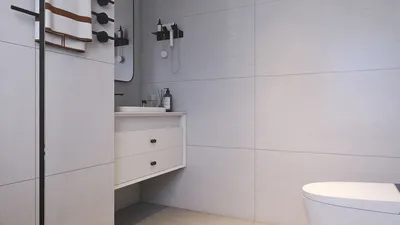


I once made a commitment to a client to create a "sunset living room," and almost ended up painting the entire space in neon hues. This was a vital lesson: the effectiveness of warm colors is greatly influenced by their undertones and the light in the room. In smaller areas, bold and confident design choices become essential, and I often utilize visualization tools like Homestyler to plan layouts before applying any paint.
1. Creamy Warm White
This is my preferred choice when my clients seek brightness without a clinical vibe. It reflects light beautifully and complements wooden elements and soft metallics, but it's crucial to be cautious with undertones—excessive yellow can give a room an outdated appearance.
Tip: Always test paint samples on various walls and observe them at different times, especially at night; while budget-friendly paints may seem economical, skimping on primer could end up costing more in the end.
save pin
2. Soft Terracotta
Terracotta has made a modern resurgence—it's warm and inviting, enhancing the appeal of textiles. I used it in a small dining nook to evoke an intimate, restaurant-like ambiance; however, be cautious as it can make a space feel smaller if overused.
A practical strategy: employ terracotta as an accent wall or behind open shelving, giving it the warmth effect without overwhelming the space with color.
save pin
3. Honey Beige
Honey beige radiates warmth without being overly pronounced; it adapts beautifully to natural light and pairs seamlessly with brass accents. Many clients have successfully used it to bring cohesion to irregularly shaped rooms.
Before final selections, I typically encourage clients to utilize tools like Homestyler to create precise floor plans and assess furniture placement—paint can look different once the sofa is in the room, believe me.
save pin
4. Muted Mustard
For a touch of personality, muted mustard injects vibrancy without resembling a 70s sitcom set. It's ideal for kitchens and entryways, but overdoing it in a small bedroom can feel overwhelming.
An affordable solution: apply mustard to cabinetry or a single wall, balancing it with cooler neutrals and greenery to achieve a harmonious palette.
save pin
5. Warm Greige with Brown Undertones
Greige with a slight brown undertone serves as the understated companion in a lively home—sophisticated yet subtle, it brings together various materials harmoniously. I employed this shade in a renovation where each room had distinct flooring; it unified the spaces without overpowering them.
If you're considering a remodel, match this color with natural wood and matte black accents, and when designing your cabinets or counters, think about how your kitchen layout can influence your paint choices—sight lines can alter the perception of warmth.
save pin
FAQ
Q1: What defines a paint color as 'warm'?
A: Warm colors possess undertones of red, yellow, or brown, reflecting light in a manner that creates a cozy and inviting atmosphere, particularly under warm lighting.
Q2: Can warm colors constrict a small room's appearance?
A: Indeed, deeply saturated warm shades can visually reduce space. It's best to use them as accents or to pair them with lighter warm neutrals to preserve an open feel.
Q3: What is the best way to test paint at home?
A: Purchase sample pots and create 2-foot squares on multiple walls. Observe these in different lighting—morning, afternoon, and evening—to identify variations in undertones.
Q4: Are warm whites preferable to cool whites?
A: This depends on your intentions; warm whites contribute coziness suitable for traditional or layered settings, while cool whites convey modernity and crispness. Consider nearby materials and lighting when making your selection.
Q5: What is the ideal lighting for warm paint colors?
A: Warm LED bulbs (2700K–3000K) bring out the richness in warm paints. Avoid overly cool bulbs, as they can clash with warm undertones, making them appear lackluster.
Q6: How should I coordinate trims and ceilings with warm walls?
A: I typically choose a trim color that is slightly cooler than the wall to create a gentle contrast. For ceilings, using a light warm white helps maintain a cohesive feel without diminishing perceived height.
Q7: Are there guidelines for matching wood tones with warm paints?
A: Focus on matching undertones rather than exact shades—warmer paints pair well with honey and walnut woods, while cooler neutrals match better with ashy finishes. Testing samples in your room's lighting is essential.
Q8: Where can I find more information about color theory?
A: For trustworthy technical insights, Sherwin-Williams provides resources detailing light reflectance and undertones (check out Sherwin-Williams at https://www.sherwin-williams.com). Their data will enhance your understanding of how various paints respond to different lighting conditions.
save pin
Homestyler is the ultimate online platform for home design enthusiasts. With its user-friendly design tool, stunning 3D renderings, and a wealth of engaging video tutorials, transforming your space into a dream home has never been easier or more inspiring!
Progetta ora GRATIS
































