

I often find myself chuckling at the time I transformed an entire living room into a vibrant mustard hue, convinced by a client who claimed it would give their feline a 'sunny' disposition. Instead, the cat chose to hide, and in the end, my client learned to trust my judgment more. This somewhat comical misstep reinforced a valuable lesson: the impact of warm colors on a room's atmosphere can be instantaneous, and selecting the perfect shade is truly an art form.
When it comes to small spaces, warm tones can be both forgiving and challenging. They have the power to turn a compact apartment into a cozy sanctuary or, if misapplied, can make it feel claustrophobic. Here, I will share five of my top inspirations that I have personally utilized in various projects, along with practical tips to help you avoid my previous mustard blunder. For visual planning, I frequently utilize a warm and inviting color palette: an ideal beginning to digitally test different combinations before applying paint.
Classic Warm Neutrals
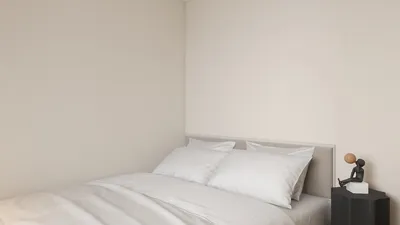
Consider warm greiges, soft taupes, and creamy off-whites. I often incorporate these shades when clients desire a soothing foundation that harmonizes with wooden furnishings and warm metallics. These colors are adaptable and work well if you like to switch up accent hues, although some greiges may present cooler undertones under certain lighting—always remember to test color swatches at various times during the day.
save pin
Terracotta and Earth Tones
Colors such as terracotta, clay, and ochre infuse a room with depth and a warm, grounded atmosphere. For instance, I once painted a small dining nook in terracotta, and it felt as though the space had matured overnight. However, strong earth tones can dominate, so I typically counterbalance them with lighter fabrics and reflective surfaces to keep the ambiance vibrant.
save pin
Soft Blush and Peach
Delicate blush or soft peach presents an unexpected warm option that brightens a space without overwhelming it. This is particularly effective for bedrooms and compact bathrooms, as it appears warm and fresh. When planning a layout for a cozy kitchen, consider pairing blush accents with intelligent cabinetry and small kitchen layout ideas that feature lighter cabinets to avoid a heavy visual impact: small kitchen layout ideas.
save pin
Deep Cocoa and Accent Walls
Rich chocolate or espresso tones serve as stunning accent walls behind sofas or beds, creating striking depth while keeping the adjacent walls neutral. While these shades convey a luxurious feel, they tend to absorb light. Hence, they are best suited for spaces with ample natural light or where layered lighting can be applied. A budget-friendly tip: paint just one wall to achieve a high-end effect with minimal resources.
save pin
Sunny Yellow and Muted Gold
Soft golden hues and gentle, warm yellows introduce cheerfulness without the intense jolt of neon shades. I once used a muted gold in a narrow hallway to offset the tunnel-like appearance, instantly making the space feel broader and more welcoming. To prevent any oversaturation, keep the trim and ceilings a clean, warm white and always visualize in 3D with tools like Homestyler before making a final decision: visualize in 3D.
save pin
FAQ
Q: What are the most suitable warm paint colors for small areas?
I recommend warm neutrals such as greige, soft taupe, or subtle blush. These shades provide warmth without overwhelming the area and complement natural wood elements beautifully.
Q: What is the best way to test warm colors in my home?
Apply multiple 12x12" swatches on various walls and observe them throughout the day under different lighting conditions. Swatches will reveal undertones that photographs might not capture.
Q: Are warm paints appropriate for kitchens?
Absolutely—warm shades can create an inviting kitchen atmosphere. Combine these wall colors with reflective backsplashes and layout choices that maximize light for the best results.
Q: Do warm colors impact resale value?
Typically, neutral warm tones are attractive to potential buyers; however, excessively bold warm hues could limit appeal. If resale is a concern, opt for softer, neutral warm palettes.
Q: What finish should I select for warm paint?
Matte or eggshell finishes conceal wall imperfections and impart a cozy look, whereas satin offers a mild sheen that is durable for high-traffic areas. Choose a finish based on the room’s function and the condition of the walls.
Q: How do lighting and undertones affect warm paint?
Lighting alters the perception of color: north-facing areas can dull warm hues, while south-facing rooms enhance them. Always evaluate samples within the actual room at various times of the day.
Q: Are low-VOC warm paints beneficial for indoor air quality?
Yes, selecting low-VOC paints minimizes indoor emissions and enhances air quality. According to the U.S. EPA, low-VOC options help reduce indoor pollutants and odors.
Q: Is it possible to blend warm colors across different rooms?
Certainly—utilizing a range of warm shades in adjacent areas creates a cohesive flow while allowing each room to maintain its uniqueness. Ensure consistent undertones (either warm or cool) to sustain harmony throughout the spaces.
save pin
Homestyler is your go-to online home design platform, offering an intuitive design tool, stunning 3D renderings, and a wealth of design projects and video tutorials. Whether you're a beginner or a seasoned DIYer, Homestyler makes it easy to visualize and create your dream space!
Concevez maintenant gratuitement
































