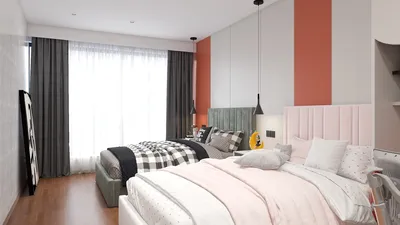


In my experience, installing a swing-arm wall light in a client's compact studio showcased a crucial design lesson. Initially, the lamp shade was too wide and collided with the wardrobe whenever the bed was folded. We shared a laugh and opted for a slimmer fixture, which reinforced the idea that careful selection of wall lights is essential for both functionality and flow in small spaces. Tiny areas inspire some of the most innovative ideas, leading me to share five of my preferred wall lighting solutions that I’ve implemented in various projects.
1. Swing-Arm Wall Lights
Swing-arm wall lights are my favored choice for those who need adjustable task lighting without the necessity of ceiling drilling. These fixtures can be pulled in for focused reading, and pushed aside when extra space is needed. The advantages include great directional lighting and a variety of designs, while the minor inconvenience involves ensuring that the arm’s reach remains free of nearby furniture — it's essential to measure twice and mount once. In a recent guest room update, I utilized a sleek brass arm to keep the look sophisticated yet low-profile.
save pin
2. Adjustable Gooseneck Lamps
Gooseneck wall lights offer flexibility and a minimalist vibe, making them an excellent choice for rental situations. Their lightweight design usually allows easy repositioning, a significant advantage for tenants who can't engage in extensive rewiring. However, they may compromise on light output when compared to larger fixtures, so pairing them with warm, high-CRI bulbs is advisable for optimal reading comfort. I recommended one to a college student who appreciated the lamp’s directional functionality and minimal clutter.
save pin
3. Integrated Wall Sconce with Shelf
By merging lighting and storage, an integrated wall sconce with a shelf can save valuable space. I designed such a fixture for a micro-apartment where the resident needed a spot for glasses and a book. These multifunctional units are great for decluttering bedside tables, although they do slightly reduce shelf depth. To visualize this setup beforehand, consider utilizing 3D floor planning tools; they can aid in understanding scale and placement, making options like Homestyler particularly useful.
save pin
4. Recessed Mini Wall Lights
For those desiring a streamlined, built-in appearance, recessed mini wall lights serve as an understated solution. They sit flush against the wall, eliminating snag issues when moving furniture, and provide a cozy pool of light, ideal for bedtime reading. The downsides include a more complicated and often costlier installation, but for homeowners seeking a long-term solution, the investment tends to yield a cleaner and more durable finish.
save pin
5. Clip-On Wall Reading Lamps
If you’re looking for a no-commitment lighting option, clip-on wall reading lamps can be incredibly efficient. They easily attach to a mounted board or picture frame and can be switched between different rooms. While they are budget-friendly and adaptable, they occasionally lack stability and finish quality; choosing clamps with rubber grips can protect surfaces effectively. I keep several on hand for staging homes or conducting temporary photo shoots.
save pin
Tips 1:
Here are some practical pointers: aim for warm-white bulbs around 3000K with a high CRI for an inviting, true-to-color illumination; position lights approximately 60-90 cm above the reading area; and always mock up the layout in a floor plan to prevent interference with doors or shelves. For more precise help with layouts, the complimentary floor plan creator of tools like Homestyler allows you to visualize different lamp placements in 3D before making a purchase.
save pin
FAQ
Q1: What color temperature is ideal for wall light reading? A1: I recommend a color temperature of around 2700K-3000K for warm, eye-friendly light that helps create a relaxing environment leading up to bedtime.
Q2: How bright should a reading wall light be? A2: Target a brightness of 300–500 lumens that focuses on your reading area; adjustable lamps aid in achieving the right comfort level.
Q3: Are hardwired wall lights superior to plug-in versions? A3: Hardwired fixtures provide a cleaner look and a more permanent solution, while plug-in options offer flexibility for renters and simple swaps.
Q4: Can wall lights harm wallpaper? A4: Heat is the primary consideration; selecting LED fixtures with low heat output and maintaining a small gap between the fixture and wall can prevent discoloration.
Q5: Where should a reading wall light be situated in relation to the bed? A5: Position it about 60–90 cm above the top of the mattress, slightly behind shoulder height, for glare-free illumination.
Q6: What fixtures are the best choice for very small rooms? A6: Slim swing-arms, goosenecks, or recessed mini fixtures are perfect for compact spaces as they maintain an open visual field and maximize usable room.
Q7: How can I ensure safe installation? A7: Always adhere to local electrical codes and consider hiring a certified electrician for hardwired fixtures; consult the National Electrical Code (NEC) for recommended safety practices.
Q8: Can I preview wall light placement in a room model? A8: Absolutely — utilizing a 3D room planner is beneficial for visualizing scale and positioning before making any purchases, which helps to avoid costly errors.
save pin
Homestyler is your go-to online home design platform! With its user-friendly design tool, stunning 3D renderings, and a treasure trove of design projects and DIY video tutorials, you can easily create and visualize your dream spaces. Transform your home effortlessly!
Concevez maintenant gratuitement
































