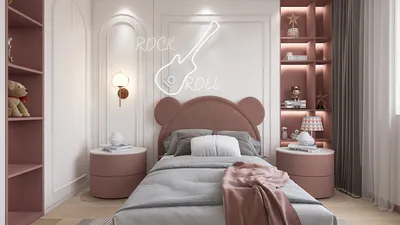


On one occasion, I transformed an entire bedroom with my client's preferred neon green, as they insisted it would create a calming atmosphere. This experience taught us the importance of testing colors beforehand. In small bedrooms, each choice amplifies, so I always begin by envisioning the space as a whole and considering how wall treatments will interact with furniture and lighting. If you're contemplating changes to your walls, here are my top tips for small rooms, derived from real-life projects and a few notable near-misses. For efficient planning, I often sketch simple room layout ideas prior to choosing paint or art, sometimes utilizing Homestyler for an initial visual layout.
1. A Gallery Wall That Tells a Story
Instead of searching tirelessly for one perfect piece, I prefer to arrange photos, prints, and small mirrors into a cohesive gallery that narrates a personal story. This approach is budget-conscious, easy to update, and creates a curated look on the wall. However, achieving the correct spacing demands patience and the use of a template or painter’s tape. A professional tip: lay everything out on the floor first and take a photo to visualize the final arrangement.
save pin
2. Textured Accent Walls (Paint + Plaster or Wood Slats)
Incorporating texture can introduce depth without overwhelming colors — a matte plaster finish or vertical wood slats not only gives intention to a wall but also visually enhances the room's height. While this option might be more costly than regular paint and somewhat challenging for rentals, removable slat panels or peel-and-stick textured wallpapers are excellent alternatives.
save pin
3. Built-In Shelving and Green Elements
Floating shelves allow you to merge storage with display, and the addition of trailing plants softens the overall ambiance. To preview various shelf arrangements or artwork placements, I often create models to envision concepts at scale. Tools that visualize wall layouts in 3D, such as Homestyler, are invaluable for illustrating design before we finalize decisions. Just keep in mind that dust and weight limits are small compromises when using shelves.
save pin
4. Headboard Alternatives: Fabric Panels, Wallpaper, or Paint
Not everyone desires a bulky headboard; options like fabric panels or a striking wallpaper strip behind the bed can effectively anchor the space and surprisingly, they can be budget-friendly too. These alternatives are also removable — fabric panels typically attach with Velcro, while painted geometric designs can make an impactful statement, especially when using low-VOC paint.
save pin
5. Layered Lighting and Reflective Elements
Effective lighting can transform a simple wall into a mood enhancer: imagine wall washers, bedside sconces, and strategically placed mirrors to reflect light. When I am exploring various color and finish combinations, I might use AI-generated mood boards to expedite decision-making; however, it’s crucial to ensure that technology complements rather than replaces your personal taste.
save pin
FAQ
Q1: What paint colors enhance the perception of space in a bedroom?
Light, cool shades such as soft blues, gentle greens, and neutral grays can reflect more light, visually pushing the walls back. I recommend testing samples on your walls at different times of the day before making a final choice.
Q2: How can I hang artwork without damaging the walls in a rental?
Consider using removable hooks, adhesive strips designed for picture hanging, or freestanding picture ledges. These solutions provide flexibility and protect the plaster or drywall underneath.
Q3: Are mirrors effective in small bedrooms?
Absolutely — a well-placed mirror reflects natural light and can effectively double the visual space, especially when positioned opposite a window. It's essential to avoid placing mirrors where they could reflect clutter; aim for a serene, light-filled perspective.
Q4: How can I determine the right size for wall art?
Generally, leave about 10–20cm of space around framed pieces when hung above furniture, or strive for art that occupies around two-thirds of the furniture's width below. Creating mock-ups on the floor or using paper templates taped to the wall can simplify this process.
Q5: Can plants be utilized effectively on bedroom walls?
Definitely — wall-mounted planters or small shelves designed for trailing plants can enhance life and improve air quality. Consider low-light tolerant plants like pothos or philodendron if your room lacks sunlight.
Q6: Do dark accent walls truly make my bedroom feel smaller?
Dark walls can create a cozy atmosphere and can work effectively when balanced with lighter bedding and reflective accents; they won’t necessarily make the space feel cramped if done thoughtfully. Texture and lighting are key in preventing the room from feeling too heavy.
Q7: Is there scientific backing that bedroom color influences sleep?
Yes — research and expert opinions suggest that cool, muted colors often induce relaxation. As noted by the National Sleep Foundation, the bedroom environment, encompassing color and lighting, significantly impacts sleep quality.
Q8: What are some quick budget-friendly updates for a tired bedroom wall?
Consider swapping out art and throw pillows, adding a peel-and-stick wallpaper panel behind the bed, or installing a simple picture ledge. These small modifications are cost-effective and can create a substantial visual impact without necessitating a complete renovation.
Discover the joy of home design with Homestyler! This user-friendly online platform offers an intuitive design tool, stunning 3D renderings, a wealth of design projects, and helpful video tutorials. Whether you're a beginner or an experienced DIYer, Homestyler makes transforming your space simple and inspiring!
今すぐ无料でデザイン
































