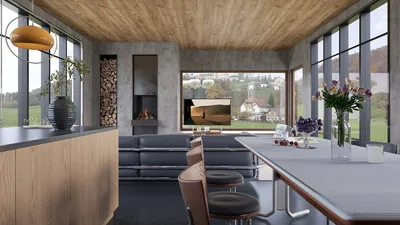


I once had a client with a vision for their dining room to resemble "an elegant forest" — they even brought in a potted ficus and requested walls painted in moss tones. Initially, I considered a green ceiling but soon realized that achieving balance was essential over sticking to a theme. Subtle decisions in color allocation can transform an awkward corner into the standout feature of the space. After a decade of working on kitchen and dining projects, I have gathered valuable insights that can save both time and money.
1. Deep Navy + Warm Cream
Combining deep navy on the lower walls or as an accent wall with warm cream on the upper walls creates a tailored aesthetic reminiscent of a sophisticated blazer. I applied this scheme in a city apartment where the dining area flows into the living room; the navy anchors the dining table while the cream keeps the sightlines airy. Benefits include contrast without heaviness, and it effectively conceals scuffs on lower walls. The only challenge is selecting a warm cream instead of stark white to prevent a cold feeling alongside the navy.
save pin
2. Olive Green + Soft Terracotta
The combination of olive green and soft terracotta fosters a contemporary and earthy ambiance that complements wooden furnishings beautifully. I experimented with this pairing in a charming townhouse, where terracotta trim around the buffet highlighted dishes and photos. The advantages are a warm and inviting atmosphere that's perfect for textured accessories, though low lighting may necessitate additional illumination to maintain color vibrancy.
save pin
3. Charcoal Gray + Blush Pink
Charcoal gray paired with blush pink creates an unexpectedly elegant combination — the charcoal adds drama while the blush softens the atmosphere. Utilize charcoal for the wall behind shelving units or a chair rail at headboard height, with blush throughout the rest of the room. This design is ideal for achieving a modern look that isn't stark. The pros include a chic and gender-neutral approach, but be aware that blush undertones can vary, so always test swatches in natural light.
save pin
4. Sage Green + Crisp White
The pairing of sage green with crisp white trim evokes a light, Scandinavian vibe. I implemented this combination in a compact dining nook, where white trim on window frames and the ceiling contributed to a feeling of height. The perks include timelessness and ease of accessorization while effectively covering minor flaws. However, if your furniture carries green undertones, aim for contrast in your textiles.
save pin
5. Mustard Yellow + Slate Blue
Mustard yellow combined with slate blue offers a playful yet grounded aesthetic — the mustard injects energy into the space while the slate provides a calming effect. I once persuaded a cautious couple to use mustard as an accent on their lower wall, and their guests rave about it. The benefit is that it creates an upbeat atmosphere ideal for entertaining; however, be cautious with overuse of mustard, limiting it to one wall or a dado band.
For quick layout ideation, I often begin by sketching paint zones in a room planner to assess proportions and lighting variations, ideally utilizing tools like Homestyler for accurate visualization.
save pin
Tips 1:
Here are some practical tips: always apply three large paint swatches and observe them in both morning and evening light; use satin finishes on dining walls which allow for easier cleaning; and coordinate your textiles (like curtains and cushions) to bridge both colors seamlessly. For those on tighter budgets, consider painting one wall with a bold hue and introducing affordable wall art to integrate the secondary color.
save pin
FAQ
Q1: What are the best two colors for small dining rooms?
A1: Light and dark contrasts such as sage green with crisp white or deep navy with warm cream can create a layered effect that makes small dining rooms feel larger by adding depth.
Q2: Should the darker color be on an accent wall or the lower portion?
A2: Both options are effective; accent walls offer a bolder statement, while darker lower halves (dado) provide a grounding effect for furniture and help conceal scuffs.
Q3: How can I test colors before making a commitment?
A3: Apply large paint swatches on varying walls and observe them throughout different times of day over a minimum of two days to evaluate their appearance in natural light.
Q4: Is it possible to use two bold colors together?
A4: Yes, but it's essential to maintain balance — pairing a warm bold color like mustard with a cool muted shade such as slate blue can prevent visual fatigue.
Q5: What finishes do you recommend for dining walls?
A5: Satin or eggshell finishes are preferable since they are easy to clean and reflect enough light to keep colors lively.
Q6: How do I harmonize furniture with two wall colors?
A6: Incorporate one or two accent colors in your textiles or artwork to establish cohesion; wood tones can often neutralize strong color palettes.
Q7: Where can I quickly visualize these color combinations in 3D?
A7: I typically employ an online 3D floor planner like Homestyler to preview color application and lighting effects prior to committing to paint.
Q8: Is there a reputable source for color psychology in interior design?
A8: The American Psychological Association offers research-backed insights into color influences on mood; check out apa.org for relevant articles.
save pin
Homestyler is your ultimate online home design platform! With its user-friendly design tool, stunning 3D renderings, and a wealth of inspiring design projects and DIY video tutorials, transforming your space has never been easier. Unleash your creativity and bring your vision to life today!
立即免费设计
































