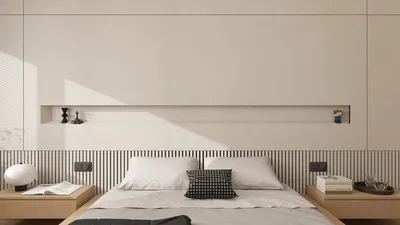


In one of my experiences, a homeowner insisted on having the entire exterior revitalized over a single weekend due to their in-laws arriving that Monday morning. Naturally, I agreed, and that’s when I discovered the incredible advantages of using an exterior house paint sprayer. To help illustrate the color options effectively before any paint was applied, I created a quick 3D render of the house. This straightforward visualization was instrumental in preventing a costly redo, proving that such planning is not just clever; it's essential. Incorporating tools like Homestyler for visualizations can streamline the decision-making process.
Tip 1: Select the appropriate sprayer for your needs
I commonly suggest using an airless sprayer for exterior walls due to its ability to handle thick latex paint and cover large areas efficiently. The main advantage is its incredible speed and uniform coverage, though the trade-off includes more overspray and a bit of a learning curve for achieving even strokes. If you are working with a limited budget, a mid-range sprayer still outperforms rollers over large spaces, but keep in mind to practice first on plywood.
save pin
Tip 2: Ensure thorough preparation — this is where a flawless finish is achieved or lost
I cannot emphasize enough the importance of preparation: pressure wash, scrape off any loose paint, and meticulously mask windows and trims. Good prep work minimizes drip lines and the need for rework, although it does consume time and occasionally requires additional repairs like filling in cracks. For instance, during one bungalow project, thorough preparation extended the timeline by a day but ultimately saved us three weekends of patching later — every minute spent was certainly justified.
save pin
Tip 3: Perfect your spraying technique
I instruct homeowners to adopt a simple rhythm: keep the spray gun steady, overlap passes by about 50%, and maintain a consistent distance. The benefits include a smooth, professional-looking finish and significantly quicker coverage. However, changing either speed or distance can lead to ghosting; I've resolved that issue multiple times with a quick test panel alongside a guiding stick.
When organizing access and staging, I often draw a detailed site sketch to outline the locations of ladders, drop cloths, and paint lines. This not only minimizes disorder when the sprayer is in action, but it also enhances communication between my team and the homeowners.
save pin
Tip 4: Manage overspray and safeguard your surroundings
Overspray is a significant challenge when spraying exteriors — plants, cars, and windows can all be adversely affected. I utilize wind checks, low-pressure nozzles when feasible, and quick-acting masking tape for fragile trims. While this approach adds to the preparation time and sometimes requires extra materials, it prevents conflicts with neighbors and avoids extensive cleanup.
save pin
Tip 5: Conclude with effective maintenance and a color strategy
Choose high-quality exterior paint, and consider applying a second lighter coat instead of one heavy application — this typically yields a better appearance and extends durability. I also recommend that homeowners keep a record of colors and formulations; I occasionally use AI color suggestions to explore complementary trim shades before finalizing decisions. Utilizing options like Homestyler can be invaluable in escaping any potential color mismatches, such as when I once helped a client avoid a clashing cedar door.
save pin
FAQ
Q1: What is the most suitable sprayer for exterior house painting?
A: I primarily use an airless sprayer for most exterior jobs because it efficiently handles thick latex paints and quickly covers larger surfaces. While HVLP sprayers can be effective for trim work, they are slower for larger facades.
Q2: How can I prevent overspray when using a sprayer outdoors?
A: To minimize overspray, choose calm days for spraying, utilize wind checks, apply lower pressure with wider passes, and ensure everything in proximity is properly masked. Double protection with drop cloths and screening for plants and windows is advisable.
Q3: What level of prep work is essential before spraying an exterior?
A: Be prepared for pressure washing, scraping loose paint, filling in cracks, and masking; on average, preparation can take as long as the spraying itself. Skipping this vital step can jeopardize adhesion and lead to premature failures.
Q4: Is it safe to spray near landscaping without causing damage?
A: You can minimize damage by covering the plants with breathable fabrics and wetting them beforehand to catch any falling paint; however, delicate shrubs might still require temporary relocation. I frequently use plywood shields for additional protection against wind.
Q5: How do I select the appropriate nozzle size and pressure?
A: Match the nozzle size with the paint viscosity and desired flow — manufacturers provide charts that I reference, and it’s wise to start low with test passes. Creating a test panel helps you fine-tune the settings before painting the facade.
Q6: Is spraying safe if the house has old lead paint?
A: No — homes built before 1978 need to adhere to EPA lead-safe work practices under the Renovation, Repair and Painting (RRP) Rule (see https://www.epa.gov/lead/lead-renovation-repair-and-painting-program). Only certified professionals should handle lead paint disturbances.
Q7: How frequently should the exterior paint applied by a sprayer be maintained?
A: With high-quality paint and adequate prep work, expect to enjoy 5 to 10 years before major maintenance is required; conducting annual checks for blistering and caulking can extend longevity. Touch-ups are simpler when you’ve documented the precise paint formula.
Q8: Do sprayers provide long-term cost savings?
A: They significantly save on labor time on expansive surfaces, which translates to cost savings if you value your time or hire crews. Despite the initial equipment and prep costs, the efficiency gained during whole-house applications often justifies the investment.
save pin
Discover the joy of home design with Homestyler! This user-friendly online platform offers a powerful design tool, stunning 3D renderings, and a wealth of inspiring design projects. Plus, you can learn through engaging DIY video tutorials. Bring your vision to life effortlessly!
Progetta ora GRATIS
































