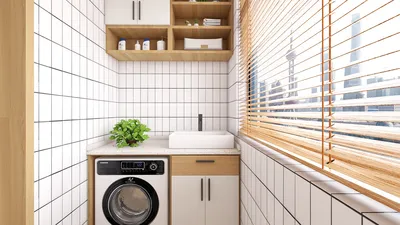


In the past, I tried painting an accent wall with what I believed to be a subtle sand texture, only for my client to waltz in and express that it looked ‘like a beach after a storm’—a clear reminder that texture can convey different messages in person. To avoid such unforeseen surprises, I advise clients to visualize their choices in 3D using Homestyler before committing to any design vision.
1. Venetian plaster for understated elegance
I truly appreciate Venetian plaster in intimate living spaces as it softly reflects light, exuding an air of elegance without being overly ostentatious. This durable finish can disguise minor wall flaws but requires a skilled application to prevent any streaking, making it a bit pricier than other options.
save pin
2. Rag-rolling for a warm, layered appearance
Rag-rolling has become one of my favorite techniques when clients are after a cozy, lived-in ambiance but wish to avoid extensive renovations. It’s cost-effective, and you can easily adjust the contrast levels; however, prepare for some practice—while mistakes can be rectified, they often consume time.
save pin
3. Stippled paint for nuanced depth
Stippling introduces texture that looks fantastic behind shelving or on a media wall; it has the added benefit of concealing fingerprints and minor blemishes—ideal for busy families. I often suggest using stipple in dining areas and even on textured kitchen backsplashes—consider those kitchen nooks where paint serves as both style and protective feature.
save pin
4. Geometric texture panels for contemporary flair
Incorporating lightweight textured panels with geometric designs can dramatically transform an entryway or compact bedroom without the need for complete re-plastering. They create engaging shadows and a sense of drama, but be mindful of the cost per panel and plan for touch-ups where sections intersect.
save pin
5. DIY micro-texture with paint additives
My favorite budget-friendly project involves blending fine sand or texture additives into paint, yielding an unexpectedly chic grit for an entry wall. It’s a delightful weekend endeavor that’s easy to personalize; for those in need of material recommendations, consider tools like Homestyler which provide AI-assisted material suggestions for streamlined decision-making.
save pin
FAQ
Q1: What exactly are textured painted walls?
Textured painted walls result from combining paint with various application methods or additives to create tactile surfaces. These styles can vary from subtle sandy effects to striking plaster finishes, effectively concealing imperfections while enhancing depth.
Q2: Are textured walls a good fit for small areas?
Absolutely—when executed carefully, texture can add depth and intrigue without making a space feel smaller. I typically choose low-contrast textures and lighter shades to maintain an airy feel.
Q3: What’s the best way to clean textured painted surfaces?
Most textured paints can be dusted or gently wiped down with a damp cloth; avoid using abrasive materials. Sealed plaster is more washable, whereas raw textures may require gentler maintenance.
Q4: Is it possible to apply texture over wallpaper?
While it’s feasible, it’s not generally recommended; optimal results are achieved by applying texture directly to a stable, primed surface. I advise removing wallpaper first to guarantee good adhesion and longevity.
Q5: Which paint finish complements texture best?
Matte or eggshell finishes tend to accentuate texture without causing glare, whereas satin can bring out sheen and depth. I select finishes based on lighting conditions—opting for matte in softly lit rooms and satin where subtle reflections are appealing.
Q6: What are the costs associated with textured wall work?
Costs can vary significantly: DIY additive mixes tend to be quite economical, while Venetian plaster or custom panels will be more expensive due to labor. Expect a wide range of prices depending on chosen materials and the complexity of the finish.
Q7: Will textured walls hold up in high-traffic areas?
Many textured finishes enhance durability and obscure wear, though some delicate options (like thin glazes) may require more maintenance. For hallways and kitchens, I prefer sealed, washable textures.
Q8: Where can I find reliable guidance on application?
For expert recommendations on paint types and preparation techniques, resources like Sherwin-Williams provide thorough instructions (refer to: https://www.sherwin-williams.com). I also suggest testing samples on-site before committing to an entire wall.
save pin
Homestyler is your go-to online platform for effortless home design. With its user-friendly design tool and stunning 3D renderings, you can explore a wealth of interior projects and watch DIY video tutorials. Transform your space and unleash your creativity today!
Zaprojektuj teraz za darmo
































