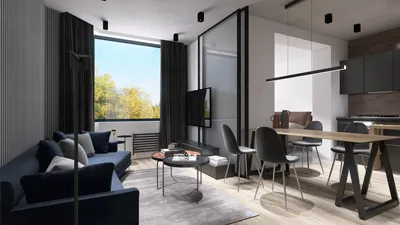


A client of mine once requested a pantry door that effectively concealed chocolate from teenagers — believe it or not, this was their actual brief. This amusing design dilemma transformed into an intriguing challenge, highlighting how a mere door can significantly alter a kitchen's ambiance. For concrete illustrations, take a look at this kitchen layout planning case that showcases effective use of space.
1. Sliding Barn Door — A Blend of Rustic and Modern Charm
Sliding barn doors introduce a unique character while conserving floor space. They are perfect for making a bold statement, although it's essential to install a robust header and maintain the track occasionally to ensure smooth operation.
2. Pocket Door — The Space-Saving Hero
Pocket doors elegantly disappear into the wall, enhancing the flow in narrow kitchen areas. Though they require a larger budget due to framing complications and aren’t compatible with every load-bearing wall, they often prove beneficial for compact galley kitchens.
save pin
3. Frosted or Glazed Door — Allows Light Without the Clutter
Frosted or glazed doors permit natural light into the pantry while cleverly hiding disarray. I once integrated a frosted glass door in a small condo, which made the kitchen appear more spacious, but it also meant frequent cleaning around the handle and frame became necessary.
save pin
4. Chalkboard or Magnetic Door — Fun and Functional
Transforming the pantry door into a chalkboard or magnetic surface offers practical benefits: it can hold grocery lists, children’s notes, and even a space for testing recipes. This cost-effective method injects a playful element into the kitchen, though it may not suit the preferences of those who prefer minimalism due to potential chalk dust or magnet clutter.
save pin
5. Mirrored or Reflective Door — Enhancing Light and Depth
A mirrored pantry door reflects light and creates an illusion of depth, making it ideal for smaller kitchens. If you’re exploring ways to incorporate visual elements in your design, consider checking out this 3D floor plan example to imagine how reflections and sightlines will work together; just remember that mirrors can quickly show fingerprints.
save pin
FAQ
Q1: Which pantry door is best for saving space?
A1: Both sliding and pocket doors are excellent space savers, particularly beneficial for compact kitchens. Sliding doors are generally more affordable and simpler to retrofit, while pocket doors utilize wall cavity space and require upfront planning.
Q2: Are glass pantry doors practical for households with children?
A2: Frosted or textured glass offers a balanced solution — it allows light in while obscuring full visibility of any mess. Tempered glass is the safest option and is significantly more resilient for family homes.
Q3: What is the cost of replacing a standard pantry door?
A3: Costs can vary greatly: a basic hollow core door replacement might be under $200, while sliding or barn doors can range from $300 to $1,500, and pocket doors or customized glazed models can exceed $2,000, including framing and hardware.
Q4: Is it possible to childproof a pantry door?
A4: Absolutely — using discreet magnetic or latch-style child locks can be very effective. For active families, placing the lock higher or employing self-closing hinges can enhance safety without compromising aesthetics.
Q5: Do pantry doors require ventilation?
A5: If you plan to store fresh produce, incorporating light ventilation is advisable to prevent moisture accumulation. Solutions like simple perforated panels or a small vent positioned at the top can enhance airflow while maintaining visual appeal.
Q6: What door finishes are best for concealing fingerprints and grease?
A6: Matte or textured finishes are better at concealing smudges compared to glossy surfaces; darker hues can hide wear effectively, while patterned or distressed finishes can lower maintenance stress.
Q7: How can I ensure a pantry door does not disrupt sightlines?
A7: It’s important to consider reflections and approach angles — mirrored doors can enhance sightlines, and glazed doors should harmonize with adjacent cabinets for a cohesive look. Using effective 3D models, like a 3D floor plan example, can help visualize how the door is perceived from various angles in the kitchen.
Q8: Are there established standards for kitchen clearances?
A8: Indeed, organizations such as the National Kitchen & Bath Association (NKBA) provide guidelines for kitchen clearances (for instance, 42" for single-cook kitchens and 48" for dual-cook kitchens) to ensure comfortable movement; details can be found on the NKBA website: https://nkba.org.
save pin
Looking to transform your home? Homestyler is your go-to online design platform! With its user-friendly design tool, stunning 3D renderings, and a wealth of DIY video tutorials, you can effortlessly create and visualize your dream space. Start designing today!
立即免费设计
































