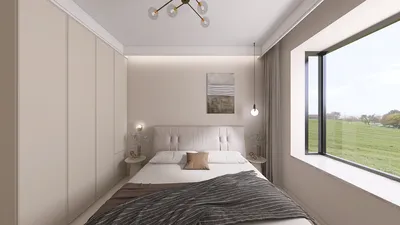


During one of my painting adventures, I transformed an entire living room with a beautiful grey hue I had chosen from the swatch shop. To my surprise, under my new lamp, the color shifted to a purple tone. This taught me an important lesson: the impact of lighting and color undertones can sometimes lead to unexpected results. To prevent such surprises in your home, consider utilizing a visualization tool, like Homestyler, to see how different lighting affects your chosen colors before committing to a full gallon.
1. Soft Warm Grey (the cozy neutral)
I absolutely adore the soothing vibe of Benjamin Moore’s Revere Pewter for a living room that strikes a balance between warmth and comfort. Warm greys, with hints of beige or green undertones, create an inviting atmosphere and blend beautifully with natural wood elements. This design choice is perfect for achieving a lived-in appearance without the heaviness often associated with taupe. However, if you prefer a more crisp modern look, be mindful that this warmth may appear muddled against certain furnishings—always test with larger samples near the primary light source.
save pin
2. Crisp Light Grey (bright and modern)
For smaller or north-facing spaces, I frequently suggest opting for a cool light grey—like Sherwin-Williams Light French Gray—which provides a fresh and spacious feel. This color pairs well with white trims and high-contrast decorations, but be cautious of blue undertones that may create a stark atmosphere in dim light; incorporating warmer accents, such as brass or wood, can remedy this immediately. Also, keep in mind that investing in premium paint with high pigment content can cover flaws in fewer coats, ultimately saving you both time and effort.
save pin
3. Mid-Tone Greige (balanced and versatile)
Mid-tone greiges are my preferred choice for open-plan designs as they seamlessly connect living and kitchen areas without stark contrasts. This option is particularly effective for maintaining continuity with adjacent spaces—such as a dining nook or kitchen—allowing for a harmonious appearance while effectively masking minor scuffs better than paler greys do. To visualize how shared areas might look together, tools like Homestyler can provide insights into how your chosen colors will interact with cabinets and counter spaces.
save pin
4. Deep Charcoal (dramatic and luxe)
When a client requested a cinematic ambiance, I recommended applying a deep charcoal on a single accent wall, which transformed the room into an intentional and plush environment. Dark greys have the ability to absorb light and enhance depth, making them ideal if your space benefits from ample natural light or if you wish to accentuate metallics and colorful artwork. However, keep in mind that these shades can show dust more easily and necessitate thoughtful trim selection; balance this dramatic hue with lighter fabrics and layered lighting, to avoid creating a cavernous effect.
save pin
5. Greys with Green Undertones (calming and natural)
Greys infused with green undertones evoke sophistication and mesh beautifully with greenery and outdoor views—my top recommendation for urban apartments longing for a touch of nature. These shades can surprisingly adapt to various lighting conditions: they appear fresh in bright sunlight but take on a muted elegance in softer light. If uncertain, sample the paint at different times of day or utilize an AI-driven visualization tool, like those provided by Homestyler, to gauge how the undertones complement your furnishings and fixtures.
save pin
FAQ
Q1: What's the ideal grey for a compact living room?
A: Opt for a light grey with warm undertones to avoid an overly cold and confined ambiance. Always test samples on various walls and observe them at night under your main lighting.
Q2: How do undertones influence grey paint?
A: Undertones like blue, green, or brown can significantly affect how grey appears in different lighting; it’s essential to compare swatches in both natural and artificial light before making a final choice.
Q3: Can using grey make a room feel smaller?
A: Very dark greys may create a cozier atmosphere that feels smaller, while lighter greys help reflect light and give the illusion of a more expansive space.
Q4: Should trims be white in rooms with grey walls?
A: Crisp white trims offer a stunning contrast with most greys, although slightly warmer off-whites might soften the look if your grey features warm undertones.
Q5: How many paint samples should I test?
A: I recommend trying at least three larger samples on different walls and evaluating them at various times of day; smaller swatches often fail to accurately reveal undertones.
Q6: Are there any recommended brands for quality grey paints?
A: Brands like Sherwin-Williams and Benjamin Moore offer extensive grey palettes backed by excellent coverage; Sherwin-Williams also provides helpful color tools and guidance on undertones (visit: https://www.sherwin-williams.com/homeowners/color).
Q7: How should I coordinate furniture with grey walls?
A: Create contrast by pairing lighter greys with darker furnishings or vice versa, and introduce textures through rugs, throws, and cushions to maintain a layered and inviting atmosphere.
Q8: Is it possible to use the same grey throughout an open-plan space?
A: Absolutely! A consistent grey throughout your areas ties everything together cohesively; consider varying the saturation or adding accent walls and different textiles to define the functions without disrupting harmony.
Discover the magic of home design with Homestyler! This user-friendly platform offers a powerful online design tool, stunning 3D renderings, and an array of DIY video tutorials. Whether you're a beginner or a seasoned designer, Homestyler makes it easy to bring your creative vision to life!
지금 무료로 디자인하세요
































