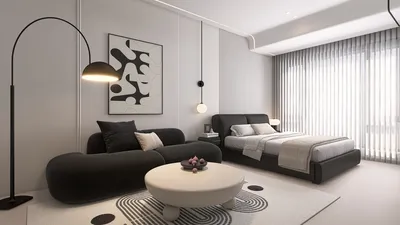


In one of my past projects, a client insisted on having 'invisible' chairs to create an airy feel in their small dining nook. Instead of suggesting ghost furniture, I discovered smarter design tricks. Small spaces require innovative thinking, and sometimes a folding chair or a bench can be just the solution you need. For those quick layout ideas, I often recommend sketching a simple floor plan that allows for experimenting with different chair arrangements without the hassle of moving heavy furniture around.
1. Sleek armless chairs
I find slim armless chairs to be a fantastic choice since they can easily slide under the table, freeing up visual space. These chairs are lightweight, generally more affordable, and help a compact dining set feel less crammed. However, they might not be as cushioned for lengthy meals, so consider adding a seat pad if comfort is important.
save pin
2. Folding and stackable chairs
Folding chairs are a quintessential solution for small spaces, only set up for guests and tucked away otherwise. Stackable versions are slightly more refined and can help save on storage space, but do remember to allocate a neat area for them — stacking them in a corner can look untidy unless you use a storage basket or cover them appropriately.
save pin
3. Bench and banquette seating
Benches fit snugly against walls and slide under tables more efficiently than traditional chairs, allowing for more seating in a linear space. I once transformed a setup by substituting four bulky chairs with a built-in banquette, which not only saved space but also enabled the addition of a narrow console. When figuring out how a bench integrates with cabinets, I often refer to kitchen layout ideas to maintain a good balance of clearance and movement.
save pin
4. Versatile stools and ottomans
Stools and compact ottomans serve dual purposes as side tables or extra seating in other rooms, making them ideal for tiny homes. While they may not be the comfiest for extended periods, their flexibility is invaluable. A useful tip is to select a set with varying heights for easy storage under different table types.
save pin
5. Transparent and lightweight chairs
Chairs made from acrylic or thin metal frames effectively vanish visually, maintaining clear sightlines; they can make a cramped dining corner feel more expansive without sacrificing functionality. I frequently create a quick 3D model of the area to see how transparent furniture influences the perception of space before making a purchase. Just keep in mind that clear chairs may require more frequent cleaning to remove smudges, balancing maintenance with their aesthetic appeal.
save pin
FAQ
Q1: What chair types are best for very small dining areas?
I usually suggest slim armless chairs, folding options, or benches — they combine functionality with space-saving benefits. Your choice will depend on how often you entertain and the storage space available.
Q2: What clearance is needed behind chairs?
To ensure comfortable seating, allow approximately 18 inches (46 cm) from the back of the chair to a wall, and around 36 inches (91 cm) for passage behind a chair when it is pulled out; adjust if the space is limited.
Q3: Are transparent chairs a practical option?
Yes — they enhance the visual space in a room and are perfect for tight areas, though they can show fingerprints easily and often come at a higher price for quality acrylic samples.
Q4: Can benches serve dual purposes in a combined living/dining area?
Absolutely. Benches can slide under tables and act as extra seating for the living space, although they might not be the most comfortable option for individuals who prefer the support of individual backs.
Q5: What’s a cost-effective small-space chair approach?
Combine a few higher-end chairs with affordable folding ones or stools — this way, the primary seating feels special while the alternatives are functional without straining your budget.
Q6: How do I measure to ensure chairs will fit?
Measure the table overhang, the seat height, and the distance from the table edge to the wall; always conduct a test with a mock-up or outline in tape before purchasing actual pieces.
Q7: Are there any safety or ergonomic tips for small dining chairs?
Ensure that the seat height aligns with your table (standard dining heights range from 28–30 inches); always check for stable legs and non-slip feet to prevent accidents in confined spaces.
Q8: Where can I find professional guidelines on spacing?
For industry standards regarding kitchen and dining clearances, consult the National Kitchen & Bath Association (NKBA) guidelines at (https://nkba.org/), which provide thorough recommendations on layout and spacing.
save pin
Looking to transform your space? Homestyler offers a user-friendly online design tool that makes home design a breeze. With stunning 3D renderings, a plethora of design projects, and helpful video tutorials, you’ll find the inspiration and guidance you need to create your dream home!
Design Now for FREE
































