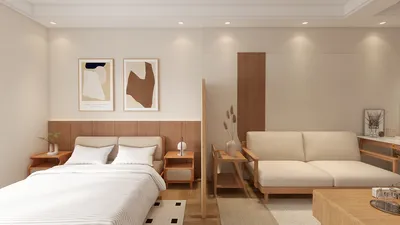


I once outfitted a compact studio with a king-size bed because the client insisted it would create a "cozy" atmosphere, but we nearly blocked the wardrobe door—lesson learned the hard way. This experience drove me to focus intensively on efficient space solutions, and I now maintain a collection of innovative storage ideas that I share with clients and colleagues for quick inspiration. If you're searching for the ideal bed frame for a small room, here are five top strategies I frequently recommend, along with insights on where small adjustments can lead to significant benefits.
1. Platform bed with built-in drawers
I have a profound appreciation for platform beds that include built-in drawers, as these cleverly convert otherwise wasted space under the bed into useful storage—whether for clothing, linens, or shoes. Although they tend to be heavier and generally come with a higher price tag compared to standard frames, they offer the advantage of reducing the need for additional furniture and simplifying cleaning routines.
Quick tip: Always measure the height of the mattress alongside the drawer clearance to prevent any mishaps where the drawers might obstruct the mattress when closed. For visual inspiration, I often reference detailed space planning examples, demonstrating how much floor space we can recover.
save pin
2. Murphy bed that folds into a cabinet
In rooms that need to function as both a bedroom and an office, Murphy beds are a game changer—offering a desk by day and a bed by night. The technology has evolved remarkably: these beds are now smoother, safer, and exhibit a stylish appearance. You should anticipate a higher initial investment and ensure you have a strong wall for installation, but the payoff is a substantial increase in usable living space.
If you’re a renter, it's crucial to confirm with your landlord first, as some models require reinforcement or specific permissions for installation. For instance, I learned to consider ventilation gaps when I installed a wall bed above a slim radiator, ensuring that heating could still function effectively.
save pin
3. Loft bed with workspace underneath
A loft bed elevates the mattress, creating a unique apartment-like space: sleeping area above, living area below. This setup is perfect for teens, creatives, or anyone needing a dedicated desk or cozy nook with limited space. The downsides include the need for sufficient ceiling height and accessibility issues—this may not be suitable for older adults or those with mobility challenges.
To assist clients in making a decision, I often illustrate the layout and provide a 3D visualization using tools like Homestyler, allowing them to grasp how the loft bed impacts sightlines and natural light throughout the space.
save pin
4. Slim metal frame with storage-friendly clearance
Sometimes the simplest approach is the most effective: a slim-profile metal frame keeps the ambiance light while permitting the storage of bins underneath. Such frames are lightweight and budget-friendly, making seasonal rearrangements easy. However, unlike platform beds, they won’t provide built-in bulk storage, so investing in quality storage boxes or organizers is essential.
I suggest choosing a frame that offers at least 25–30 cm of clearance for under-bed storage and considering the overall aesthetic—metal frames pair exceptionally well with minimalist or industrial designs, minimizing visual clutter.
save pin
5. Built-in daybed or custom recessed frame
For clients desiring a permanent and bespoke feel, I recommend opting for a built-in daybed or a recessed niche bed. This design can incorporate drawers, open shelving, and even a pull-out guest trundle. Although this typically involves higher costs and time for construction, it provides a customized solution that maximizes every square centimeter.
Before commencing construction, I conduct a thorough room layout discussion with homeowners to agree upon proportions, lighting, and finishes. Investing in quality craftsmanship pays off in terms of durability and future resale value.
save pin
FAQ
Q1: What is the best bed frame for a very small room?
I typically recommend either a Murphy bed or a platform bed with drawers—Murphy beds clear daytime floor space while platform beds with drawers decrease the need for extra furnishings. Consider your budget and whether you own or rent before making a decision.
Q2: Are loft beds safe for adults?
Loft beds can indeed be safe for adults if constructed according to code and equipped with proper ladder or staircase access and guard rails. Ensure that the ceiling height is at least 90–110 cm above the mattress surface for comfortable sitting.
Q3: What clearance is needed under a bed for storage?
I recommend a minimum clearance of 25–30 cm for practical storage boxes; a deeper clearance allows for larger containers. Always measure including the mattress plus base to prevent unexpected obstacles.
Q4: Do built-in beds increase a home's value?
Custom built-ins can enhance perceived value if executed well and aligned with market demands—focus on durable construction and neutral finishes. Avoid overly personal touches that might restrict buyer interest.
Q5: Can I install a Murphy bed in a rental?
Many landlords permit non-permanent or reversible options, but full wall-mounted installations might require explicit approval. Look into free-standing wall bed alternatives or consult your landlord regarding professional installation agreements.
Q6: What type of mattress pairs best with slim frames?
Low-profile foam or hybrid mattresses (20–25 cm) complement slim frames nicely, ensuring proportions remain balanced. Always check the manufacturer’s guidelines for weight limits to uphold the longevity of the frame.
Q7: How do I choose between storage drawers and under-bed boxes?
Drawers offer a tidier, integrated appearance and easier access, whereas boxes are generally more affordable and adaptable. If you relocate frequently, boxes are preferable; for a polished, built-in aesthetic, opt for drawers.
Q8: Any expert advice on mattress support and sleep surface?
Absolutely—mattress support is closely linked to sleep quality. The National Sleep Foundation advises selecting a mattress that supports spinal alignment and matches your habitual sleeping position (see sleepfoundation.org for additional details). Proper frame support prevents premature mattress sagging.
save pin
Discover your dream space with Homestyler! This user-friendly online design platform offers an intuitive design tool, stunning 3D renderings, and a wealth of design projects and DIY video tutorials. Perfect for anyone looking to transform their home effortlessly!
Desain sekarang Gratis
































