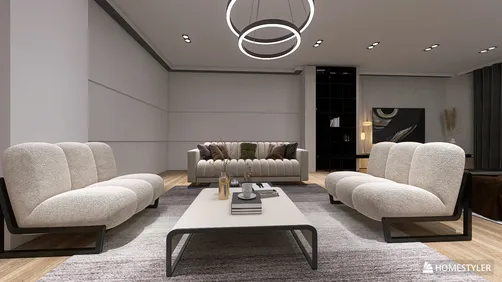



For more than ten years, I have dedicated myself to crafting living room designs where the sofa is the centerpiece of ambiance, interaction, and social dynamics. As we move into 2024, the leading sofa trends prioritize sculptural comfort, flexible configurations, and eco-friendly materials, all while maintaining visual coherence and ergonomic support. A thoughtfully selected sofa can visually expand a room by enhancing sightlines and ensuring easy movement around the space.
When it comes to comfort, relying on intuition isn't enough. Research from Steelcase indicates that consistent lumbar support and correct seat depth are crucial in minimizing physical strain and enhancing satisfaction in shared spaces. For living areas, I target a seat height between 16 and 18 inches to facilitate smooth transitions between standing and sitting, and a depth of 20 to 22 inches to accommodate various lounging styles. Furthermore, the WELL v2 standard emphasizes the importance of lighting control and balanced illumination for relaxation. By combining warm ambient lighting, around 2700 to 3000K, with low-reflectance fabrics, we can prevent eye strain while improving texture visibility (Steelcase Research; WELL v2).
Proportion is essential in design. Studies from Herman Miller reveal that maintaining clear pathways—ideally 36 inches wide—enhances flow and minimizes collisions in multi-user environments. I apply this principle in living rooms by ensuring the sofa’s edges do not block traffic. When creating layouts for sectional or multi-piece sofa setups, tools that simulate interior layouts can help visualize interaction zones for side tables, ottomans, and media units before finalizing any arrangement. Consider using a digital interior layout planner like Homestyler for testing configurations and sightlines.
Top Sofa Trends for 2024
• Sculpted modular sectionals: These low-profile pieces with soft curves allow you to rearrange seating for movie nights, reading spaces, or larger gatherings. I particularly appreciate corner modules with rounded backs, which enhance safety during movement and create a gentle flow visually.
• Slim-armed tuxedo designs: The structured arms align with the back, offering a chic look perfect for contemporary apartments; combining with textured bouclé prevents a monotonous, overly formal appearance.
• Deep lounge sofas with lumbar support: A seat depth of 22 inches can be sumptuous; incorporating removable lumbar rolls keeps posture aligned during extended use.
• Mixed-material bases: Utilizing powder-coated steel or stained ash frames contributes to a visually lighter effect, revealing more floor space and enhancing the sense of openness.
• Eco-friendly upholstery: Fabrics made from recycled polyester blends and FSC-certified materials are becoming mainstream; I prioritize performance fabrics rated for over 30,000 double rubs for longevity while minimizing VOC emissions.
Selecting the Right Arrangement
Choosing between a sectional or a combination of a sofa and loveseat is influenced by the room's shape and social dynamics. In rectangular spaces, an L-shaped sectional can create a clear conversational focal point, while in square rooms, two sofas facing each other with a 16 to 18-inch coffee table clearance can achieve both symmetry and accessibility. If you'll be hosting often, make sure there are at least 8 to 10 places to sit; stools or ottomans should be within 24 to 30 inches of any seating area.
Human Factors and Ergonomics
The concept of comfort is fluid across different postures. I focus on:
• Seat height: From 16 to 18 inches, this range suits most individuals and aligns perfectly with coffee tables that are 17 to 19 inches high.
• Back angle: An angle between 100 and 110 degrees allows for lounge-like comfort without promoting slouching.
• Armrest height: Keeping armrests at 6 to 8 inches above the seat helps maintain relaxed shoulders; slim arms also prevent a cramped feel.
• Cushion composition: A multi-layer structure featuring high-resilience foam over pocket-spring or webbing helps maintain comfort without sagging.
Lighting, Color, and Aesthetic Harmony
Lighting plays a critical role in shaping the perception of fabric and form. I utilize warm ambient lighting (2700 to 3000K) with a Color Rendering Index (CRI) of at least 90 to ensure colors are represented accurately; side lighting is effective in minimizing shadows on textured fabrics. In terms of color choices, neutral bases like oatmeal, taupe, or soft gray help alleviate mental strain, whereas accent cushions in deep teal or rust inject energy without being overwhelming. Effective glare control—through matte finishes and low-sheen leathers—prevents reflections on screens and glossy furniture.
Choosing Materials and Committing to Sustainability
Durability should be quantifiable. Performance fabrics with stain resistance, removable coverings, and reinforced seams provide longevity. Solid wood frames with corner blocking are essential to prevent warping in modular designs. Whenever possible, opt for low-emission adhesives and water-based finishes. For households with pets, tightly woven synthetic materials resist damage; in hotter climates, linen blends are better due to breathability, although they may require more frequent maintenance to remove creases.
Spatial Proportions and Layout Rhythm
Proper ratios bring a sense of tranquility. I recommend a 2:3 ratio for the sofa-to-rug balance, ensuring the rug frames the seating area without overwhelming the room. In smaller spaces, position the sofa 4 to 6 inches from the wall to enhance air circulation and aesthetic depth. Achieving balance in design elements is key: a heavy sectional should be paired with lighter side tables—think slim metal legs or glass tops—to keep the overall composition feeling open. Tools like Homestyler's room design visualization feature can help you evaluate rug dimensions, walkway spaces, and focal sightlines.
Enhancing Acoustic Comfort
Soft furniture can absorb mid to high-frequency sounds, but large windows and hard flooring may create echoes. Adding layered drapes, a substantial rug (at least 0.5 inch pile), and upholstered ottomans can significantly dampen reflections. Bookshelves with varying depths can disrupt echo patterns while providing additional storage for throws and remote controls.
Effective Styling: Cushions, Throws, and Tables
Limit cushion variations to two sizes—such as 20-inch squares and 14x20-inch lumbar shapes—and mix textures like bouclé, linen, and velvet within a curated color palette. For clearances, maintain 16 to 18 inches above coffee tables, with side tables sitting 1 to 2 inches lower than arm height for comfortable reach. Incorporating a sculptural floor lamp behind a corner piece can add vertical interest and define the sitting area.
Popular Room Types and Ideal Sofa Selections
• Small urban living rooms: Opt for a slim-arm three-seater combined with a swivel chair; an open base helps to show off the flooring.
• Family media areas: Choose a deep L-shaped sectional with a chaise; look for performance fabrics that are easy to clean and feature removable covers.
• Formal sitting rooms: Utilize two coordinating tuxedo sofas facing each other; tight-back upholstering creates sleek lines.
• Multipurpose studios: A compact modular set that includes ottoman pieces can double as a coffee table with decorative trays.
Budget and Quality Considerations
Assess frame stability by lifting one front corner approximately 3 to 4 inches; if the opposite leg remains grounded, the frame can suffer from instability. Sit close to the armrest and listen for creaks or flexibility. Check cushion recovery time; if the cushion takes longer than 10 seconds to regain shape after standing, it likely contains low-resilience foam. Inquire about the fabric's rub count and details about seam reinforcements.
Frequently Asked Questions
Q1: What is the best seat depth for a combination of lounging and conversation?
A1: A depth of 20 to 22 inches is ideal for most households; adding lumbar cushions helps maintain good posture during longer periods of use.
Q2: What width should circulation paths around a sofa be?
A2: Aim for 36 inches in main circulation routes and at least 24 inches in secondary pathways to prevent congestion.
Q3: Are curved sofas merely a trend or are they practical?
A3: Curved backs help ease movement and enhance flow in tighter spaces. They can be very functional when paired with a round or oval coffee table to maintain appropriate clearances.
Q4: Which fabrics are recommended for homes with children or pets?
A4: Look for performance polyester blends featuring tight weaves, stain resistance, and removable covers; lightweight slub linens are best avoided due to their tendency to snag easily.
Q5: What type of lighting is most flattering for sofa fabrics?
A5: Warm ambient lighting at 2700 to 3000K with a CRI of 90 or above preserves color accuracy and fabric texture; dimmers can help transition from work to relaxation modes.
Q6: How much rug area should be placed under a sectional?
A6: The rug should cover about two-thirds of the sofa's footprint, ensuring the front legs rest on the rug to create a cohesive look.
Q7: Is a chaise a worthwhile addition?
A7: If lounging is frequent, a chaise can be beneficial. Just ensure it is located away from doorways and has a clearance of 36 inches along the open side.
Q8: What is the preferred distance between the coffee table and the sofa?
A8: A distance of 16 to 18 inches enables easy access without risking knee bumps during transitions.
Q9: How can I diminish echo in a minimalist living space?
A9: Introducing a thick rug, layered curtains, and upholstered furniture can help; additionally, bookshelves with irregular depths can break up sound reflections.
Q10: Are slim-armed sofas uncomfortable?
A10: Not automatically. As long as the arm height is 6 to 8 inches above the seat and offers adequate cushion support, slim arms can be both stylish and comfortable.
Q11: Can modular sectionals be suitable for small living areas?
A11: Absolutely—select fewer, larger modules to limit seams and keep the base open for a more spacious feel.
Q12: How can I quickly assess the build quality of a sofa in-store?
A12: Lift one front corner slightly; listen for creaks. Sit near the arms and examine the recovery of the cushions. Be sure to ask about the materials used for the frame and details on the construction method.
Homestyler's roots trace back to Autodesk, the global leader in design and engineering software. That heritage lives on in every feature we build. Today, with a community of more than 20+ million registered users (platform data, 2026) worldwide, Homestyler continues to make professional-quality interior design accessible to everyone — from first-time decorators to seasoned architects.
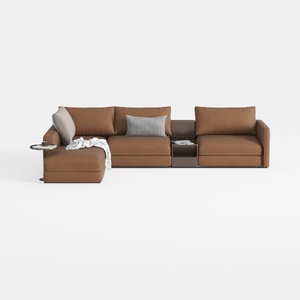

Modern Minimalist Brown Leather L-shaped Sectional Sofa With Side Table 3D Model
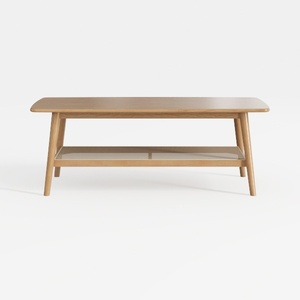
Mid-Century Solid Oak Wood Coffee Table With Lower Glass Shelf 3D Model
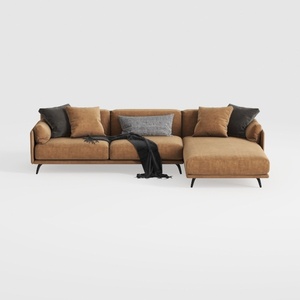
Coaster Home Furnishings - Camacho - Upholstered C
Homestyler is your go-to platform for effortless home design! With its user-friendly online design tool, stunning 3D renderings, and a wealth of inspiring DIY video tutorials, you can easily turn your ideas into reality and elevate your space to new heights.
Projete agora para LIVRE













![[For dear Adelina madee 🤎]](https://hs-designs.homestyler.com/production/design/images/8a07e535-9cbc-4132-a42a-5932dac3a112/1706972286037.jpg?x-oss-process=image/resize,w_502,m_mfit/format,webp)



![[For my dearest Sabrinik 🧡]](https://hs-designs.homestyler.com/production/design/images/3f463715-5ed6-4c49-9346-16d464510aa6/1714085722568.jpg?x-oss-process=image/resize,w_502,m_mfit/format,webp)