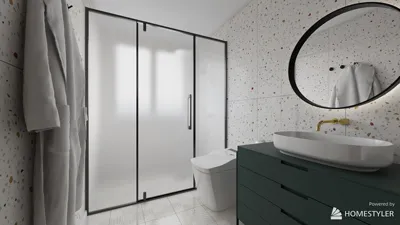


One night, I took to painting my compact home office to create an environment that ‘screams focus yet whispers calm’ — which taught me that color choice is crucial for creating the right atmosphere. Smaller spaces encourage creativity; the limited square footage means that each paint selection significantly impacts perceived depth and light reflection. To visualize ideas swiftly before finalizing decisions, I often utilize Homestyler for 3D home rendering to experiment with how color and light interact.
1. Soft warm neutrals with a single accent wall
For my small office, I typically opt for a delicate warm neutral on three walls, complemented by a richer hue as an accent on one wall. This approach enhances the space while giving a distinct focal point behind the desk, improving video-call backgrounds and adding personality to the room. Additionally, it's budget-friendly and easy to work with, but it’s essential to pick an authentic warm neutral to prevent it from appearing overly yellow under warmer lighting.
save pin
2. Deep jewel tone for the working wall
For a sense of depth and concentration, consider painting the wall behind your workspace with a rich blue-green or emerald shade, which can provide a cocoon-like, focused feel. I've experienced this during a renovation, where the dark tones made shelves and brass hardware visually pop—enhancing productivity as the dark color offered a calming visual retreat. Keep in mind, however, that darker paints may absorb light, necessitating brighter task lighting or lighter furnishings for balance.
save pin
3. Two-tone vertical split for height illusion
By painting the lower third of a wall in a darker shade and the upper two-thirds in a lighter hue, you create an illusion of higher ceilings—ideal for low spaces. I’ve successfully applied this technique with a narrow dado rail or clean tape lines; it’s both affordable and suitable for DIY projects. For more innovative layouts and color combinations, I frequently explore examples from Homestyler that illustrate how various tones work together in diverse furniture arrangements.
save pin
4. Biophilic greens and soft nature-inspired palettes
Incorporating tranquility through biophilic design with gentle sage, muted olive, or warm moss tones creates a calming environment that harmonizes beautifully with indoor plants. In one small study I conducted, introducing green shades along with live plants minimized visual chaos and enhanced the feeling of spaciousness. A potential challenge is ensuring that greys and browns in furnishings don’t clash, so testing paint swatches in the room’s actual light before full application is advised.
save pin
5. Writable wall or chalkboard with a splash of color
For those who prefer a hands-on approach, dedicating a portion of your wall to writable paint (or a dark chalkboard area) adjacent to a bright complementary hue can ignite creativity and facilitate planning. I’ve implemented this in my small freelance workspace—transforming spontaneous ideas from sticky notes into expansive mind maps on the wall. It’s both playful and functional, but be aware that frequent erasing may show wear; therefore, selecting durable and washable finishes while considering surrounding decor as part of your overall office design is crucial.
save pin
FAQ
Q: How do I choose the right paint color for a small home office? Observe how light interacts with the room in both morning and evening and test out large swatches on various walls. Determine the ambiance you desire—whether calm, energized, or neutral—and select shades that align with that vision.
Q: Will dark colors make my small office feel cramped? Dark colors can create a cozy atmosphere rather than making the space feel smaller if complemented with adequate lighting and lighter furniture. Utilize a dark color as an accent or on the wall behind your desk to add dimension without overwhelming the room.
Q: What finish is ideal for a home office wall? I typically recommend an eggshell or satin finish: both are easy to clean and subtly reflect light without emphasizing imperfections. For writable sections, opt for specialized chalkboard or writable paint with a matte finish.
Q: Can paint color influence productivity? Absolutely—color can affect mood and concentration. The American Psychological Association suggests that environmental colors can shape emotional responses and performance, so choose hues that resonate with your work habits (American Psychological Association, 2014).
Q: How many paint samples should I procure? Purchase a minimum of three samples: one neutral, a mid-tone, and a more vibrant accent, then paint 2x2 foot patches in various amounts of light. Live with these samples for several days before making your final decision.
Q: Are there economical methods to refresh my office without a full repaint? Definitely—consider painting a single wall, applying peel-and-stick panels, or revamping trim and doors for a significant yet inexpensive change. New accent pieces and lamps can also alter the perception of color.
Q: Should I seek professional assistance for small office color strategy? If you feel uncertain, a brief consultation can be time-saving and cost-effective. I often provide clients with a tailored palette and mockup to help them avoid costly errors.
Q: Any quick tips for coordinating paint with furniture? Select a color from a rug, piece of art, or fabric as your accent or complementary shade; this approach will help ensure the room feels cohesive and intentional.
save pin
Discover your inner designer with Homestyler! This user-friendly online platform offers a powerful design tool, stunning 3D renderings, and a wealth of inspiring design projects and video tutorials. Transform your home effortlessly, whether you're a novice or a seasoned pro!
立即免费设计
































