

I have experienced the frustration of painting a sitting room the wrong color due to disregarding the evening lighting — the homeowner humorously referred to it as 'mood lighting roulette.' This incident taught me the importance of testing colors and planning layouts ahead of time, leading me to incorporate valuable resources like Homestyler into my design toolkit for better planning.
1. Soft Neutrals with Warm Undertones
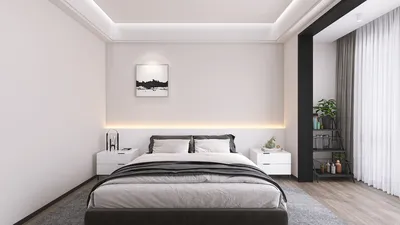
For sitting rooms, I particularly favor warm beiges and creamy greys; they create a spacious and sophisticated atmosphere. These hues complement various furniture pieces and adapt well to natural light, although avoiding a flat appearance requires careful texturing through layered rugs and cushions.
save pin
2. Dramatic Deep Jewel Tones
A bold deep teal or emerald accent wall can add a theatrical flair to a smaller sitting room without overwhelming the space. These colors effectively conceal wear and tear, but to prevent the room from feeling claustrophobic, it’s essential to utilize good lighting and reflective accents such as mirrors and metallic decor.
save pin
3. Calming Muted Greens
Bringing in natural shades like moss or sage creates a serene environment that pairs beautifully with wood and rattan elements. These tones are versatile and calming; the key is to ensure that the undertones harmonize with the lighting — cooler northern exposure suits greyer greens, while warm olive tones are ideal for sunny spaces. To visualize how a color fits into the layout, utilizing a 3D layout tool like Homestyler can be invaluable before purchasing paint.
save pin
4. Inviting Warm Terracotta Accents
Terracotta and cinnamon shades can add warmth to pale sofas and create an inviting focal point within the room. These colors work wonderfully with greenery and brass accents, and they are budget-friendly as a little goes a long way when used thoughtfully as an accent rather than covering the entire room.
save pin
5. Two-Tone Walls for Extra Character
Painting the lower portion of the wall a darker shade while keeping the upper half light can visually elevate the ceilings and introduce more character to the space. This technique not only looks custom-designed but also requires precision when applying the paint. Using tape and taking your time can resolve most challenges. For open-concept layouts, where the sitting area transitions into the kitchen, coordinating color schemes (inspired by a compact kitchen case study) ensures that sightlines remain cohesive.
save pin
FAQ
Q1: What are the most suitable paint colors for a small sitting room?
A: The best options include soft neutrals, muted greens, and singular accent walls in deeper tones. These choices either enlarge the space visually or bring in a controlled amount of drama without being overwhelming.
Q2: How can I determine the right paint undertone?
A: It's advisable to test paint swatches on various walls and observe them under morning, afternoon, and evening lighting. Since undertones can change with different lighting conditions, sampling helps to avoid unexpected surprises.
Q3: Is matte or eggshell finish better for sitting rooms?
A: Eggshell finishes are more forgiving and slightly washable, making them ideal for living areas. Matte finishes excel at concealing imperfections but can be less practical for cleaning.
Q4: What budget should I allocate for quality paint?
A: Mid-range paints tend to offer the best return on investment, as better coverage reduces the number of coats required and lessens labor costs. It’s wise to spend on high-quality paint and economize on rollers and tape instead.
Q5: Is it possible to incorporate bold colors in a small sitting room?
A: Absolutely, you can use bold hues for accent walls, ceilings, or built-ins. The critical factor is achieving balance—pair bold colors with neutrals and reflective surfaces to create harmony.
Q6: How do lighting conditions influence color selection?
A: Rooms with north-facing windows require warmer tones to avoid a cool appearance, while south-facing rooms can accommodate cooler or brighter shades. For reliable guidance, it’s beneficial to follow recommendations from reputable paint manufacturers, including testing samples under various lighting conditions (see expert insights from Sherwin-Williams).
Q7: Should the trim color match the wall color?
A: Using a contrasting color for the trim can highlight architectural features and frame the space, while matching trim provides a seamless and modern look. Consider the overall style of the room when making this choice.
Q8: What quick tips can I follow to minimize painting errors?
A: Always prime if transitioning from dark to light colors, test larger paint swatches, and spend a few days living with samples before making a decision. Small samples are an inexpensive way to protect against costly mistakes in repainting.
Homestyler is your go-to online home design platform! With its user-friendly design tool, stunning 3D renderings, and an abundance of design projects and DIY video tutorials, you can effortlessly create your dream space. Transform your ideas into reality with ease and inspiration!
تصميم الآن مجانا
































