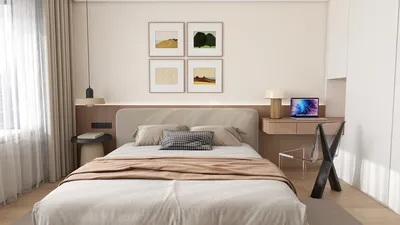


Having dedicated over ten years to redesigning compact apartments and homes, I've observed that silver gray living rooms have surged in popularity in recent times. This color exudes elegance while maintaining warmth, particularly when combined with thoughtful textures and accents. My experience has shown that smaller spaces ignite enhanced creativity, and silver gray serves as an excellent foundation to showcase this belief. In the following paragraphs, I will outline my top 10 design ideas for a silver gray living room, merging practical experience with expert insights, including a look at how tools like Homestyler can assist in visualization.
1. Embracing a Minimalist Silver Gray Palette
My Experience: I once revitalized a 25㎡ studio by painting the walls a soft silver gray. This choice made the entire area feel serene and uncluttered, fostering a sense of peacefulness.
Advantages: This hue enhances the sense of space in smaller living rooms, interacts beautifully with natural light, and boasts timeless charm. *Elle Decoration* (2023) highlighted that neutral gray shades can amplify the perceived dimensions of a room.
Disadvantages: The color can appear flat without a blend of textures and warmer accents.
Recommendation: Pair with white drapes and some matte black elements to introduce depth.
2. Luxurious Velvet Gray Sofas for Opulent Comfort
My Experience: I firmly believe that seating can define a room's character. In one project, a sumptuous silver velvet sofa became the centerpiece of the living area.
Advantages: This choice infuses a sense of luxury, provides cozy seating, and subtly reflects light, ensuring the room maintains a lively ambiance.
Disadvantages: Velvet requires more upkeep, particularly in homes with furry companions.
Inspiration: I drew motivation for this design from an ultra-minimalist silver gray living room engagement.
3. Creating Depth with Layered Textures in Gray Hues
My Experience: By incorporating various fabrics such as wool throws, linen pillows, and a low-pile rug, the silver gray room felt inviting rather than sterile for my client.
Advantages: This approach counters monotony, introducing visual and tactile intrigue. It performs exceptionally well in dimly lit rooms.
Disadvantages: An excess of textures can create a cluttered appearance if not thoughtfully curated.
4. Utilizing Glass Coffee Tables for an Open Feel
My Experience: Incorporating glass in small living rooms is a strategy I love, as it maintains unobstructed views. In one project, a clear oval glass coffee table complemented a silver-patterned rug perfectly.
Advantages: This furniture heightens light flow, ensures the space feels expansive, and showcases your flooring.
Disadvantages: Glass surfaces are prone to showing fingerprints and smudges.
5. Incorporating Charcoal Gray Accent Walls
My Experience: In a client's room, I opted for a charcoal gray accent wall behind the TV, creating a striking contrast with the lighter silver on the surrounding walls, which beautifully anchored the space.
Advantages: This technique adds depth and drama, establishes a focal point, and pairs beautifully with metallic accents.
Disadvantages: It may be too dark in areas with limited natural light.
Tip: Balance the darker tones with vibrant artwork or mirrors to avoid a cave-like atmosphere.
6. Incorporating Metallic Silver Decor
My Experience: I frequently integrate brushed steel lamp bases, metallic vases, and stylish picture frames to scatter light subtly throughout the room.
Advantages: This detail enhances sophistication, avoids overwhelming the space, and adapts well across various design styles from contemporary to traditional.
Disadvantages: Excessive metallics can impart a cold or overly shiny ambiance.
7. Harmonious Gray and Wood Combinations
My Experience: On one occasion, I paired silver gray walls with warm oak shelving, which softened the modern aesthetic remarkably.
Advantages: This mix introduces warmth, texture, and harmony; Scandinavian design often employs this combination for a timeless effect.
Disadvantages: Careful color matching is essential to prevent clashing tones.
For a similar touch, observe how wood elements can infuse warmth into a gray-themed area.
8. Statement Lighting with Chrome Finishes
My Experience: A grand chrome pendant light above the seating area dramatically elevated the designer quality of one of my projects.
Advantages: It serves as functional art, enhances silver tones, and sparks conversation.
Disadvantages: Poor positioning can lead to distracting glare from certain angles.
9. Employing L-Shaped Seating for Enhanced Flow
My Experience: I enjoy using L-shaped sofas in silver gray for small living areas; they maximize seating options without overwhelming the room.
Advantages: This arrangement defines areas within open-plan layouts, enhances lounging comfort, and aligns with the sleek nature of silver gray hues.
Disadvantages: These sofas can be challenging to move or rearrange.
One of my favorite examples features an L-shaped configuration that optimized functional space efficiency.
10. Incorporating Muted Monochrome Artwork
My Experience: Adding black-and-white or grayscale artwork above the sofa harmonizes the overall aesthetic while preserving the calm palette.
Advantages: This unifying element allows silver gray tones to shine, affording numerous customization possibilities.
Disadvantages: In the absence of colorful accents elsewhere, the room may feel overly subdued.
Conclusion
In my perspective, a silver gray living room serves not as a limitation but as a canvas for inventive design. When approached with clever considerations regarding textures, lighting, and accent materials — tools such as Homestyler can provide exceptional visual feedback — even the coziest spaces can be transformed into chic sanctuaries. Gray, as articulated by *Architectural Digest*, remains the quintessential versatile color. Which of these concepts would you like to experiment with in your own home?
FAQ
Q1: Is silver gray a beneficial choice for small living rooms?
A: Certainly! It reflects light and fosters a peaceful, expansive sensation, particularly when complemented by mirrors and glass elements.
Q2: Which colors complement silver gray well?
A: Warm wood tones, soft whites, blush pinks, and deep navy blues all harmonize beautifully with silver gray shades.
Q3: How can I prevent a silver gray room from appearing cold?
A: Incorporate textures like wool, linen, or velvet, and feature warm accent colors through cushions or decor accessories.
Q4: Can metallic accents be used excessively?
A: Absolutely. Keep shiny metallics limited to a few standout pieces for optimal balance.
Q5: Are gray walls still fashionable?
A: Yes, particularly in modern and minimalist designs, as confirmed by 2023 trend reports from *Elle Decoration*.
Q6: What type of lighting suits silver gray living rooms best?
A: Ample natural light paired with warm LED or pendant fixtures helps maintain a cozy environment.
Q7: Should my sofa match the wall color?
A: Not necessarily; varying shades adds depth; for example, lighter silver walls can pair nicely with a darker gray sofa.
Q8: Is it possible to mix silver gray with vibrant colors?
A: Indeed! Bold shades like emerald green, mustard yellow, or vibrant teal make excellent accent choices against a gray backdrop.
Homestyler is your go-to online home design platform, perfect for all skill levels. Its easy-to-use design tool, stunning 3D renderings, and a wealth of design projects and DIY video tutorials empower you to create your dream space effortlessly. Start designing today!
Zaprojektuj teraz za darmo
































