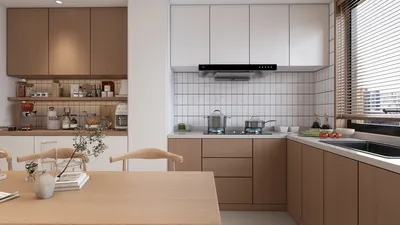


I once transformed an entire dining room using the wrong hue after a client requested a "warm beige" but actually meant "sunset terracotta." We laughed about it, repainted, and realized how color choices can be amplified in smaller spaces. In compact dining areas, cleverness is essential, and that’s where I excel; often, one wall color can set the tone for the entire room. If you wish to explore imaginative alternatives, I frequently begin by sketching diverse layouts to visualize how colors interact with furniture, sometimes utilizing tools like Homestyler.
1. Warm Terracotta for Cozy Evenings
Terracotta creates an intimate and welcoming atmosphere in small dining rooms. I applied it successfully in a narrow urban apartment, combining it with natural wood and rattan elements. The benefit is immediate warmth and character, but it requires careful light management—consider incorporating a large mirror or warm metallic accents to enhance brightness and combat a confined feel.
save pin
2. Soft Sage for Fresh, Light Dining
Sage green conveys a fresh and calming vibe, ideal for a tranquil dining area that remains vibrant. I prefer using it on all walls to cultivate serenity or as an accent behind a buffet; it pairs well with various wood tones, though it may appear cooler in north-facing spaces, so be mindful of using warm lighting.
save pin
3. Moody Navy for Drama and Depth
Navy is my go-to choice when clients desire drama without the heaviness of black—it stabilizes furniture and makes brass or gold hardware stand out. However, overusing navy can make a small room feel cramped, so I recommend combining it with fresh white trim and reflective surfaces for a sense of airiness. To effectively gauge contrast before making decisions, I sometimes have clients visualize their designs in 3D using platforms like Homestyler, which helps avoid repainting mishaps.
save pin
4. High-Contrast Black and White with Texture
A striking black-and-white palette immediately conveys modernity; incorporating texture through woven rugs, plaster walls, or wooden beams can soften the stark contrast. Its timeless quality allows for easy accessorizing, but maintain awareness of upkeep—white can easily show marks, and black emphasizes dust, so opt for durable finishes that stand up to dining use.
save pin
5. Pastel Accent Wall with Bold Trim
For a playful touch in small areas, I enjoy using pastel hues such as powder pink or muted blue for walls coupled with bold trim colors to add architectural interest without significant expense. This approach is both cost-effective and impactful, but ensure precision in trimming; if your dining space is adjacent to the kitchen, contemplate how the colors harmonize to ensure a seamless flow throughout your home.
save pin
FAQ
Q1: What are optimal paint colors for small dining rooms?
A1: Light neutrals, soft greens, and warm terracotta can generally open up a small dining space while maintaining a specific mood. Incorporating an accent color or textured finishes adds personality without overwhelming the area.
Q2: How should I choose a paint finish for my dining room?
A2: Eggshell or satin finishes are ideal as they are durable and moderately reflective; making them suitable for dining areas—they are easier to maintain than flat paints while providing a subtle shine.
Q3: Are dark colors suitable for a tiny dining space?
A3: Absolutely—dark shades like navy or charcoal can work if balanced with good lighting, mirrors, and lighter furnishings to keep the space from feeling enclosed.
Q4: Should the dining room color coordinate with the kitchen?
A4: While exact matching isn’t necessary, coordinating undertones and contrasts can help connect the spaces; consider a common accent color or complementary palettes to achieve cohesiveness.
Q5: How can I test paint colors at home effectively?
A5: Paint large swatches on different walls and observe them in varying light conditions throughout the day. I always suggest living with the samples for at least 48 hours to observe shifts in natural and artificial lighting.
Q6: What colors enhance appetite or create a cozy dining atmosphere?
A6: Warm hues such as terracotta, warm reds, and ochres can stimulate appetite and comfort, while cooler greens and blues foster tranquility; choose based on your desired ambiance.
Q7: Are there established color guidelines I should be aware of?
A7: Yes—resources like the Pantone Color Institute offer seasonal palettes and insights into color trends; check Pantone for expert color guidance (https://www.pantone.com).
Q8: How should I budget for repainting a dining room?
A8: For a single, small dining room, budget for affordable paint and supplies; labor costs may vary by area. I often recommend starting with an accent wall when on a tight budget—it’s an impactful and cost-efficient choice.
save pin
Homestyler is an outstanding online home design platform that empowers you to create stunning spaces effortlessly. With its user-friendly design tool, impressive 3D renderings, and a wealth of DIY video tutorials, you can transform your ideas into reality—perfect for all creativity levels!
Design Now for FREE
































