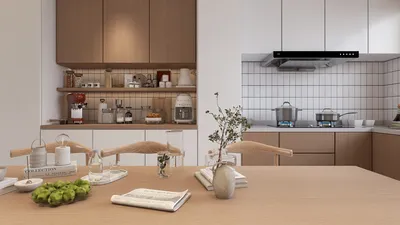



During a recent consultation for a home theater, I encountered a situation where the room was painted a glaring eggshell white. It made me chuckle because the expectation seemed to be that a projector would operate perfectly in such a stark environment. We quickly addressed the issue, and I began drafting an optimal layout to prevent similar scenarios in the future. For rapid visual assessments, I usually create a layout map before evaluating color samples in actual lighting conditions.
1. Deep Navy for Immersive Contrast
Deep navy is a favorite of mine as it provides exceptional contrast for projected visuals while imparting a sense of luxury. This color does a better job of hiding marks compared to a true black and pairs beautifully with warm accents. However, it can create a feeling of reduced ceiling height in shorter rooms, so it’s advisable to include strategic recessed lighting.
save pin
2. Charcoal Gray — Modern and Forgiving
When clients aim for a contemporary cinema atmosphere without opting for full black walls, I often recommend charcoal gray. This hue effectively balances light reflections and is compatible with acoustic paneling. A potential drawback is that mid-tone grays may highlight dust more easily; thus, selecting a washable finish is wise for active households.
save pin
3. Warm Eggplant for Luxe Vibes
Eggplant or deep burgundy offers a soft and theatrical ambiance; it’s a timeless cinema choice that enriches the space while enhancing brass or walnut accent pieces. I frequently visualize it using a 3D floor plan to evaluate how its richness appears in dim light, especially when managing ambient daylight.
save pin
4. Olive Green for Earthy Calm
Olive green unexpectedly shines in this context, mitigating glare more gently than black while also creating a cozy theater environment. It complements leather seating well along with wooden trims, though it may not appeal to purists seeking sharp high-contrast blacks.
save pin
5. Two-Tone: Dark Lower Walls + Lighter Ceiling
Using a dark hue for lower walls along with a slightly lighter ceiling can introduce depth without overwhelming the room—perfect for spaces with modest heights. This technique also simplifies the installation of acoustic treatments along the wall’s lower edge. I sometimes use quick 3D renders to visualize complete schemes, checking sightlines and speaker arrangement.
save pin
Tips 1:
The finish of the paint is just as crucial as the color: matte finishes reduce glare but can be difficult to clean, while eggshell or low-sheen latex is a good compromise. For budget-conscious clients, testing large paint samples on cardboard can provide a clear view of color at night with the projector, avoiding unwelcome surprises. For a swift cinematic preview, a quick 3D render allows for efficient planning without needing a repaint.
save pin
FAQ
Q: What color is best for a small home theater? A: I typically recommend deep navy or charcoal as they enhance contrast without engulfing the space. Maintain a slightly lighter ceiling to keep a sensation of height.
Q: Should theater walls be matte or eggshell? A: Matte finishes minimize reflections on screens, yet eggshell or low-sheen paints are cleaner and continue to reduce glare—ideal for family rooms that serve a dual function.
Q: Will dark walls make my room feel smaller? A: Indeed, very dark shades can contract the visual space, so it’s important to balance them with lighter ceilings, trims, or well-placed lighting for comfort.
Q: How do I test paint before committing? A: Use large swatches or movable poster boards and assess them at various times throughout the day, as well as with the projector turned on, for the most accurate impression.
Q: Can paint color affect acoustics? A: Generally, paint has little impact on acoustics; wall texture and treatments play a more significant role. Incorporating sound-absorbing panels and heavy curtains can lead to substantial acoustic benefits.
Q: Are there recommended paint brands for theater rooms? A: Many professionals rely on manufacturer guidelines; Sherwin-Williams and Benjamin Moore provide technical details on reflectance and finish. Check out Sherwin-Williams’ resources at sherwin-williams.com for precise guidance.
Q: Is black always the best choice for screens? A: Black maximizes contrast, but it can appear harsh. Dark navy or charcoal often strikes a perfect balance between image clarity and overall ambiance.
Q: How important is lighting with paint choice? A: It's vital—adjustable, layered lighting options (like recessed lighting, sconces, and accent lights) empower you to set the mood according to the paint and the media content. Always test colors in your intended lighting scenario.
save pin
What began as an Autodesk innovation has evolved into a design platform used by more than 20+ million registered users (platform data, 2026) around the globe. Homestyler combines powerful rendering, an intuitive editor, and a vast furniture library to help you turn inspiration into photorealistic designs — whether you're redesigning a single room or planning an entire home.
Looking to transform your space? Homestyler is your go-to online home design platform! With an easy-to-use design tool, stunning 3D renderings, and a wealth of inspiring design projects and video tutorials, bringing your dream home to life has never been easier.
지금 무료로 디자인하세요

























![[For dear Adelina madee 🤎]](https://hs-designs.homestyler.com/production/design/images/8a07e535-9cbc-4132-a42a-5932dac3a112/1706972286037.jpg?x-oss-process=image/resize,w_502,m_mfit/format,webp)