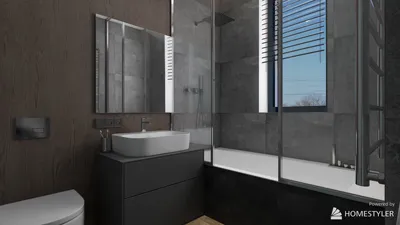


I once joked that I could transform a cave into a cozy cabana — until a client requested for me to paint their dim, windowless nook black and hang velvet drapes. I almost agreed, but instead, I designed an innovative layout and curated a color palette that truly revitalized the area. Small spaces often push us to think outside the box; you either feel overwhelmed or strike genius. Incorporating tools like Homestyler can help visualize these ideas better.
1. Warm neutrals with a bold accent
I typically begin with warm neutrals—soft greige, creamy taupe, or warm ivory—and then introduce a striking accent wall in shades like deep chocolate brown or muted charcoal. This neutral foundation keeps the area feeling spacious, while the accent adds depth and character. It’s an economical choice that conceals lighting imperfections, although care must be taken with the accent wall’s placement to avoid overpowering the room.
save pin
2. Jewel tones integrated with light trims
Opting for a bolder twist, utilizing jewel tones such as emerald, navy, or deep teal on two opposing walls injects drama without creating a cramped atmosphere, especially when trims and ceilings are painted in a light, airy color. These rich tones exude luxury and warmth; the lighter trims in crisp white or soft cream provide contrast. Just keep in mind, good lighting and careful maintenance are essential as darker hues can show dust and scuffs more easily.
save pin
3. Thoughtful whites and warm off-whites
Not all whites possess the same qualities: I prefer warm off-whites with delicate undertones (think vanilla or soft almond) to avoid a sterile ambiance. These shades enhance light perception and complement wood floors or brass accents beautifully. If the space connects to a kitchen, consider aligning the color palette for a seamless flow, which enhances the cohesiveness of smaller homes.
save pin
4. Accent ceilings and trims as light enhancers
By painting the ceiling a lighter shade of the wall color or applying a soft gloss on the trim, you can reflect light around the room and create the illusion of height. This subtle technique has proved beneficial in apartments with windows facing narrow alleys; it brightens the area without needing additional fixtures. Keep in mind, the sheen you choose is important—excessively glossy finishes can highlight flaws, while too flat ones may absorb light.
save pin
5. Reflective finishes and optimized lighting
Glossy backsplashes, satin cabinetry, mirrored frames, and polished brass can all enhance illumination in darker spaces. Pairing these reflective finishes with warm light bulbs and layered lighting elements creates depth: ambient, task, and accent light sources. If you want to visualize combinations before finalizing decisions, I highly recommend using tools like Homestyler to preview how colors and finishes will work in your actual lighting conditions.
save pin
FAQ
Q1: What paint colors work best for dark rooms?
Warm neutrals, soft off-whites, deep jewel tones, and muted charcoals are excellent choices. Select a light-reflective base and one accent color for added depth.
Q2: Should I always opt for light colors in a dark room?
Not necessarily—while light colors can help, strategically placed deep accents or reflective finishes can introduce character without making the area feel cramped. Striking a balance is crucial.
Q3: What sheen is optimal for dark rooms?
Eggshell or satin sheens typically provide the perfect balance, reflecting moderate light while concealing imperfections. High-gloss finishes are suitable for trims but may highlight flaws.
Q4: How do lighting selections impact paint color?
Warm bulbs enhance the cozy feel of warm paints, while cool bulbs render crisp whites cleaner. Always test paint swatches at various times of day under your specific lighting.
Q5: Can dark ceilings work in small, dim spaces?
Absolutely, a ceiling painted slightly lighter than the walls often performs better, yet a dark ceiling can create drama if well-balanced with adequate layered lighting and reflective accents to avoid heaviness.
Q6: Are there certain undertones I should steer clear of?
It's best to avoid strong blue or green undertones as they might turn a low-light room cold and uninviting. Instead, favor colors with warm or neutral undertones for a friendlier atmosphere.
Q7: How does furniture color influence paint choice?
The color of furniture impacts overall harmony—light furniture harmonizes well with richer wall colors, while darker furniture requires lighter walls or reflective elements to prevent visual clutter. Textiles and rugs serve as effective ways to adjust balance.
Q8: Where can I get professional advice on paint selections?
Reputable brands such as Benjamin Moore and Sherwin-Williams offer extensive color guides; they emphasize that selecting paint with the appropriate undertone and sheen is crucial for dimly lit areas (referencing Benjamin Moore color resources). Their swatch tools and sample sizes facilitate practical testing.
save pin
Discover the joy of home design with Homestyler! This user-friendly platform offers an innovative online design tool, stunning 3D renderings, and a wealth of design projects and DIY video tutorials. Perfect for anyone looking to transform their space with ease and creativity!
Zaprojektuj teraz za darmo
































