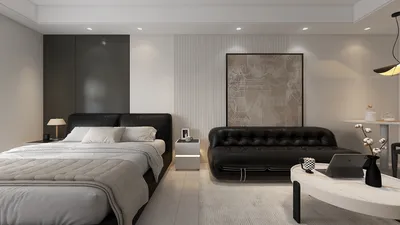


During one summer, I convinced a client that a deep teal hue would bring life to their small townhouse — however, we mistakenly painted the wrong wall first. I still chuckle at the memory of scrubbing paint off brick as dusk settled in, but this blunder taught me the importance of testing, photographing, and double-checking colors in natural light. If you wish to preview results before the paint dries, utilizing realistic 3D rendering tools like Homestyler can help you avoid future heartaches.
Compact exterior areas such as courtyards or narrow facades can ignite significant creativity: innovative choices in color, texture, and finishes can amplify impact without straining the budget. Here, I present five outdoor wall paint inspirations I've utilized in real projects, complete with honest insights about their advantages and the minor challenges you might encounter.
1. Weatherproof Elastomeric Finish for Cracked Surfaces
I’ve rejuvenated older stucco and walls susceptible to cracking by opting for elastomeric paints that bridge hairline fissures and resist moisture. These paints are thicker and provide a satin-like, protective coating — great for longevity, though they might be a tad pricier and more challenging to apply evenly.
Tip: preparation is crucial—pressure wash the surface, mend significant cracks, and apply the appropriate primer. Although the initial investment is higher, this approach helps you sidestep recurring paint jobs within 5-7 years.
save pin
2. Bold Accent Murals and Graphic Blocks
Creating a mural or a striking geometric accent can elevate an ordinary facade into a captivating focal point. I once painted an alternating band design on a staircase wall, which significantly enhanced sight lines and resulted in clients appreciating the increased curb appeal.
Challenges: murals require UV-resistant, fade-proof pigments and may need occasional touch-ups. For a budget-friendly alternative, utilize stencils and high-quality exterior acrylic paints to achieve a designer look without hiring an artist.
save pin
3. Two-Tone Horizontal Split to Alter Proportions
Dividing a wall into two contrasting colors (dark on the bottom, light on top) can visually lower or elevate the perceived height of a building — a strategy I often apply to narrow row houses to enhance their presence. This subtle trick is effective and frequently less expensive than full cladding changes.
Precision is essential: ensure you use level lines, quality tape, and a high-grade exterior primer. You might also want to experiment with color combinations using an interactive 3D mockup, such as those provided by Homestyler, to verify the balance before applying paint.
save pin
4. Faux Materials with Paint — Imitation Brick, Stone, or Polished Concrete Looks
Painting techniques and textured coatings can replicate the appearance of masonry or raw concrete at a significantly reduced cost. I utilized glaze layering and sponge techniques to create convincing brick effects on a client's garage wall — they saved thousands compared to real brick cladding.
Drawback: this method requires skilled application and the use of a durable sealer to withstand weather conditions. For those seeking a similar look without the artisan effort, consider manufactured textured coatings for quicker installation.
save pin
5. Reflective, Low-VOC Paints for Brightness and Environmental Considerations
Light-reflective paints can make shaded patios appear sunnier while helping to keep exterior areas cooler, thereby promoting energy efficiency. Combine this with low-VOC formulations for a safer application process — I routinely specify low-VOC exterior paints for most residential projects.
The challenge lies in finding products that successfully balance reflectivity, durability, and color richness. When uncertain, using small test panels can be beneficial, and consulting AI-driven color tools for palette recommendations — like those offered by Homestyler — can expedite choices.
save pin
FAQ
Q1: What paint type is best for outdoor walls?
A: For the majority of exteriors, I recommend using 100% acrylic exterior paint due to its optimal combination of flexibility, adhesion, and UV resistance. Elastomeric paints are particularly beneficial for surfaces with hairline cracks.
Q2: Is primer necessary for outdoor walls?
A: Indeed — primer is essential for ensuring adhesion, sealing porous materials, and enhancing topcoat coverage. Employ a masonry primer for stucco or a bonding primer for slick surfaces.
Q3: How long does exterior paint typically last?
A: A quality exterior paint job generally lasts between 5–10 years, based on exposure, surface preparation, and product quality. Areas with high sun or coastal exposure may require touch-ups sooner.
Q4: Is it possible to paint over brick or stone?
A: You can, but proper preparation is crucial: clean the surface, degrease, and repair mortar joints; then apply a masonry primer and breathable paint to prevent moisture entrapment.
Q5: Are low-VOC exterior paints effective?
A: Absolutely — contemporary low-VOC formulations perform well while minimizing harmful emissions during application. For guidance on VOC health, refer to the EPA’s resources regarding volatile organic compounds: https://www.epa.gov/indoor-air-quality-iaq/volatile-organic-compounds.
Q6: How can I prevent color fading?
A: Opt for UV-resistant pigments and high-quality topcoats, avoid extremely dark colors under intense sunlight, and consider using a UV-blocking clear sealer for areas with high exposure.
Q7: Is DIY exterior painting advisable?
A: DIY can be effective for smaller sections if you have the necessary time and tools, but for larger facades, high walls, or textured surfaces, hiring professionals can save you both money and headaches as they manage scaffolding and prep work.
Q8: What’s a realistic budget per square meter?
A: Depending on the product and preparation needs, anticipate a broad range: from affordable acrylics at the low end to elastomeric or specialty coatings at a higher cost. For an accurate estimate, obtain quotes that itemize preparation, primer, and finish.
Homestyler is your go-to online home design platform, perfect for transforming your ideas into reality. Its user-friendly design tool, stunning 3D renderings, diverse design projects, and helpful video tutorials make it easy to create your dream space—whether you're a beginner or a seasoned designer!
Design Now for FREE
































