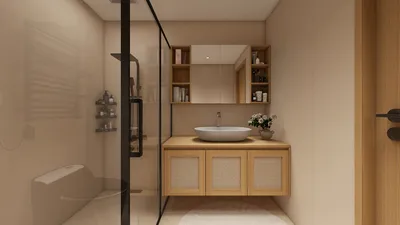


In an attempt to impress a client, I once decided to install an extravagant chandelier in a studio apartment that could only be described as tiny. While it initially looked stunning in photographs, the homeowner, who was fond of their ceiling fan, was less than thrilled. This experience reminded me that when it comes to creating mood lighting in small spaces, cleverness triumphs over merely dramatic designs. Working with small areas has prompted me to innovate, and after years of transforming kitchens, bedrooms, and compact studios, I have gathered the top five mood lighting solutions that work exceptional well in such environments. One useful tool for visualizing these designs is Homestyler, which can help you experiment with layouts and lighting placement.
1. Layered Lighting with Dimmers
My preferred approach uses a combination of ambient, task, and accent lighting. By incorporating a flush mount ceiling light for general illumination, adjustable wall sconces for reading, and warm LED strip lights hidden under shelves, you gain full control over the ambiance. The beauty of this setup lies in its flexibility: dimmers allow you to transition from bright light for morning routines to a cozy atmosphere for movie nights. Although the wiring and compatibility with dimmers can be tricky, most problems can be resolved quickly with the help of a skilled electrician.
save pin
2. Accent LED Strips for Added Depth
Integrating LED strips beneath cabinets, behind bed frames, or along shelves can add visual depth without taking up floor space. In one particular narrow studio, I used this technique to create the illusion of a more expansive wall, which was a hit with clients. These lights are energy-efficient and cost-effective, but it’s important to choose strips with warm color temperatures and a good diffuser to avoid harsh lighting.
save pin
3. Smart Bulbs for Customizable Scenes
With smart bulbs, you can program different scenes for morning, working, and relaxing. For example, I once set up a small home office where a single switch could switch between focus, break, and relaxation modes — the client loved it. The advantages include easy setup and a wide array of colors, but be aware that some users who aren’t tech-savvy may find the reliance on apps or smart hubs frustrating, so having a manual control option is always a wise choice. To help visualize light placement, consider utilizing the 3D floor planner feature within Homestyler to plan your layouts effectively.
save pin
4. Using Mirrors and Reflective Surfaces to Enhance Light
Mirrors and reflective surfaces, such as glossy tiles or metallic accents, are great for amplifying mood lighting and minimizing the need for extra fixtures. In a small bathroom I revamped, I discreetly placed LED strips which reflected back from the mirror, effectively doubling the brightness without creating glare. The key here is to be strategic with placement; overdoing it with reflections can result in a chaotic look, so choose your spots judiciously for optimal results.
save pin
5. Accent Pendants and Miniature Fixtures
Incorporating small pendant lights over a narrow table or next to a bed can introduce personality without overwhelming the space. They function akin to jewelry for a room. I often pair a slender pendant with a wall-mounted reading lamp, keeping bedside surfaces tidy. A cost-effective approach is to select simple low-voltage fixtures coupled with warm lighting for an inviting atmosphere while keeping expenses down.
save pin
Tips for Planning:
If you're looking to plan the arrangement of fixtures, I frequently utilize a free online floor plan creator. This helps me visualize positions before making any permanent changes, thus avoiding situations like the previously mentioned chandelier debacle.
save pin
Frequently Asked Questions
Q1: What color temperature is ideal for mood lighting in compact rooms?
A1: Generally, warm white light (2700K–3000K) provides a cozy ambiance and complements most surfaces. Reserve cooler temperatures for specific task areas only.
Q2: How many layers of lighting are necessary in a small room?
A2: It’s advisable to aim for three layers — ambient, task, and accent lighting — to accommodate various activities and moods without overwhelming the space.
Q3: Are smart bulbs worth considering for small rooms?
A3: Absolutely, especially for those who want preset lighting scenes and color flexibility; they’re particularly advantageous in spaces with multiple uses. Just ensure there’s a manual control option available for those who prefer simplicity.
Q4: Is it possible to install LED strips in bathrooms?
A4: Yes, you can; just ensure that you select IP-rated strips that are moisture-resistant for wet areas, and keep them away from direct splash zones for safety.
Q5: Will mirrors create a cluttered feel with mood lighting in a small room?
A5: When used judiciously, mirrors can enhance the perception of space and brightness; however, avoid placing them opposite multiple light sources to prevent glare.
Q6: How can I manage funding for a mood lighting project?
A6: Focus on incorporating dimmers and a few standout elements like LED strips or a pendant; targeted small upgrades can often provide significant impact for your investment.
Q7: Is there any authoritative source on lighting design I can consult?
A7: Yes, the Illuminating Engineering Society (IES) offers standards and recommendations that professionals use — check out their lighting guides for thorough specifications.
Q8: Can I visualize lighting arrangements before purchasing fixtures?
A8: Definitely! I often create quick visual plans using Homestyler to test the arrangement of fixtures and their lighting effects prior to buying anything.
save pin
Looking to transform your home? Homestyler offers an exceptional online design tool that makes it easy to create stunning interiors. With impressive 3D renderings, a variety of design projects, and helpful DIY video tutorials, you can effortlessly bring your vision to life. Start designing today!
Design Now for FREE
































