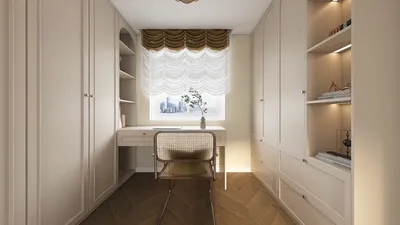


In the past, I had a client who wanted their dining nook to embody both "dramatic yet friendly" vibes, akin to asking for a comfortable tuxedo. Nevertheless, I successfully transformed that small corner into a cozy jewel-toned retreat. This taught me that diminutive spaces can ignite significant creative ideas, with paint being the quickest tool to bring those ideas to life.
In this article, I will discuss five contemporary paint colors and techniques for dining rooms that I regularly implement in my projects. I’ll explore their effectiveness, what to be cautious about, and share some budget-friendly tips to ensure you achieve your ideal shade without overspending.
1. Deep Teal or Peacock Blue — the mood-setter
Deep teal is a color I adore for dining rooms, as it fosters a sense of intimacy and harmonizes wonderfully with warm wooden tones and brass fixtures. It's a vibrant hue that conceals marks and complements metallics beautifully; however, lighting poses a challenge — smaller spaces risk feeling too dark, so using lighter colors for ceilings and trim is essential to maintain balance.
Budget tip: Consider painting three walls while leaving the ceiling a bright white, or apply a satin finish to just the lower third of the wall to decrease gloss without needing extra coats.
save pin
2. Warm Greige — a neutral that blends well
Greige, which is a blend of warm gray and beige, is my preferred choice for clients seeking a modern, calm atmosphere without the chill. It offers a sophisticated backdrop for artwork and textiles while concealing the warm undertones of older floors. The primary concern lies with unexpected undertones — it's crucial to test samples at various times throughout the day.
If you need quick mockups, using tools that simulate finishes can be invaluable in finding the perfect undertone; I generate fast visualizations to prevent expensive repaints.
save pin
3. High-Contrast Black Trim with Soft Walls
Applying deep black on trims or built-ins while keeping walls in soft shades (consider off-white or pale clay) introduces chic contrast and frames the space elegantly. The advantage lies in achieving an upscale aesthetic with minimal furniture changes; the downside is that black trim can easily reveal imperfections, so precise masking is crucial, or enlisting a professional for sharp lines is recommended. When testing concepts quickly, a clean neutral palette mockup can be a great tool when deciding between trim and wall prominence.
Practical note: choose semi-gloss for trims for resilience, and opt for eggshell or matte finishes on walls for a more forgiving appearance.
save pin
4. Soft Pastels with Metallic Highlights
Soft pastels like dusty rose, mint gray, or pale lavender can create a dining space that feels modern and inviting without sacrificing sophistication. Pairing these shades with matte black light fixtures or subtle brass adds a gentle, optimistic atmosphere; however, balancing them with darker elements and textured fabrics is key to avoid being overly sweet.
A memorable case was when I utilized dusty rose in a compact apartment, balancing it with a rattan pendant and charcoal chairs, which guests appreciated for its warmth without feeling cloying.
save pin
5. Two-Tone Walls: Dark Below, Light Above
Implementing two-tone walls, where the lower section is a darker color and the upper section is lighter (up to chair-rail height), is one of my favorite techniques for adding depth without overwhelming the area. It presents a modern, tailored look and is forgiving of marks from kids at lower levels. While the installation is straightforward, it requires careful measurement to ensure a crisp horizontal division. For layout-friendly ideas, I often adapt strategies from kitchen planning for use in dining areas, which is especially helpful for maintaining color continuity across spaces.
Budget reminder: two-tone designs can be achieved with just two gallons of paint if planned wisely — using the same brand and sheen, mixing carefully to maintain consistency.
save pin
FAQ
Q1: What modern paint colors are best suited for small dining rooms?
Opt for lighter neutrals or an accent wall in a deeper tone. Light walls will open up the space, while one dark wall can add drama without making the area feel cramped.
Q2: How do I determine warm versus cool tones for my dining room?
Examine your flooring and major furniture pieces: warm wood typically pairs nicely with warm neutrals or jewel tones, while cool tiles and metal accents align well with cooler grays and blues. Always test swatches in the actual room to ensure compatibility.
Q3: Can darker colors be effective in a modern dining atmosphere?
Absolutely — deep hues can evoke a sense of intimacy and sophistication when paired with lighter ceilings, reflective metallics, or ample lighting. They can handle wear well but require thoughtful lighting design.
Q4: What is the ideal number of paint colors to use in a single dining area?
Limit it to two or three: a primary wall color, a trim/ceiling color, and an accent. Using too many colors can create chaos, while a streamlined palette offers a modern and cohesive appearance.
Q5: Are matte finishes appropriate for dining room walls?
Matte finishes convey a modern look and can conceal imperfections; however, they tend to be more difficult to clean. Eggshell presents a good compromise for dining spaces: it offers low sheen with enhanced durability.
Q6: How should I test paint colors before making a commitment?
Apply 2–3 substantial swatches on different walls and observe them under various lighting throughout the day. Numerous paint brands provide sample pots for smaller tests; I always live with a swatch for at least 48 hours to ensure satisfaction.
Q7: Which colors are trending currently in interior design?
Warm neutrals, subdued jewel tones (such as teal and forest green), along with soft earthy pastels, are seeing a rise in popularity. For trend forecasts, industry sources like Sherwin-Williams release annual color palettes (for reference visit https://www.sherwin-williams.com).
Q8: Should the color scheme of my dining room match that of my kitchen?
Indeed, strive for a harmonious connection between adjacent areas. You may utilize different shades of similar hues or replicate accent colors from one space to another for a seamless flow.
save pin
Homestyler is your go-to online home design platform! With its user-friendly design tool, stunning 3D renderings, and a wealth of inspiring design projects and DIY video tutorials, you can effortlessly transform your space into a dream home. Get started today and unleash your creativity!
立即免费设计
































