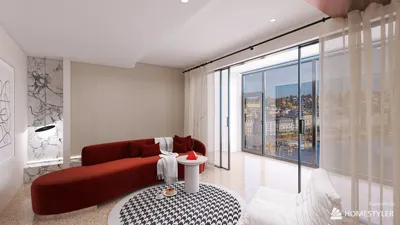


Throughout my decade-long journey in interior design, I've witnessed a significant transformation in modern living room flooring — it has evolved from merely functional to a prominent style element. Currently, trends highlight natural textures, eco-conscious materials, and bold patterns. I always advise my clients that even small spaces or tight budgets can inspire the most creative solutions. In this article, I'll present my top 10 modern living room flooring ideas, combining personal insights, practical advice, and expert recommendations.
1. Embracing Wide-Plank Hardwood
My Experience: I have installed wide-plank oak in numerous city apartments, and it instantly enhances the perception of space, making it feel more spacious and upscale. The extended lines guide the eye, resulting in an open ambiance.
Advantages: It boasts timeless charm, boosts property value, and complements both minimalist and eclectic styles. The National Wood Flooring Association reports that with proper care, hardwood can last over five decades.
Disadvantages: Prone to moisture, can be pricey, and may need refinishing after significant use over a decade.
Suggestion: If your living room is situated above a basement or concrete slab, consider opting for engineered wide planks for enhanced stability.
2. The Sleek Appeal of Polished Concrete
My Experience: In a loft renovation for a client who adored the industrial aesthetic, we polished the concrete slab and incorporated area rugs for added warmth. The result was a chic yet raw ambiance that beautifully reflected light.
Advantages: Highly durable, requires minimal maintenance, and is ideal for radiant heating systems. This flooring imparts a contemporary, gallery-like feel.
Disadvantages: Can feel cold beneath your feet without rugs, and installing new slabs may create a mess.
You can discover more minimalist living room ideas that harmonize with concrete flooring for added inspiration.
3. Versatile Luxury Vinyl Plank (LVP)
My Experience: LVP has significantly improved over the years. I utilized it in a young couple’s condo where durability for pets and a baby was essential. The wood-like texture impressed even the most discerning guests.
Advantages: Waterproof, budget-friendly, and available in realistic wood and stone designs.
Disadvantages: Typically has a lower resale value than hardwood and may not feel as substantial underfoot.
Cost Insight: Installation is often straightforward enough for DIY, allowing for labor cost savings.
4. The Luxury of Natural Stone
My Experience: For a coastal penthouse project, we chose limestone flooring. Paired with expansive windows, it created a seamless connection with the outdoor beach setting.
Advantages: Each piece is unique, durable, and adds both luxury and value, making it an excellent choice for modern living spaces with open layouts.
Disadvantages: Stones like travertine can be heavy, expensive, and typically require sealing due to their porous nature.
5. Herringbone Wood Designs
My Experience: In a modern townhouse I designed, a herringbone oak floor became a favorite topic of conversation at every gathering. It's an elegant way to introduce pattern without overpowering the space.
Advantages: Enhances visual intrigue, works well with various finishes, and can elevate even economical wood flooring.
Disadvantages: Demands skilled installation, resulting in increased labor costs.
6. Large-Format Porcelain Tiles
My Experience: Using oversized porcelain tiles in open living areas helped minimize grout lines, providing a sleek, cohesive look that photographs exceptionally well for online listings.
Advantages: They are easy to maintain, highly durable, and resistant to stains and moisture.
Disadvantages: Can feel cold and hard underfoot, and may become slippery when wet.
Explore how expansive tile layouts can enhance open living room designs before making final decisions.
7. Eco-friendly Bamboo Flooring
My Experience: The linear grain of bamboo brings a contemporary feel — I incorporated it into a wellness-focused home, where it lent a tranquil, organic vibe to the living room.
Advantages: Renewable and eco-friendly, bamboo is often more affordable than traditional hardwood.
Disadvantages: Vulnerable to scratching, and the quality can greatly vary between different brands.
8. Layering Area Rugs on a Neutral Base
My Experience: In a small apartment, I paired a neutral laminate base with an oversized patterned area rug, allowing for seasonal flexibility; just changing the rug alters the entire feel.
Advantages: Offers budget-friendly style upgrades, warmth, and noise reduction.
Disadvantages: It’s not a permanent flooring solution and requires regular cleaning of the rugs.
Tip: Layering is particularly effective if you're renting and unable to modify the underlying flooring.
9. Comfort of Cork Flooring
My Experience: A cozy reading nook I designed utilized cork flooring for its warmth and cushioning — clients appreciated the comfort of walking barefoot.
Advantages: Sustainable, naturally antimicrobial, and excellent at absorbing sound.
Disadvantages: Can fade when exposed to direct sunlight, and moisture damage may occur in areas prone to spills.
Check out how selecting warm materials fosters inviting communal areas; similar concepts apply to living rooms.
10. Creative Mixed Material Zones
My Experience: I once integrated both concrete and wood in a living room to delineate seating from dining areas without erecting walls. It infused both function and character into the space.
Advantages: Promotes innovative zoning, blends textures for a modern eclectic look, and works well in open-plan homes.
Disadvantages: More intricate installation requires careful planning for transitioning levels.
Conclusion
A contemporary living room should reflect your unique style and lifestyle preferences. As I have consistently observed, constraints like limited space or budget often lead us towards smarter choices instead of hindering us. The insights from the American Society of Interior Designers emphasize that flooring significantly impacts both perceived space and comfort. Which of these 10 modern living room flooring concepts would you be excited to implement in your home?
FAQ
Q1: What modern living room flooring is the most durable?
A: Polished concrete and porcelain tiles rank among the most durable, handling high traffic with ease and requiring minimal upkeep.
Q2: What is the best flooring for small modern living rooms?
A: Wide-plank hardwood and large-format tiles can create a sense of openness through their uninterrupted lines.
Q3: Are eco-friendly flooring options suitable for modern designs?
A: Indeed, bamboo and cork not only blend seamlessly with contemporary aesthetics but also support sustainable living trends.
Q4: Can flooring materials be mixed within a single living room?
A: Certainly! Mixed material zoning is a popular technique for creating defined spaces in open layouts without the need for walls.
Q5: Is luxury vinyl plank seen as modern?
A: Thanks to advancements in printing technology, LVP presents a sleek and modern appearance while remaining practical for active households.
Q6: What is the maintenance routine for natural stone floors?
A: Regular sealing and immediate cleaning of spills are critical; the Marble Institute of America recommends sealing porous stones on an annual basis.
Q7: Is underfloor heating necessary with concrete or tile flooring?
A: While not essential, radiant heating can significantly enhance comfort, especially in colder climates.
Q8: Can rugs enhance a modern flooring aesthetic?
A: Absolutely! Strategically placed rugs can introduce texture, color, and warmth, complementing modern flooring designs without extensive renovations.
Homestyler is your go-to online home design platform! With its user-friendly design tool, stunning 3D renderings, and a wealth of inspiring design projects and video tutorials, you can effortlessly create and visualize your dream space. Perfect for both beginners and seasoned designers!
Design jetzt kostenlos
































