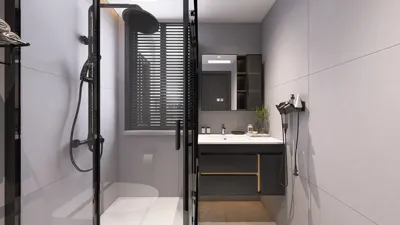


A client once told me their countertop needed to glow at night, which turned out to be a misunderstanding about the reflection from a phone charger on polished quartz. This experience taught me a valuable lesson: countertops are more than just functional surfaces; they significantly influence the ambiance of a space. Particularly in smaller kitchens, it's essential to creatively utilize materials, edge details, and colors to create the illusion of a larger, cleaner area. To visualize designs in 3D and prevent unexpected outcomes, I frequently use tools like Homestyler to create mock-ups for my clients.
1. Engineered quartz in warm neutrals
I often opt for engineered quartz when clients seek a durable surface that requires minimal upkeep. Its stain-resistant properties and sophisticated veining lend a luxurious feel to contemporary kitchens, maintaining a serene and upscale vibe. While the cost may be a consideration—as quartz is typically pricier than laminate—the long-term benefits in terms of low maintenance and resale value often justify the investment.
save pin
2. Large-format porcelain slabs for reduced seams
Porcelain slabs are increasingly popular due to their ultra-thin and heat-resistant qualities, available in expansive sizes that nearly eliminate seams. This offers a sleek, monolithic appearance, perfectly complementing minimalist cabinetry. However, installation demands skilled fabricators, and the edges can appear quite stark, so I usually recommend pairing porcelain with warmer cabinet finishes for a balanced aesthetic.
save pin
3. Blending butcher block islands with quartz perimeters
By combining a warm butcher block island with quartz perimeter counters, you achieve a perfect balance—providing tactile warmth for food preparation alongside the durability of quartz where spills are likely. This is also a cost-effective strategy: you can splurge on the quartz while using a reclaimed wood top for added character. Before final decisions, I always encourage clients to draft precise layouts to ensure that seams, appliance clearances, and maintenance zones align correctly.
save pin
4. Polished concrete with customized elements
For fans of concrete countertops, this material offers a distinctive, handcrafted look that feels modern, especially when featuring integrated sinks or smooth edges. The key advantage is its high customizability—there are endless possibilities for pigments, aggregates, and finishes. However, there are potential drawbacks such as shrinkage, hairline cracks, and the necessity of periodic sealing, so I typically recommend using fiber reinforcement and working with a reputable installer.
save pin
5. Waterfall edges and seamless slabs for an uninterrupted design
Waterfall edges—where the countertop cascades down the side of an island—create a striking contemporary look, effectively anchoring the workspace. Utilizing large, continuous slabs, whether porcelain or engineered stone, helps minimize visual distraction. When planning a kitchen, the layout is just as crucial as the materials used, so I advise consulting a kitchen layout guide early on to ensure that your overhangs, seating, and appliance layouts work harmoniously with your chosen slab.
save pin
FAQ
1. What countertop material is ideal for modern kitchens?
For a sleek, contemporary aesthetic, I typically recommend engineered quartz or large-format porcelain—both options provide clean lines, low maintenance, and a modern finish. The decision ultimately hinges on your budget and personal preference for warmth (like wood) versus a sleek, cool surface.
2. What should I budget per linear foot?
Pricing varies considerably: laminate ranks as the most affordable, while quartz and porcelain fall into the mid-to-high range. Custom concrete or premium natural stone tends to be the most expensive options. Expect quartz prices to start in the mid-range and increase based on thickness and edge detail.
3. Are porcelain countertops durable?
Absolutely—porcelain is notably resistant to heat, stains, and scratches. However, it's essential for installers to manage large-format slabs with care to prevent chipping and ensure they are securely supported underneath.
4. Do concrete countertops have a cracking issue?
Concrete can experience hairline cracks due to curing and movement; employing fiber reinforcement and a well-designed mix helps mitigate this risk. Sealing is necessary to protect against stains and moisture infiltration.
5. How does maintenance compare between butcher block and quartz?
Butcher block requires regular oiling and occasional sanding for hygiene and aesthetic upkeep, whereas quartz is non-porous and only needs mild soap and water for cleaning. Consider your willingness to perform upkeep before choosing wood.
6. Can waterfall edges be created with any material?
Waterfall edges are best suited for materials available in large slabs, such as quartz or porcelain. Certain stones and solid surfaces can also be crafted into waterfall profiles, but be mindful of matching seams and patterns.
7. Why is layout crucial when selecting a countertop?
Layout is exceptionally important as it affects workflow, sink positioning, and seating arrangements. I always recommend finalizing the layout before ordering slabs to avoid costly oversights.
8. Where can I find reliable kitchen design standards?
The National Kitchen & Bath Association (NKBA) offers valuable industry standards and best practices for kitchen design and ergonomics; their guidelines are accessible at https://www.nkba.org, providing specific recommendations and clearances.
save pin
Homestyler is your go-to online home design platform! With its user-friendly design tool, stunning 3D renderings, and a wealth of design projects and DIY video tutorials, you can effortlessly create and visualize your dream spaces. Transform your home design ideas into reality with ease!
Concevez maintenant gratuitement
































