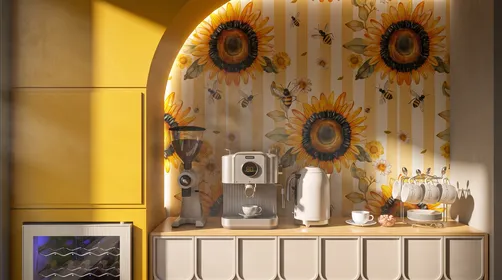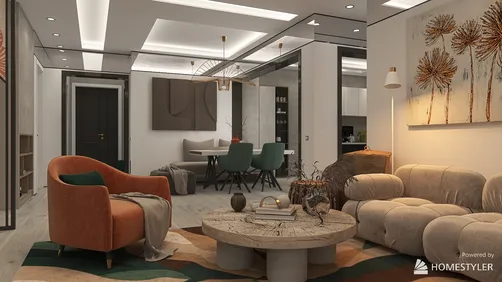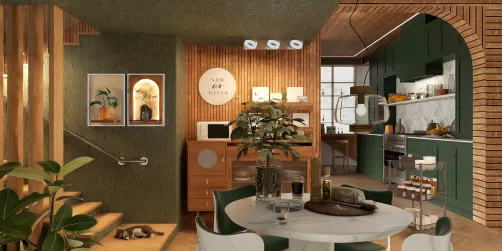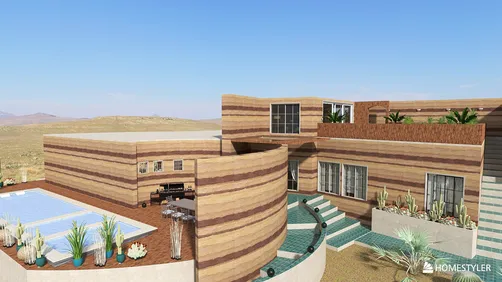



I can’t help but chuckle at the instance where a client wanted their mobile home to resemble a seaside cottage located in the Midwest — complete with aqua shutters and a coral door. After creating several design options, it was clear that the third one resonated with everyone, particularly when we visualized the final appearance using a realistic 3D preview. Small exteriors encourage bold choices, as vivid colors on limited surfaces can create a strong visual impact, and this is where platforms like Homestyler come in handy for designers.
Creative energy ignites in small spaces, and the exterior of a mobile home is no exception. Here, I’ll share five color scheme inspirations I’ve successfully implemented in my projects, highlighting what worked well, pitfalls to avoid, and practical advice on budget and upkeep.
1. Coastal Calm: Soft Neutrals with a Cool Accent
Imagine warm off-white siding paired with pale gray trim and a soft sea-glass door. This scheme brightens narrow yards, reflecting light and creating an illusion of spaciousness. The drawback? Light tones can reveal dirt more quickly, so it’s wise to consider an easy-to-clean finish or plan for regular washes.
Budget-friendly tip: opt for a midrange exterior acrylic for its durability, and enhance the door with a higher-gloss enamel for simple maintenance.
save pin
2. Modern Monochrome: Charcoal Body + Crisp White Trim
A dark exterior paired with white trim exudes sophistication and can mask small imperfections in the siding. This style is popular for achieving an upscale aesthetic without altering hardware or landscaping. However, be mindful that deep colors can absorb heat—consider applying UV-protective finishes to counteract this.
Practical advice: keeping gutters and eaves in lighter shades can help elevate the appearance of the roofline visually.
save pin
3. Retro Pastels: Playful Color with Neutral Anchors
Soft pastels such as mint, butter yellow, or dusty pink impart a cheerful, vintage feel, especially suitable for mobile homes located in parks or coastal areas. I usually balance these light hues with stone or gray base trim to avoid any childish appearance. To assist selective clients, I've started using tools that provide smart color suggestions, allowing previews of combinations before any paint hits the surface—how convenient!
A minor concern is that pastel shades can fade more rapidly in intense sunlight, so it’s advisable to select UV-resistant pigments and plan for touch-ups over the years.
save pin
4. Two-Tone Bold: Dark Lower, Light Upper with Wood Accents
Divide the exterior horizontally by applying a darker shade to the bottom third and a lighter tone above. This method grounds the home and lends it a more substantial look. Incorporate natural wood posts or a stained awning for added warmth. I’ve documented a project where this strategy artfully enhanced the perception of the roofline while concealing a short foundation.
If you wish to experiment with layouts before painting, utilizing a detailed layout case can help visualize proportions; this concept also applies to color zoning on exteriors. A slight disadvantage is that achieving crisp lines requires thorough prep work, but the result is worthwhile.
save pin
5. Earth Blend: Camouflage Greens and Warm Browns
When it’s important to blend in with mature trees and ensure privacy, opt for earthy tones. Shades like olive or sage for siding accompanied by chestnut trim help the home harmonize with its natural surroundings. This color choice is visually low-maintenance, as dirt and leaves won’t be as visible, but to maintain some curb appeal, consider a contrasting colored front door to draw the eye.
Maintenance hint: select satin or eggshell exterior paints to achieve a balance between concealing imperfections and washability.
save pin
FAQ
Q1: What’s the best paint finish for mobile home exteriors?
A1: Satin or low-sheen eggshell finishes are generally ideal—they maintain cleanliness effectively without being overly reflective. High-gloss finishes are suitable for doors and trims due to their durability, but they tend to highlight imperfections.
Q2: Can I save money by using interior paint on the outside?
A2: No—interior paints lack UV and weather resistance and will deteriorate much faster outdoors, which can lead to higher costs from frequent repainting.
Q3: How do I select a color that won’t fade rapidly?
A3: Choose paints formulated with UV-resistant pigments and check for manufacturer warranties regarding exterior fade. Slightly deeper shades typically maintain their look longer than very light tones.
Q4: Do dark exteriors increase the heat in a mobile home?
A4: Yes, darker colors absorb more heat. If energy efficiency is a priority, opt for lighter shades or apply reflective roof coatings to mitigate heat absorption.
Q5: How much should I allocate for a complete exterior repaint?
A5: Costs will vary based on size and preparation requirements, but consider expenses for primer, two finish coats, and labor—usually the largest expenditure. It's best to consult multiple local contractors for detailed quotes to ensure a fair comparison.
Q6: Are low-VOC paints preferable for exterior jobs?
A6: Low-VOC paints minimize harmful emissions and are typically better for health and the environment. According to guidance from the U.S. Environmental Protection Agency (EPA), choosing low-VOC options and properly disposing of paint can reduce air and water impact.
Q7: How can I maintain the exterior paint on my mobile home?
A7: Regular light washing, inspecting caulking seams, and addressing chips promptly can help avert larger issues. If mildew appears, treat it swiftly with a gentle cleaner to prevent staining.
Q8: Is it possible to mix finishes and colors from different brands?
A8: Yes, you can mix brands, but it's advisable to conduct small area tests first, as different formulations may reflect light differently. For the best outcome, stick to a single brand for the main coat with a compatible trim enamel.
save pin
Built on technology originally developed at Autodesk, Homestyler empowers anyone to design beautiful, realistic spaces in minutes. Join over 20+ million registered users (platform data, 2026) who have already discovered a smarter way to plan, visualize, and bring their dream homes to life — all from the comfort of a browser.
Homestyler is your go-to online platform for transforming home design dreams into reality. With its user-friendly design tool, stunning 3D renderings, and a wealth of DIY video tutorials, you can easily create and visualize beautiful spaces, making home design fun and accessible for everyone!
Design Now for FREE