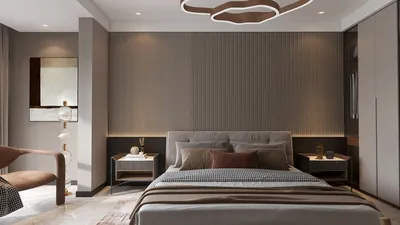


I once attempted to transform a small cast-iron radiator into a golden accent for a client chasing that "vintage glam" aesthetic. The room was filled with an overpowering smell for days, the finish turned out with an unsightly orange-peel texture, and it became crystal clear why preparation, primer, and ventilation are crucial. This experience taught me to always use a 3D floor planner like Homestyler to visualize finishes before finalizing them. Working in compact spaces requires making tough choices, and I genuinely appreciate that challenge; it brings out the best creative solutions when it comes to metallic paints.
1. Warm brushed brass accents for inviting contrast
Utilizing brushed brass on elements like door pulls, outlets, or subtle trim can introduce warmth to a room without being overpowering. This finish is quite forgiving since the brushed textures can effectively conceal application marks. However, it’s essential to use a high-quality metal primer along with a clear topcoat to guard against patina and fingerprints.
save pin
2. Striking matte black for a modern flair
Applying matte black metal paint on items such as radiators, window frames, or cabinet handles can achieve immediate visual contrast and a contemporary feel, particularly effective in smaller kitchens and bathrooms. While this finish is elegant and has low reflectivity, keep in mind that scratches can reveal light; thus, planning for touch-up paint is crucial. If the budget permits, powder-coating is a fantastic option for often-used pieces.
save pin
3. Rich copper patina for backsplashes and accent features
Copper finishes add warmth and a rustic touch; aged patina beautifully complements natural wood elements. When designing a compact kitchen with metallic touches, using a layout tool like Homestyler will help maintain balance with reflective surfaces so that the copper elements do not overwhelm the area. On the downside, authentic copper can be costly, and faux finishes require sealing to prevent staining.
save pin
4. Metallic ombré cabinetry for a subtle yet striking effect
Painting lower cabinets with a deeper metallic hue that gradually lightens towards the top creates a sense of depth without the need for additional hardware. This technique is playful and surprisingly modern, but it does come with its challenges. Ensure thorough sanding, a reliable bonding primer, and the application of thin layers to prevent drips and noticeable brushstrokes.
save pin
5. Small metallic fixtures and reflective details
Consider the small touches: metal-painted pendants, drawer fronts, or slim mirror frames. These subtle reflections can enhance light in tight spaces and give a sense of luxury without breaking the bank. When previewing finishes digitally, using advanced tools like an AI home design preview can help avoid regrets—just remember, high-gloss metals typically require more upkeep.
save pin
FAQ
Q1: Is it safe to use interior metal paint indoors?
A1: Most contemporary metal paints are crafted for indoor usage, but it’s always wise to verify VOC levels and adhere to the manufacturer's guidelines regarding ventilation and curing. Opting for low-VOC or water-based formulas whenever possible is beneficial, and ensure proper ventilation during and after application.
Q2: Is a primer necessary before painting metal?
A2: Absolutely—utilizing a quality metal primer enhances adhesion and prevents rust from breaking through the seal. Skipping this step may lead to peeling and reduce durability, especially on ferrous metals.
Q3: Is it possible to paint over stainless steel?
A3: Yes, but extensive cleaning and a specific etching primer are necessary to ensure good adhesion; otherwise, paint may flake off. Light sanding, along with a suitable primer, can be the key to a successful finish.
Q4: How can I minimize fingerprints on metallic surfaces?
A4: Opt for satin or brushed finishes that conceal prints effectively, and apply a protective clear coat for easier maintenance. For areas that are frequently touched, consider textured metal paints or durable topcoats to enhance durability.
Q5: What is the ideal finish for compact rooms?
A5: Satin or brushed metallics offer depth without the harsh glare of shiny surfaces; it’s best to steer clear of fully mirrored chrome in small spaces unless complemented by matte finishes. A subtle sheen can help reflect light without overwhelming the area.
Q6: What is the best way to prepare rusty metal?
A6: You should remove loose rust using a wire brush, sand the edges to smooth them out, clean with a degreaser, and then apply a rust-inhibiting primer before adding the topcoat. Proper preparation is crucial to ward off future rust and flaking.
Q7: Are there specific ventilation or health guidelines to consider?
A7: Yes, according to the U.S. EPA, the VOCs from paints can affect indoor air quality. It’s advisable to use low-VOC products and enhance ventilation during and after application (see https://www.epa.gov/indoor-air-quality-iaq/volatile-organic-compounds-impact-indoor-air-quality). Always consider wearing respirators while spraying.
Q8: Any budget-friendly tips for achieving metal finishes?
A8: Apply metallic paints to accents rather than entire surfaces to achieve a high-impact appearance at a lower cost. Additionally, consider using high-quality faux metallic paints sealed with a clear coat for added durability instead of real metals.
save pin
Homestyler is an exceptional online home design platform that makes creating your dream space a breeze. With its user-friendly design tool, stunning 3D rendering capabilities, and a wealth of DIY video tutorials, you'll find endless inspiration and guidance for your home projects. Transform your ideas into reality today!
Zaprojektuj teraz za darmo
































