

Direct Answer
The most resilient materials for a second-floor terrace combine robust structural integrity, weatherproof qualities, and enduring waterproofing solutions. Porcelain tiles, composite decking, stainless steel railings, and multi-layer waterproof membranes consistently surpass lower-quality options in practical use. Selecting the right mix of these materials safeguards the framework underneath while keeping upkeep manageable over time, especially when planning with tools like Homestyler.
Quick Takeaways
Introduction
After designing numerous elevated outdoor spaces for over ten years, I can confidently say that the choice of materials differentiates a terrace that endures 20 years from one that starts leaking after just a few seasons.
Most homeowners prioritize looks—tile designs, furniture style, lighting schemes. Yet, the true longevity of a terrace lies in the structural components, waterproofing solutions, and surfaces that endure constant exposure to sunlight, rain, and temperature shifts.
Before starting construction, I recommend creating a detailed layout using a visual design platform like Homestyler. This approach helps assess drainage patterns, load distribution, and traffic flow, reducing common structural errors in outdoor living spaces.
In this overview, I'll outline the materials I frequently suggest for long-lasting rooftop terraces, highlight frequent hidden failures I observe, and discuss how to balance cost with durability.
save pin
Why Material Selection Is Crucial for Second-Floor Terraces
Key Insight: Elevated terraces tend to fail primarily because materials are selected for appearance rather than functional performance.
A terrace on the second level stands above occupied rooms, so all material layers need to shield the structure beneath. Water intrusion can cause rapid damage like rotting beams, stained ceilings, and weakened framing.
In my experience with residential projects in coastal and humid regions, three main stressors dominate:
According to the North American Deck and Railing Association, water penetration is the leading cause of failure for elevated decks. Hence, the most effective terrace designs place waterproof membranes and ventilation layers as priorities before decorative finishes.
Top Flooring Materials for Rooftop Terraces
Key Insight: Porcelain pavers and composite decking consistently outlast natural wood in terms of durability and maintenance.
Flooring on terraces faces the most wear. It must resist moisture, UV rays, and heavy foot traffic without warping or cracking.
These flooring options are among my top recommendations.
A frequent error is using indoor tiles outside. These tend to crack easily because they aren't designed to withstand freeze-thaw cycles or tough weather conditions.
When clients want to visualize how different flooring options impact their outdoor space, tools like Homestyler provide realistic 3D renderings before building starts.
save pin
Weatherproof Railing and Safety Materials
Key Insight: Metal railings with anti-corrosion treatment outperform wooden railings in exposed rooftop settings.
Railings must meet wind resistance, moisture tolerance, and safety standards while maintaining a light aesthetic.
Among the best materials for railing are:
Wood railings may be charming but require frequent upkeep and often deteriorate quickly in humid climates. In several renovation projects I managed, wooden railings had to be replaced in under five years due to water damage.
Durable Outdoor Furniture Materials
Key Insight: Durable terrace furniture combines UV-resistant frames with quick-drying upholstery.
Furniture longevity is critical because rooftop terraces are exposed to more direct sunlight than ground-level patios.
Reliable outdoor furniture materials include:
A common mistake is selecting indoor furniture for outdoor terraces, which often suffer damage from humidity fluctuations even if partially covered.
save pin
Waterproofing Layers and Structural Safeguards
Key Insight: Waterproof membranes form the essential layer in any elevated terrace assembly.
Often, the surface flooring looks impeccable while the waterproof system underneath has already degraded.
A well-designed terrace waterproofing system typically includes:
Without these components functioning properly, water slowly infiltrates the building envelope causing extensive damage.
During drainage planning, architects and designers often simulate terrace slopes and water flow using 3D planning tools similar to Homestyler, which helps prevent water pooling issues before breaking ground.
save pin
Answer Box
The longevity of a second-floor terrace relies less on visible surface finishes and more on durable structural layers beneath. Waterproof membranes, correctly sloped drainage, and weather-resistant flooring collaborate to avoid prolonged damage.
Balancing Cost, Durability, and Style
Key Insight: Investing a bit more upfront on core materials significantly cuts down future maintenance expenses.
A frequently overlooked expense is the difficulty of accessing repairs. If a waterproofing membrane fails beneath the tile or stone, major surface removal is often required.
This is generally how I allocate budgets during terrace projects:
This method protects structural components while allowing aesthetic upgrades later without costly overhauls.
Final Summary
FAQ
What flooring material is best for a rooftop terrace?
Porcelain tiles and composite decking rank among the best due to their resistance against moisture, ultraviolet rays, and temperature fluctuations.
How thick should the waterproofing system for a terrace be?
Professional setups usually involve multiple layers, including membranes, protective boards, and drainage mats to form a robust barrier against water.
Are wooden decks suitable for second-floor terraces?
While natural wood can be used, it needs regular sealing and upkeep. Composite materials generally offer greater longevity.
Which railing materials last the longest outside?
Stainless steel and powder-coated aluminum stand out for their corrosion resistance and strength.
Do rooftop terraces need specialized waterproofing?
Absolutely. Terrace waterproofing must protect the underlying structure from continuous moisture exposure due to rain and humidity.
Is porcelain tile appropriate for outdoor terraces?
Porcelain pavers designed for outdoor use excel because they resist cracking, staining, and water absorption.
Which outdoor furniture materials withstand weather best?
Materials like aluminum frames, teak wood, and upholstery with UV defense are notably durable.
How long does a well-constructed terrace typically last?
With quality materials and proper waterproofing, a second-floor terrace can remain functional and attractive for 20 to 30 years.
Meta TDK
Meta Title: Top Materials for Long-Lasting Second-Floor Terraces
Meta Description: Explore durable materials for second-floor terraces including flooring, railings, waterproofing, and furniture that endure weather and time, with insights from proven design tools like Homestyler.
Meta Keywords: rooftop terrace flooring materials, durable terrace construction supplies, waterproofing solutions for terraces, outdoor decking options, terrace railing materials, Homestyler design tips
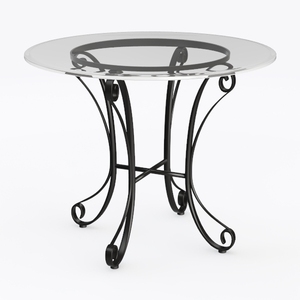

Vintage Metal Glass Top Round Dining Table 3D Model

Natural Stone Rock Water Fountain Garden Decor 3D Model

Modern Parametric Solid Wood Curved Public Bench 3D Model
Homestyler offers an easy-to-use online home design tool with stunning 3D renderings, inspiring design projects, and helpful DIY video tutorials. It’s ideal for bringing your interior decoration ideas to life quickly and creatively.
Diseño ahora GRATIS
































