

Once, a client requested that we transform their living room to resemble 'a cozy bookshop,' which led me on a quest for the ideal warm green shade for days. This experience taught me that selecting paint is both an emotional decision and a visual experiment. I enjoy how smaller living spaces encourage inventive solutions, and I frequently begin with a quick visual mockup using tools like Homestyler to observe how colors interact before applying any paint.
1. Warm Neutrals with a Rich Trim
Opt for a warm greige or a gentle taupe on the walls, while using a deep espresso or charcoal for the trim a shade or two darker. This approach not only visually extends the walls but also conceals scuff marks, making it ideal for families. However, expect to do some touch-ups where hands frequently contact the painted surface.
Budget-friendly tip: mid-range latex paints in a satin finish provide an appealing look without the costs associated with high-end designer brands.
2. A Dramatic Jewel Tone Accent Wall
For those seeking a bold statement, an accent wall painted in deep teal, emerald, or sapphire adds a curated feel to the entire room. It's a cost-effective way to introduce dramatic color and works beautifully with leather and brass accents, but watch out — strong colors can accentuate flaws in textured walls more readily.
save pin
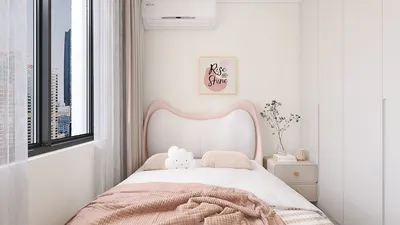
3. Soft Pastel Layers for Compact Rooms
Layering gentle pastels, like a dusty blush for the walls paired with cream ceilings, can create the illusion of more space while maintaining an airy feel. I've applied this technique in studio apartments, enhancing brightness, but be cautious as it can appear outdated if overused; modern art or matte black elements can provide a refreshing contrast.
To fine-tune color selections and expedite testing of combinations, I sometimes utilize AI-powered color recommendation services like Homestyler to streamline my options before sampling paint chips.
save pin
4. Two-Tone Horizontal Separation
Consider painting the lower third of the walls a darker, easily cleanable hue while leaving the upper two-thirds light. This technique can create the illusion of lower or wider ceilings, depending on how you choose to position the colors. It works well in high-traffic living rooms but requires meticulous taping to achieve a sharp line.
Pro tip: use semi-gloss for the lower band for easy cleaning while opting for a matte finish above to add a cozy dimension.
save pin
5. Light-Reflecting Finishes and Textures
In north-facing rooms, select warm whites with a hint of yellow or light sandy beige to balance out the cooler daylight. A satin or subtle eggshell finish helps to reflect light, and introducing textures such as a grasscloth wall or soft plaster adds depth without altering the color scheme.
To effectively preview the final outcome, I often use Homestyler to create photorealistic renders of the living room, allowing clients to visualize how finishes will appear under varying light conditions — although there is a cost, it helps to prevent repainting regrets down the line.
save pin
FAQ
Q1: What colors can make a living room appear larger?
A: Light and warm neutrals or very pale pastels tend to reflect more light, making the space feel larger. Keeping the trim and ceiling lighter than the walls adds perceived height.
Q2: Should living rooms feature cool or warm tones?
A: It largely depends on the room's lighting: north-facing spaces benefit from warm tones to offset the cooler daylight, while south-facing rooms can incorporate cooler shades. I always recommend testing samples on different walls prior to making a final decision.
Q3: How many colors should be used in a living room palette?
A: Aim for three distinct colors: a primary wall color, a secondary shade for upholstery or an accent wall, and a trim or ceiling color. This approach maintains coherence without leading to a flat appearance.
Q4: Is gloss or matte better for living room walls?
A: Matte or eggshell finishes conceal imperfections and offer a cozy feel, while satin or semi-gloss is more durable and easier to clean, making it ideal for frequently used areas. Reserve gloss for trims or special accent details.
Q5: What’s the best way to choose paint for dim living rooms?
A: Select warmer, lighter shades that reflect more light to brighten up the area; enhancing the space with layered lighting and mirrors can further amplify this effect. It's crucial to sample at various times throughout the day to truly evaluate performance.
Q6: Can I repaint over dark colors without a primer?
A: Generally, using an appropriate primer or a high-opacity undercoat is necessary to avoid multiple coats when covering dark colors — skipping primer often results in more time and paint costs in the long run.
Q7: Are there any durable paint brands you would recommend?
A: Well-known brands like Sherwin-Williams and Benjamin Moore produce durable paints that are easy to clean and suitable for living areas; Sherwin-Williams' technical guides also provide excellent resources for finish and durability selection (see Sherwin-Williams).
Q8: What’s the best method for testing paint colors efficiently?
A: Apply large 2x2 foot samples on various walls and observe changes over 48 to 72 hours in different lighting conditions; relying on photos taken with your phone's flash can be misleading, so hands-on testing is best.
save pin
Discover your home's potential with Homestyler! This user-friendly online design platform offers a powerful design tool, stunning 3D renderings, and an array of inspiring design projects. Plus, with DIY video tutorials, transforming your space has never been easier or more fun!
立即免费设计
































