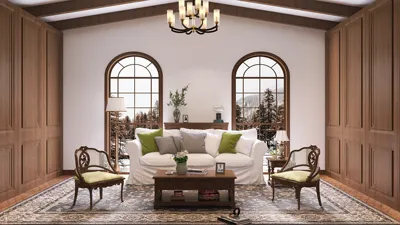


Over the last ten years as an interior designer, I’ve observed a significant shift in living room paint trends from traditional neutrals to vibrant, expressive color choices. This is especially important in smaller apartments, where the right wall color can dramatically alter the ambiance of the space. I firmly believe that compact areas invoke immense creativity. Today, I’m excited to present ten living room paint concepts that I’ve personally explored, integrating my experience with professional insights, along with the innovative tools like Homestyler for enhancing visualization.
1. Soft Greige for Timeless Warmth
My Experience: I utilized soft greige in a small loft project, and the client revealed that many guests assumed she had renovated the whole area. This color elegantly balances warmth with sophistication, creating a subdued charm.
Advantages: Greige serves as a versatile neutral canvas that harmonizes with both cool and warm furnishings, enriching small living rooms without overwhelming them.
Disadvantages: In spaces with limited natural light, it might come off as dull; hence, incorporating layered lighting is crucial to maintain vibrancy.
2. Sage Green for Calm and Fresh Vibes
My Experience: Sage green transformed my own living area into a serene retreat, allowing me to feel more connected with nature after a long day.
Advantages: This hue pairs exquisitely with natural materials like rattan and light woods, aligning well with the biophilic design movement highlighted by Architectural Digest.
Disadvantages: It may clash with more vibrant décor; establishing harmony is essential.
Combining sage walls with wooden elements fosters a warm, inviting atmosphere.
3. Deep Navy for Dramatic Contrast
My Experience: I applied deep navy to one accent wall in a client's narrow living area, creating an illusion of depth and showcasing their art collection beautifully.
Advantages: This color introduces sophistication and pairs remarkably with metallics and crisp whites.
Disadvantages: Excessive use in a small space can create a darker feel; it's best reserved for accent or partial walls.
4. Creamy White for Airy Brightness
My Experience: Painting my apartment in creamy white reflected light effectively, making the room feel almost double its actual size.
Advantages: It enhances natural light flow, particularly suitable for urban homes lacking abundant windows.
Disadvantages: It may show dirt easily, so opting for washable paint is a smart choice.
5. Terracotta for Earthy Character
My Experience: By adding terracotta to a mid-century renovation, I infused the space with a grounded warmth that perfectly complemented the retro aesthetic.
Advantages: This color cultivates a cozy ambiance, echoing Mediterranean design influences.
Disadvantages: If paired with dark furnishings, it may feel heavy; balancing it with lighter textiles is key.
6. Dusty Rose for Modern Romance
My Experience: A touch of dusty rose redefined a bachelor pad into an inviting, chic haven without being overly feminine.
Advantages: It pairs well with grey, cream, and brass highlights, making it a favorite in contemporary Scandinavian design.
Disadvantages: It may not blend well with minimalistic industrial aesthetics.
Using a soft blush wall alongside glass features retains openness beautifully.
7. Charcoal Grey for Modern Edge
My Experience: I implemented charcoal grey in expansive loft spaces to artistically delineate living zones without physical barriers.
Advantages: It provides contrast and dimension, enhancing colorful artworks wonderfully.
Disadvantages: It tends to absorb light, so incorporating mirrors or reflective surfaces is advisable.
8. Pale Blue for Breezy Serenity
My Experience: This soothing color immediately evokes memories of beach holidays, perfect for clients desiring a permanent vacation ambiance.
Advantages: It visually expands smaller layouts and pairs beautifully with clean white trims.
Disadvantages: In north-facing rooms, it can come off as chilly; warm accents can help balance this effect.
9. Mustard Yellow for Energizing Personality
My Experience: Once, I painted a feature wall mustard yellow for a music producer's home, creating a lively background for his creativity.
Advantages: This bold and lively color surprisingly works seamlessly with navy, greys, and natural wood finishes.
Disadvantages: Excessive application can overwhelm a space; it’s best used in moderation as an accent.
10. Matte Black for Bold Sophistication
My Experience: When used judiciously, matte black can impart an upscale narrative even in compact living spaces.
Advantages: It highlights architectural features beautifully and is recognized by Houzz as a leading trend for accent walls.
Disadvantages: It can significantly reduce the perception of space; optimal for one wall or carefully selected areas.
Combining matte black with warm wood elements enhances balance while ensuring the space remains inviting.
Conclusion
Selecting paint colors for a living room is about making thoughtful, personalized design choices—especially in smaller areas. Color has the remarkable ability to transform and elevate our daily experiences. Which of these ten paint ideas are you excited to implement first?
FAQ
Q1: What’s the best paint color for a compact living room?
A: Lighter, warmer shades like creamy white or greige are ideal, enhancing natural light and promoting an airy atmosphere.
Q2: Is it feasible to use dark colors in a small living room?
A: Absolutely, but typically as accent walls to prevent a cramped feel. This approach resonates with color theory principles advocated by the National Association of Home Builders.
Q3: How do I choose paint that complements my furniture?
A: Analyze your furniture's undertones and select colors that are complementary or analogous for consistency.
Q4: What finish should I select for living room walls?
A: Eggshell or satin finishes strike the right balance between durability and subtle shine, making them perfect for living spaces.
Q5: Which colors are currently trending for living rooms?
A: Earthy hues such as sage, terracotta, and deep navy are gaining popularity according to Houzz’s 2024 design report.
Q6: Are there eco-friendly paint options available for living rooms?
A: Yes, consider low-VOC or zero-VOC paints for a healthier indoor air environment, as recommended by the EPA.
Q7: Can dark colors be easily painted over?
A: Begin with a high-quality primer to ensure even application of the new paint.
Q8: How can I visualize paint colors for my living room accurately?
A: Utilizing digital tools and mock-ups is beneficial—especially when combined with layout planning for improved accuracy.
Homestyler is your go-to online home design platform! With its user-friendly design tool, stunning 3D renderings, and a wealth of DIY video tutorials, you can effortlessly create and visualize your dream spaces. Unleash your creativity and transform your home today!
Progetta ora GRATIS
































