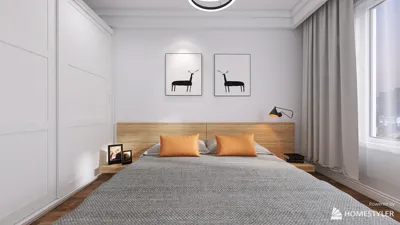


Having spent over ten years transforming compact areas, I can confidently say that converting your living room into a daycare for home is a rewarding and creative endeavor. Current interior design trends indicate a strong movement towards versatile spaces, and small areas often inspire the most innovative solutions. Here are my top 10 living room daycare ideas, combining personal insights with expert advice to help you create a space that is safe, cheerful, and aesthetically pleasing, all thanks to the easy-to-use software, Homestyler.
1. Streamlined Storage Cubes
My Perspective: In a recent project, I revamped my friend's living room into a daycare space for her toddler, starting with low-profile storage cubes. These kept toys easily accessible for the little ones while ensuring the area looked tidy for adults. Drawing on my background in minimalist kitchen design, we kept the living room clutter-free.
Advantages: Optimizes available floor area, promotes independence by allowing children easy access to their belongings, and aids in quick clean-up — all vital for a daycare setting at home.
Disadvantages: Needs consistent decluttering efforts; otherwise, these storage solutions can get filled up rapidly.
2. Soft Play Surfaces
My Perspective: In my own living area, soft foam play mats proved transformative. They clearly mark the play zone while protecting young knees during crawling and jumping.
Advantages: Absorbs falls, simple to clean, and adds an attractive splash of color. The American Academy of Pediatrics states that soft surfacing reduces injury risks for toddlers.
Disadvantages: Foam materials may deteriorate over time, especially if used intensively, necessitating replacements every few years.
3. Versatile Furniture
My Perspective: I once transformed a sofa into a sleeper space meant for naps, allowing the living room to shift seamlessly from playtime to relaxation in mere moments.
Advantages: Conserves space by merging functionalities — ideal for small home daycares where every inch counts.
Disadvantages: May have a higher price point compared to single-use furniture options.
4. Arts and Crafts Zone
My Perspective: Establishing an art corner with easy-to-clean surfaces effectively contains messes. Kids adore having their own 'studio' space, which I positioned near a big window to maximize natural light.
Advantages: Inspires creativity, allows for child-sized furniture, promoting independent play.
Disadvantages: Extra vigilance for cleaning is necessary, particularly after sessions involving paint or modeling clay.
5. Cozy Reading Corner
My Perspective: I crafted a snug tent-covered nook adorned with cushions as a reading space for a client's daycare. It swiftly became the children's favorite retreat.
Advantages: Facilitates language growth, provides a tranquil escape, and encourages kids to cultivate reading habits.
Disadvantages: Fabric tents may attract dust if not frequently maintained.
6. L-Shaped Play Configuration
My Perspective: An L-shaped layout effectively delineates play areas from quiet zones without erecting walls. I initially refined this approach in compact kitchens. In one daycare project, it enabled me to place the reading area in one section and the play area in another, balancing noise levels — similar to how L-shaped designs enhance counter space in kitchens.
Advantages: Organizes distinct activity zones, encourages smooth movement, and adapts to nearly any living room shape.
Disadvantages: Custom furniture or shelving may be necessary to effectively utilize corners.
7. Kid-Friendly Storage Bench
My Perspective: For one client, I positioned a storage bench beside a bay window. This solution provided seating for storytelling and concealed toy storage underneath.
Advantages: Combines seating with storage, making clean-ups swift before guests visit.
Disadvantages: Bench height needs to be suitable for children; otherwise, they may require assistance reaching their toys.
8. Toy Rotation Systems
My Perspective: In a daycare setup, I initiated a rotating toy system. This approach kept playtime exciting and minimized visual chaos.
Advantages: Sustains children's engagement, prolongs toy usefulness, and simplifies tidying.
Disadvantages: Maintaining rotation schedules demands consistent effort.
9. Glass Dividers
My Perspective: One client wanted to maintain the airy ambiance of her living room while distinguishing the daycare zone. We installed tempered glass dividers with safety film — akin to how glass backsplashes make kitchens feel more spacious.
Advantages: Separates areas while preserving light flow, providing sound insulation without creating a confined atmosphere.
Disadvantages: This setup requires regular cleaning to ward off smudges; safety film is crucial for protection.
10. Nature-Inspired Accents
My Perspective: I firmly believe that incorporating nature elevates a space's appeal. Including plants in hanging pots or wall-mounted arrangements adds vibrancy without occupying floor space.
Advantages: Enhances air quality, induces a calming vibe, and allows children to connect with nature.
Disadvantages: Choose non-toxic plants and ensure regular maintenance to keep them thriving.
Conclusion
Creating a living room daycare revolves around the intelligent use of space rather than restrictions. Small areas challenge us to cultivate creativity and purpose — and with an effective layout, every square foot can serve both your family's and the children's needs. According to the National Association for the Education of Young Children, adaptable, safe, and welcoming environments promote stronger engagement. Which of these concepts are you excited to implement in your own living room daycare using tools like Homestyler?
Questions and Answers
Discover Homestyler, the ultimate online home design platform! With its user-friendly design tool, stunning 3D renderings, and a wealth of inspiring design projects and video tutorials, you can effortlessly transform your home ideas into reality. Perfect for both beginners and seasoned designers!
Design Now for FREE
































