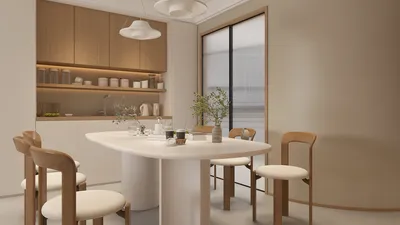


As a designer with over a decade of experience in transforming both compact and expansive spaces, I've come to appreciate how even a simple living room can truly shine when complemented by the right centerpiece. Today's interior design trends lean heavily toward organic textures, versatile décor pieces, and understated yet impactful items. I firmly believe that small spaces ignite large creativity, and I'm excited to share my top 10 centerpiece ideas for living rooms—these tips are grounded in real-world homes, backed by design fundamentals, and infused with my own insights on utilizing tools like Homestyler to visualize your concepts.
1. Minimalist Floral Arrangement
My Perspective: A refined, monochromatic floral arrangement on a coffee table can work wonders. In one of my client's cozy apartments, a white ceramic vase filled with eucalyptus completely transformed the seating arrangement.
Advantages: Minimalist floral arrangements maintain an open and uncluttered ambiance, which is especially beneficial for smaller living spaces. The American Institute of Floral Designers indicates that greenery can foster a serene atmosphere.
Disadvantages: Fresh flowers require regular upkeep, and artificial flowers might appear overly synthetic if not thoughtfully selected.
Tip: Select seasonal blooms to maintain freshness and cost-effectiveness.
2. Glass Bowl with Mixed Textures
My Perspective: In styling a chic downtown loft, I featured a minimalist blown-glass bowl filled with driftwood, shells, and smooth pebbles—this became an instant talk piece for guests.
Advantages: A glass centerpiece beautifully reflects light and adds depth, perfect for illuminating a compact room.
Disadvantages: Sourcing appropriate filler materials can be challenging; an overflowing bowl runs the risk of looking cluttered.
For design inspiration, consider how glass accents can enhance interiors through platforms like Homestyler, showcasing curated case studies.
3. Oversized Coffee Table Book Stack
My Perspective: Large-format books with striking covers provide both aesthetic appeal and interactive elements for guests to peruse.
Advantages: They infuse height, color, and a touch of your personality into your space without overwhelming it.
Disadvantages: They can accumulate dust easily and may pose practicality issues for households with small children.
4. Tiered Tray Display
My Perspective: Utilizing a tiered tray allows for the display of candles, small plants, or seasonal decorations. I find joy in changing these items with the seasons.
Advantages: This approach maximizes vertical space, which is essential in small rooms where every square inch counts.
Disadvantages: Without regular curation, it can easily become a miscellaneous catch-all.
5. Decorative Lantern Cluster
My Perspective: One of my favorite living room transformations included a trio of varied-sized lanterns with LED candles, providing warmth without the risks of real flames.
Advantages: They create a safe and inviting ambiance, fitting seamlessly into styles ranging from bohemian to industrial.
Disadvantages: If they are placed too high, the lighting effect can be diminished.
6. Statement Sculpture
My Perspective: A geometric metal sculpture recently became the focal point of one of my neutral-themed projects, injecting character into the space.
Advantages: Adds charm and artistic flair; particularly effective in contemporary designs.
Disadvantages: If overly large, it can dominate a small table.
Discover how bold centerpieces can shift a room's dynamics in real-life layouts through platforms like Homestyler in your design research.
7. Rustic Wooden Bowl
My Perspective: I often use rustic wooden bowls as they evoke a natural, grounded aesthetic while providing a vessel for seasonal fruits or décor items.
Advantages: Sturdy, timeless, and perfect for rustic or eclectic themes.
Disadvantages: Requires periodic oiling to avoid deterioration.
8. Candle and Mirror Tray
My Perspective: A mirror tray beneath candles not only amplifies light but also creates an illusion of spaciousness in a small room.
Advantages: Reflective surfaces enhance brightness; candles introduce warmth.
Disadvantages: Mirror trays can show fingerprints easily, requiring regular maintenance.
Tip: Opt for unscented candles if you frequently entertain in your living area.
9. Indoor Plant Terrarium
My Perspective: Terrariums serve as vibrant living art pieces, with low-maintenance succulents being ideal for busy homeowners.
Advantages: Introduces greenery and vitality to your living space; minimal watering makes it practical. Research from NASA indicates that some plants can enhance indoor air quality.
Disadvantages: Glass terrariums may fog up if they are overwatered.
Check out how greenery can enhance three-dimensional designs in professional settings via Homestyler.
10. Mixed Material Arrangement
My Perspective: Curating a combination of marble, wood, and metal objects adds layers and keeps the visual interest alive.
Advantages: Suits a variety of design aesthetics and permits seasonal adjustments of items.
Disadvantages: Without a cohesive color scheme, the arrangement can seem disjointed.
Summary
Creativity is not confined by the size of a living room—instead, small spaces can spur innovative centerpiece designs. Ranging from nature-inspired arrangements to bold art pieces, every idea can be customized to your taste and area. As highlighted by Apartment Therapy, effective centerpieces marry functionality with personal style. Which of these concepts would you implement in your home?
Frequently Asked Questions
1. What’s the most effective centerpiece concept for a compact living room?
A minimalist floral arrangement or tiered tray is ideal as they add charm without overwhelming the space.
2. What is the recommended height for a living room centerpiece?
Ideally, it should maintain unobstructed sightlines between those conversing—10 to 14 inches is the suggested dimension.
3. Is it safe to use candles as centerpieces?
Certainly, although LED candles are a safer alternative, particularly for families with children or pets.
4. Can a centerpiece contribute to making my living room appear larger?
Yes, using reflective materials like glass or mirrored trays can help to bounce light and create an airy feel.
5. How frequently should I refresh my living room centerpiece?
It’s best to change it seasonally to keep the look dynamic and in tune with current trends.
6. What are some budget-friendly centerpiece concepts?
DIY terrariums, stacks of books, or seasonal fruits displayed in a wooden bowl are all stylish yet economical choices.
7. Do plants have the ability to enhance indoor air quality in my living room?
Yes, as suggested by NASA, certain indoor plants have the capacity to filter harmful substances from the air.
8. Is mixing different materials for centerpieces acceptable?
Definitely, just ensure there is a unifying color scheme or theme to bring everything together harmoniously.
Discover your home's potential with Homestyler! This user-friendly online design platform offers powerful 3D rendering tools, a wealth of inspiring design projects, and helpful DIY video tutorials. Transform your ideas into reality and create the perfect space effortlessly!
Design jetzt kostenlos
































