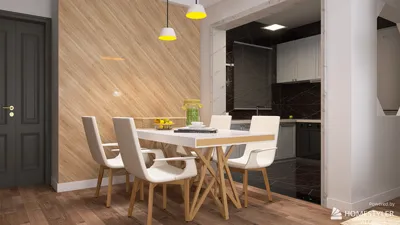


With over a decade of experience in interior design, I find that in 2024, living room bookshelf trends emphasize the harmony of functionality and aesthetics. Small spaces often inspire innovative solutions, transforming bookshelves into stylish focal points rather than mere storage options. In this article, I’ll reveal my top 10 bookshelf inspirations, drawing from real projects and expert opinions, while also highlighting how tools like Homestyler can enhance your design process.
1. Minimalist Floating Shelves
My Perspective: In compact apartments where every inch counts, I’ve incorporated minimalist floating shelves. They promote an airy, modern feel that invites light into the room.
Advantages: They use wall space efficiently, are compatible with various décor styles, and are easy to maintain. Reports from Houzz for 2024 indicate that floating shelves dominate small living room renovations.
Disadvantages: They have a limited weight capacity—avoid loading them with too many heavy items.
Tip: Position shelves at eye level for aesthetic balance and accessibility. For one of my projects, I showcased a collection of art books and ceramics across a shelf to evoke a gallery ambiance.
2. Built-in Bookshelves Surrounding the TV
My Perspective: Creating shelves around the TV transforms a simple wall into a multifunctional entertainment center. In one project, we revamped an underutilized wall into a stunning storage and display area.
Advantages: This approach keeps media devices tidy, provides a cohesive look, and makes good use of awkward spaces.
Disadvantages: It necessitates strategic planning and might require custom carpentry, potentially driving up costs.
Incorporating minimalist shelving in your living room design can seamlessly integrate your TV area into the overall architecture.
3. Glass-Front Display Cabinets
My Perspective: With glass doors, your books remain dust-free while adding refinement and an open feel to the room. I often use these cabinets for clients wanting to display vintage book collections.
Advantages: They provide an elegant appearance, safeguard delicate books, and can also serve as a platform for showcasing artwork or collectibles.
Disadvantages: They might appear overly formal in more relaxed settings; glass requires frequent upkeep.
Tip: Integrate LED strip lighting within to cast a warm glow and highlight your literary treasures.
4. Ladder and Rail Library Walls
My Perspective: For avid readers, a full wall of shelves with a sliding ladder offers an ideal solution. I once implemented this concept in a loft apartment, making it the room’s centerpiece.
Advantages: This design maximizes vertical space, creates a striking focal point, and enhances the room's character.
Disadvantages: It’s best suited for high ceilings; a ladder can raise costs and necessitate upkeep.
5. Color-Coded Book Arrangements
My Perspective: Organizing books by spine color transforms shelves into art pieces. This playful and modern technique surprisingly instills a sense of calm.
Advantages: It’s visually striking and provides a quick facelift to your bookshelf without any monetary investment other than personal time.
Disadvantages: Locating a specific title may take longer; this style prioritizes aesthetics.
6. Mixed Material Shelving Units
My Perspective: Combining wood and metal introduces an industrial-chic flair, which helps blend modern and rustic elements seamlessly.
Advantages: These units are sturdy, adaptable, and complement various styles from rustic to contemporary.
Disadvantages: Metal frames can scratch floors—it's advisable to add felt pads.
In one recent condo project, an iron-and-oak shelving unit dramatically revitalized a once uninspiring wall, showcasing how Homestyler can assist in visualizing such transformations.
7. Asymmetrical Shelf Designs
My Perspective: Irregular arrangements create an engaging visual narrative. I've used asymmetrical designs to add excitement to minimalist spaces.
Advantages: They introduce movement and visual interest, ideal for displaying diverse objects.
Disadvantages: Planning can be challenging; they may look cluttered when overstuffed.
8. Multi-Functional Storage Benches
My Perspective: Low shelving units can serve dual purposes as seating in smaller rooms. In one project, I created a reading nook bench featuring built-in book cubbies.
Advantages: They conserve space, are perfect for window seating, and foster cozy reading areas.
Disadvantages: They may not provide the same comfort as padded seating and have limited storage depth.
9. Bookshelves as Room Dividers
My Perspective: Open-backed shelves can efficiently separate zones in open-concept homes while maintaining airy sightlines.
Advantages: They offer storage options, delineate spaces, and enhance display capabilities.
Disadvantages: They don't provide complete privacy and dust can enter from both sides.
In a recent design, an open-room bookshelf divider enhanced the flow between living and dining areas without feeling confining.
10. Art-Integrated Bookshelves
My Perspective: Merging framed art or sculptures with books creates a curated feel that adds personality to the shelves.
Advantages: This method is deeply personal, visually stimulating, and encourages imaginative combinations.
Disadvantages: Regular editing is necessary to prevent clutter; lighting for art and books may vary.
Tip: Maintaining a consistent color scheme helps unify the books and artwork beautifully.
Conclusion: Small living rooms are not limitations—they prompt more thoughtful and purposeful bookshelf designs. As noted by Architectural Digest, multifunctional and personalized shelving is a key trend for 2024. Which of these 10 innovative bookshelf ideas would you love to incorporate using Homestyler in your home?
FAQ
1. What's the best bookshelf idea for a small living room?
Floating shelves or storage benches are excellent for optimizing space while adding a stylish element.
2. Are built-in bookshelves a good investment?
Absolutely—they can enhance your home's value and make effective use of unconventional spaces, according to HGTV experts.
3. How do I style bookshelves without creating clutter?
Mix books with decorative items, leave some empty space, and adhere to a cohesive color scheme.
4. Can bookshelves function as room dividers?
Yes, open-backed shelves can help define areas while preserving light flow.
5. What material is ideal for bookshelves?
Solid wood is durable, whereas metal frames provide a modern touch.
6. How can I keep my books dust-free?
Utilize glass-front cabinets or routinely dust shelves to maintain cleanliness.
7. What are the 2024 trends in bookshelf design?
Incorporating integrated lighting, mixed materials, and personalized displays are emerging as key trends.
8. Is it possible to integrate a bookshelf with an entertainment center?
Definitely—tailoring your entertainment wall for seamless storage and style is attainable.
Homestyler is your go-to online home design platform! Its user-friendly design tool lets you create stunning interiors effortlessly, while the 3D rendering features bring your ideas to life. Plus, with a wealth of design projects and DIY video tutorials, transforming your space has never been easier.
تصميم الآن مجانا
































