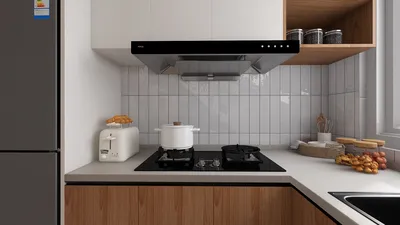


I once made the mistake of installing a butcher block countertop upside down, convinced that the pattern would look better reversed. This experience taught me a valuable lesson about workflow and usage of surfaces. Now, I always initiate countertop selections by inquiring about the kitchen workflow: it's crucial to outline how the space will be used before deciding on materials.
1. Quartz: The Versatile Low-Maintenance Option
I frequently recommend quartz countertops due to their durability and a plethora of design options. They resist stains and usually don’t require sealing. Although quartz is mid-to-high range in price, it often proves worthwhile for busy families due to its longevity.
2. Butcher Block: Adds Warmth with Easy Repairs
I adore how a warm wooden countertop enhances the coziness of a small kitchen. It's budget-friendly, can be sanded down if damaged, and develops a charming patina over time, perfect for those who appreciate a lived-in aesthetic. However, it requires maintenance like regular oiling and is more vulnerable to water damage unless treated properly.
3. Concrete: Industrial Style with Customization Options
Concrete offers the ability to customize thickness, color, and even incorporate unique elements such as glass. Many of my clients choose this material for its individuality. However, it may crack or stain if not sealed appropriately and is heavy, necessitating solid structural support and a skilled fabricator. I often utilize Homestyler to help clients visualize the finishes effectively before making a final decision.
4. Recycled Glass: Eco-Friendly and Colorful
Surprisingly vibrant, recycled glass countertops deliver an upscale appearance without resorting to new stone. They are excellent for injecting a splash of color into an otherwise neutral kitchen and are quite resistant to stains. Nonetheless, they can chip on the edges if subjected to hard impacts, so it's wise to invest in a reputable installer.
5. Laminate: Cost-Effective with Contemporary Designs
Laminate has evolved from its outdated image; today's high-pressure laminates can convincingly replicate stone and wood for a fraction of the cost. They are lightweight and straightforward to install but may delaminate at seams and are harder to repair compared to solid surfaces. For budget-conscious projects or rental kitchens, it’s often my top recommendation, especially when paired with smart backsplash selections.
Quick Practical Advice
Choose the thickness of your countertop to match the cabinet style: thicker slabs complement modern islands, while thinner styles suit classic kitchens. Always order samples to test under your kitchen's lighting, as colors can appear different in various bulb types. Additionally, ensure you can quickly create a floor plan to confirm clearances and prepare for appliances.
FAQ
Q1: Which material offers the best durability?
Quartz stands out as the leader in scratch and stain resistance for standard home use, blending durability with low upkeep. According to Consumer Reports, engineered quartz performs exceptionally well in daily kitchen environments (source: consumerreports.org).
Q2: Are butcher block countertops safe for food preparation?
Absolutely — when properly sealed and maintained, butcher block surfaces are hygienic for culinary tasks. Routine oiling and immediate cleanup of spills minimize bacterial risks.
Q3: How should I select a countertop for compact kitchens?
Opt for lighter colors or subtle patterns to create an illusion of more space, while prioritizing durable and low-maintenance materials to optimize workflow. A slim-profile island can enhance prep areas without overwhelming the kitchen.
Q4: Is it feasible to install a concrete countertop by yourself?
Concrete installation is typically best handled by professionals who understand mixing, pouring, and sealing. While DIY may be possible, it can be complex due to weight and reinforcement needs. Professionals ensure satisfactory long-term results.
Q5: What budget should I anticipate per linear foot for countertops?
Prices vary widely: laminate is usually very affordable, whereas quartz and concrete tend toward the mid-to-high range. Always obtain at least three estimates and inquire about fabrication and installation costs to avoid surprises.
Q6: Are countertops made from recycled glass durable?
Generally, they offer durability and stain resistance, but similar to most solid surfaces, they can chip if struck hard. It’s wise to choose rounded edges for enhanced durability.
Q7: Do care instructions vary with edge profiles?
Indeed — more intricate edge profiles tend to accumulate dirt more readily and can be challenging to repair; simpler edges are often easier to maintain and may last longer. Consider your lifestyle when choosing edge styles.
Q8: What is the typical lifespan of a countertop?
It varies: laminate may last 10–20 years, while quartz and well-maintained concrete or glass can endure for decades. Proper maintenance and avoiding excessive heat or impact can prolong the lifespan of any material.
Discover your dream home with Homestyler! This user-friendly online design platform offers a powerful design tool, stunning 3D renderings, and a wealth of inspiring design projects. Plus, you can enhance your skills with engaging DIY video tutorials. Transform your space effortlessly!
Design Now for FREE
































