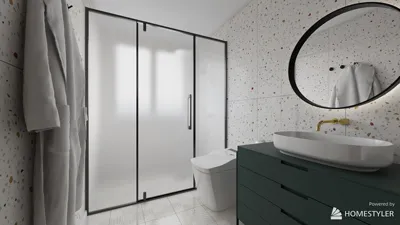


I vividly recall a time when I agreed to decorate a client’s living room in what she proudly called a ‘beige with personality’. Our initial hour was spent debating whether beige could even be deemed effervescent. This little fiasco taught me the importance of having a concrete plan in place. Consequently, I frequently guide clients to explore a room planning case study which utilizes Homestyler to help them visualize furniture arrangement, lighting, and paint shades cohesively before finalizing their color choices.
1. Coastal neutrals with a New Haven twist
Having lived near the sound, I've noticed that my clients favor soft creams, warm grays, and subdued blues that evoke a sense of serenity without being frigid. These colors are particularly effective in smaller spaces, as they reflect natural light beautifully. However, they can sometimes appear dull without added texture — I generally recommend incorporating either matte trim or satin accents to introduce depth and interest.
save pin
2. Textured accent walls (beyond simple paint)
I successfully transformed a compact studio by applying a delicate Venetian plaster finish; this texture not only concealed imperfections but also gave the space a custom feel. While it requires more investment than standard paint and an experienced hand for application, such tactile finishes often enrich the character of smaller rooms significantly.
save pin
3. Thoughtful contrast for period properties
New Haven boasts numerous historic homes with exquisite trim. By painting the trim in slightly darker or glossier hues, you can enhance the room's frame without making it feel confined. If you’re hesitant about the commitment, consider testing on a small board first. Moreover, should you be contemplating a layout change, coinciding your paint selections with kitchen layout concepts from Homestyler can assure that both color and functionality align seamlessly.
save pin
4. Opt for low-VOC and prioritize durability
For the bustling households in New Haven, I always advocate for low-VOC and scrub-friendly paints – they are gentler on indoor air quality and easier to keep clean. Although these premium options may come with a higher initial price, their long-lasting health benefits and ease of maintenance usually make them an invaluable investment.
save pin
5. Create an illusion of space in compact areas
To make small bedrooms or narrow hallways feel larger, I employ continuous color schemes, vertical stripes on a single wall, or ceilings that match the walls for an upward lift in perspective. These clever techniques help in visually expanding the space. When clients request a complete room redesign, integrating this approach with 3D floor plans from Homestyler ensures everyone is on the same page before any paint brushes are lifted.
save pin
FAQ
Q1: What is the best method to choose a painter in New Haven?
I recommend reviewing their portfolios, asking for references, and confirming their insurance. A reputable painter will present a clear outline of services, a written estimate, and options or mock-ups for client approval.
Q2: Are low-VOC paints genuinely advantageous for indoor air quality?
Absolutely — low-VOC formulas emit fewer volatile organic compounds, thereby improving air quality during and after the painting process. They are particularly suitable for homes with children, pets, or individuals with respiratory sensitivities.
Q3: What is the typical budget for an interior painting project in New Haven?
Anticipate a broad range of costs: while a small room may be modestly priced, intricate trim work or textured finishes will elevate the total. I often provide clients with low, mid, and high estimates, allowing them to select an option that aligns with their financial plans.
Q4: Can paint disguise structural deficiencies?
Paint can conceal minor imperfections, but it isn't a remedy for structural problems like rot or significant cracks. It's crucial to tackle underlying issues first to avoid further complications in the future.
Q5: How long does it take to complete a typical interior paint job?
Most individual rooms require approximately 1-2 days (including preparation, priming, and applying two coats), whereas larger homes take longer based on the project's scope. Factors like weather, drying times, and surface conditions all play a role in the timeline.
Q6: Do you suggest DIY approaches for small spaces?
I encourage DIY for straightforward refreshes if you have the time and patience, as thorough preparation is critical. For complicated finishes, high ceilings, or historic trim, hiring professionals often saves both time and potential stress in the long run.
Q7: Any advice for coordinating paint with pre-existing furniture?
Bring fabric swatches or images to the paint store and try samples on walls near the furniture under natural lighting. Small sample boards can also help account for light variations throughout the day.
Q8: What precautions should be taken when repainting older homes that may contain lead paint?
If your residence was constructed prior to 1978, adhere to the EPA’s Renovation, Repair and Painting (RRP) Rule regarding lead-safe practices; certified contractors utilize specific containment and disposal methods to minimize exposure risks (EPA, Renovation, Repair and Painting Program).
save pin
Looking to transform your home? Homestyler is your go-to online design platform! With its user-friendly design tool, stunning 3D renderings, and an array of DIY video tutorials, you can effortlessly create and visualize your dream spaces. Start designing today!
Zaprojektuj teraz za darmo
































