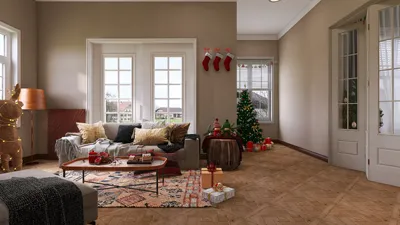


I once made an error while quoting a client about the sheen, which almost transformed a tranquil bedroom into an over-the-top disco ball. It reinforced that sheen is more critical than mood lighting. Such minor oversights taught me the importance of being meticulous about specifications as well as how even small spaces can inspire significant creative breakthroughs. To quickly visualize these changes, I sometimes utilize an interactive 3D walkthrough through Homestyler, allowing clients to see how a paint color appears in three dimensions before making any actual purchases.
1. Layered Neutrals for Enhanced Depth
When clients request ‘safe’ colors, I suggest using layered neutrals: three shades in harmony for walls, trim, and accents. This approach adds sophistication, conceals minor imperfections, and allows contractors to provide more accurate quotes since it clearly defines specific areas — the downside is that it requires additional labor for careful tape application and transitions.
save pin
2. High-Impact Accent Walls (Without Regret)
Creating an accent wall can redefine a room's focal point, allowing you to splurge on a high-quality finish in one specific area instead of throughout the entire home. This method is budget-friendly and can be reversed, but it's essential to select the correct wall — placing it incorrectly can lead to awkward lighting situations. I advise clients to test large paint swatches at eye level before contractors finalize their interior painting estimates.
save pin
3. Two-Tone Walls to Enhance Small Spaces
Applying a darker color to the lower third of a wall and a lighter shade to the upper two-thirds can give the optical illusion of higher ceilings. I learned this trick during a studio renovation, which felt significantly more spacious afterward. This strategy requires a bit more preparation, so be sure to include that in your estimates; contractors should factor in extra time for clean lines. For layout-specific advice tailored to kitchens during a painting refresh, consider Homestyler’s suggestions for efficient kitchen layouts alongside your color planning.
save pin
4. Affordable Faux Finishes for Impact
Venetian plaster or metallic glazes may appear costly but can be applied in limited areas like a foyer or niche, helping manage expenses. These finishes necessitate skilled applicators — which can lead to varied quotes — but the visual impact is often impressive. My guideline is to allocate 10–20% of your total paint budget for specialty finishes if you're aiming for that wow factor without undertaking a complete renovation.
save pin
5. Prioritize Sheen and Durability Over Brand Loyalty
Frequently, clients focus on asking about brand names rather than considering that sheen and durability significantly affect cost and longevity. The choice of eggshell, satin, or semi-gloss can alter cleaning ease and pricing; for areas with high foot traffic, I recommend opting for a slightly higher sheen and encourage contractors to provide estimates for both standard and premium finishes. If you're interested in advanced technology options, I often showcase an AI-supported design case using Homestyler, which helps clients visualize durable coatings in context.
save pin
FAQ
Q1: What do interior painting quotes usually cover?
Most estimates include preparation work (sanding, patching), primer, paint, labor, and cleanup. Some contractors will list materials separately, which allows for more straightforward comparisons.
Q2: How can I ensure I receive accurate quotes?
Offer room dimensions, photographs, and clarify your desired finishes and sheens; inviting contractors for an on-site assessment can help avoid unexpected costs. I consistently recommend obtaining at least three detailed quotes.
Q3: Do quotes generally incorporate primer?
Not necessarily—some contractors automatically include primer, while others charge for it separately. Request a detailed breakdown so you know if primer, patching, or extra coats are included.
Q4: What’s an equitable method to compare per-square-foot pricing?
Per-square-foot pricing can serve as a rough guideline; ensure the quote aligns with the scope (number of coats, prep level, trim work). Low bids occasionally skimp on prep work, which could lead to issues down the line.
Q5: How much should I set aside for specialty finishes?
Anticipate special finishes to cost between 2–5 times the rate of standard painting for the treated area; reserve around 10–20% of your overall paint budget for accents or faux effects to maintain balance in the project.
Q6: Are low-VOC paints worth the additional expense?
Absolutely—low-VOC paints enhance indoor air quality and are advisable for homes, especially those occupied by children or sensitive individuals. According to the U.S. Environmental Protection Agency (EPA), decreasing VOCs helps sustain healthier indoor air when using services like Homestyler for planning.
Q7: Should I tip painters or pay extra for touch-ups?
Tipping isn't obligatory, but a small tip or a positive review can help secure reliable teams for future touch-ups. Instead of tipping, I recommend exploring a seasonal maintenance plan as part of the contract.
Q8: How can I verify a contractor before accepting their quote?
Check references, confirm insurance and licensing, and review recent project photographs. A trustworthy contractor will provide a written scope, timeline, and clear terms for cancellations or alterations.
save pin
Homestyler is your go-to online home design platform! With its user-friendly design tool, stunning 3D renderings, and a wealth of inspiring design projects and video tutorials, it's never been easier to create your dream home. Elevate your space effortlessly today!
지금 무료로 디자인하세요
































