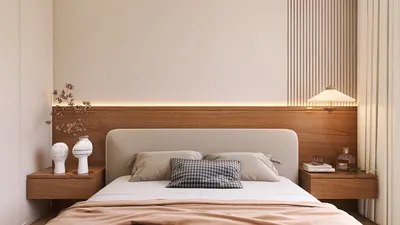


I once made the mistake of painting an entire living room the exact color a client provided, without first testing a swatch. As a result, we spent a week repainting because the light transformed it into a neon nightmare. Now, I ensure to test every color beforehand. I have discovered that selecting colors for small spaces can lead to exceptional results; a well-chosen hue can make a compact area feel open and inviting. If you're searching for the top paint colors that interior designers use today, let me guide you through five dependable choices and demonstrate how I incorporate them into real projects using Homestyler for visualization.
Compact spaces ignite creativity, whether it’s through the use of soft neutrals or bold accent walls. I also enjoy combining color selections with practical layout adjustments — consider incorporating shelves, mirrors, and innovative storage solutions that enhance the overall look. To experiment with layouts and visualize the color flow, I frequently begin with a study of space-saving techniques to better conceive how paint will appear on actual walls and corners.
1. Warm Greige — The Cozy Chameleon
I suggest warm greige when clients desire a modern yet softer neutral alternative to cool grays. This color harmonizes beautifully with wood and brass accents, ensuring your furnishings complement the walls rather than clash with them.
Advantages: timeless appeal and forgiving under different lighting conditions. Disadvantages: it may appear dull in north-facing rooms, so always test large samples. Budget tip: a high-end look can be achieved with mid-range paint by focusing on the finish — opt for eggshell in living rooms and satin for kitchens.
save pin
2. Classic White — Bright, Clean, and Versatile
White is a color that never truly fades away. I favor off-whites or warm whites to reflect light in small apartments or to provide a crisp backdrop for vibrant artwork. It’s a safe selection if you plan on selling your home in a few years.
Benefits: visually enlarges the space and pairs well with any accent color. Challenges: the wrong shade of white can feel sterile, so it’s crucial to select one with warm or cool undertones that are compatible with your home’s natural lighting.
save pin
3. Soft Sage Green — Calm and Contemporary
Soft sage green has emerged as a popular choice for living rooms and bedrooms, providing both freshness and stability. I often recommend it to clients who desire color without overwhelming commitment—especially when paired with plants and rattan furnishings.
It's also a favorite in kitchens with wood cabinetry; I occasionally combine it with island designs from my favorite layouts to ensure the color enhances the cabinetry and overall flow. A slight downside: some greens may appear grayish in low light, so testing at various times throughout the day is advisable.
save pin
4. Deep Blue — Moody Yet Elegant
Deep navy or inky blue is my preferred choice for creating intimate dining settings or dramatic headboards in bedrooms. Surprisingly modern, this color can evoke a sense of sophistication even when on a modest budget.
Advantages: hides imperfections and adds depth; however, using it excessively can make a room feel smaller. My trick is to keep ceilings and trims lighter to avoid a claustrophobic feel and to introduce brass hardware for contrast.
save pin
5. Earthy Terracotta — Warmth with Personality
Terracotta and warm rust hues are increasingly popular as they instantly inject warmth and personality into spaces, particularly in sunlit areas and accent walls. I’ve successfully applied it in cozy reading nooks and small alcoves where it feels inviting and snug.
It works beautifully in conjunction with textured neutrals and vibrant plants. To visualize how terracotta interacts with floors and furniture, I create quick 3D floor mockups using Homestyler, allowing clients to see the complete picture before any painting begins.
save pin
FAQ
Q1: What are the most sought-after interior paint colors right now?
A: Currently, warm greiges, soft sage greens, classic off-whites, deep blues, and terracotta shades dominate the lists of popularity. Trends lean towards versatile neutrals alongside a standout color to introduce warmth.
Q2: How do I select the right shade of white for my room?
A: It’s essential to test several large swatches in different lighting throughout the day—morning, noon, and evening—as undertones present differently. Choose a white that enhances your flooring and fabric tones instead of clashing with them.
Q3: Are darker shades unsuitable for small rooms?
A: Not at all—dark colors can impart depth and a sense of coziness. Use them on one wall or in recessed areas while maintaining lighter trims and ceilings to avoid a constricted ambiance.
Q4: How significantly does finish influence color?
A: Finish can greatly affect how light reflects: matte finishes soften color and conceal imperfections, whereas satin and eggshell finishes add a subtle sheen and are easier to clean—particularly in kitchens and children's areas. It's vital to consider both aesthetics and practicality when selecting a finish.
Q5: Do warm or earthy tones increase the resale value?
A: Well-designed neutral color palettes typically attract more buyers; warm neutrals and classic whites usually prove to be safe choices. Statement colors should be applied strategically and should allow for easy repainting.
Q6: How can I ensure my selected paint works with my lighting?
A: Always assess large swatches in the actual room at various times throughout the day. I also take photos of swatches under the room's lighting conditions to predict how they will appear in photographs and online listings.
Q7: Where can I find expert information on color trends?
A: Industry reports can be quite useful — for instance, Sherwin-Williams' 2024 Color Forecast offers data-driven insights that can assist in palette decisions based on current market trends.
Q8: Should I hire a professional for color selection or try to do it myself?
A: If you are comfortable experimenting and committing to samples, a DIY approach can be effective—especially with neutral palettes. For larger endeavors or challenging lighting conditions, enlisting a designer can save time and help prevent costly repainting mistakes.
Homestyler is the ultimate online platform for home design enthusiasts. With its user-friendly design tool, stunning 3D renderings, diverse design projects, and helpful video tutorials, you can effortlessly create and visualize your dream spaces. Bring your ideas to life with ease!
Design Now for FREE
































