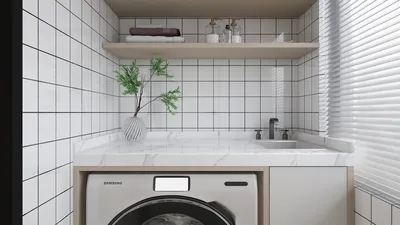


As a designer with over ten years of experience transforming compact apartments, I've uncovered a vital truth — small spaces are not a hindrance to creativity; in fact, they ignite it. Today’s interior design landscape heavily emphasizes warm minimalism, natural textures, and layered color schemes. In this article, I’ll present 10 of my favorite color inspirations for living rooms and kitchens, drawing from my own experiences as well as insights from color psychology experts, including tips on how you can utilize tools like Homestyler to visualize them.
1. Soft Greige Harmony
My Approach: I chose a gentle greige (a combination of gray and beige) for a client's open-concept kitchen and living area. This choice effortlessly created a harmonious and tranquil ambiance.
Benefits: Greige harmonizes with both warm and cool color schemes, providing versatility for layered looks in open areas. Additionally, it reflects light beautifully, enhancing spatial perception.
Drawbacks: Without complementary textures or bold accents, greige may come across as bland.
Suggestion: Incorporate textured fabrics or wooden accents to add warmth and depth.
2. Navy and Brass Drama
My Insight: Utilizing navy cabinets paired with brass handles in the kitchen, complemented by navy cushions in the living room, produced a striking sophisticated contrast in a loft I designed. The visual balance was captivating.
Advantages: Navy radiates timeless elegance and works beautifully with metallic accents. Reports from the National Kitchen & Bath Association highlight deep blues as trending choices in kitchen design.
Disadvantages: Excessive navy in a small space can absorb light, making the area feel confined.
3. Warm Terracotta Glow
My Experience: I introduced terracotta on a feature wall in the living room and mirrored that in the kitchen tiles, creating an inviting warmth throughout the year.
Advantages: Terracotta adds earthy charm and warmth, perfect for creating cozy environments. It pairs wonderfully with plants and brass lighting fixtures.
Disadvantages: If used on every wall, terracotta may be overpowering; using it in moderation is ideal.
4. Sage Green Serenity
My Insight: Applying a muted sage on kitchen cabinets and extending that hue to living room accent chairs provided an instant calming effect.
Benefits: Sage is a soft, adaptable color that psychologically helps in reducing stress, as supported by environmental psychology studies.
Drawbacks: In dull lighting, sage can appear faded; it's best to pair it with warm lighting solutions.
5. Black and White Elegance
My Perspective: This classic combination imparted a sleek, modern aesthetic to a client's integrated kitchen and living area.
Benefits: The high contrast of black and white creates visual drama while clearly delineating functional areas. It remains easy to accessorize and evolve with changing trends.
Drawbacks: Lacking natural textures or warm accents, the space can feel overly stark.
Suggestion: Incorporate warm wood elements in furniture or shelving to soften the starkness.
6. Mustard Accent Energy
My Take: I painted a single wall in mustard yellow within a small apartment’s living room and carried that vibrant hue into the kitchen bar stools. The energy it created was infectious.
Benefits: Mustard is an excellent way to introduce vibrancy without overwhelming brightness; it shines in eclectic designs.
Drawbacks: This bold tone might clash with cooler colors.
Advice: Ideal for renters — utilize removable wallpapers or textiles to achieve impactful design without permanent changes.
7. Pastel Layering
My Observation: Soft pinks, blues, and pale yellows gave a small open-plan home a playful yet refined atmosphere.
Pros: Pastels impart softness and can help subtly define zones between living and kitchen spaces, particularly in well-lit areas.
Cons: If not balanced with more mature elements such as clean-lined furniture, the overall look may seem juvenile.
Tip: Balancing light tones with deeper hues adds sophistication.
8. Charcoal with Wood Warmth
My Insight: Using charcoal-toned walls behind kitchen shelving and a matching rug in the living room contributed to a grounded yet stylish environment. The wooden countertops balanced the overall aesthetic wonderfully.
Pros: Charcoal presents a modern vibe and pairs beautifully with natural materials, providing depth without going too dark.
Cons: In low-light settings, it can make rooms feel smaller than they are.
Incorporating wooden accents can prevent a cold ambiance in darker settings.
9. Ocean-Inspired Blues
My Take: A vibrant teal painted on a kitchen island coupled with soft aqua throws in the living room yielded a refreshing coastal vibe.
Pros: Blue-greens evoke feelings of calm and freshness, and pair well with whites and light woods.
Cons: Bold blues can dominate the palette; moderation is vital for a cohesive look.
Tip: These colors shine in homes that receive plenty of natural light.
10. Monochrome Neutrals
My Take: Shades of beige, cream, and off-white established a tranquil connection between kitchen and living areas for a client who loves minimalism.
Benefits: Pure neutral colors enhance light reflection, creating an airy feel in smaller spaces, with minimal risk of color clash.
Drawbacks: Spaces might feel flat without diverse textures and finishes.
Layering different fabrics and finishes can make neutral spaces more engaging.
Conclusion
Compact kitchens and living areas should not be viewed as limitations; rather, they offer opportunities for innovative and thoughtful design. The right color choices can connect spaces, enhance light, and reflect individual personalities. As color expert Leatrice Eiseman from the Pantone Color Institute wisely states, "Color is a power which directly influences the soul." Which of these ten ideas will you embark on first? And don’t forget to explore how tools like Homestyler can help you visualize your designs!
FAQ
1. What are some contemporary color combinations for living rooms and kitchens?
Warm minimalism featuring greige, sage green, and earthy tones is trending, alongside classic black and white.
2. How can I create a sense of spaciousness in small living and kitchen areas?
Opt for light-reflective colors such as off-white, pale greige, or soft pastels. Data from Houzz design reports suggests these shades enhance natural light effects.
3. Are darker colors suitable for small kitchens?
Absolutely, but balance them with light surfaces and reflective features to prevent a cramped appearance.
4. Which colors complement navy kitchen cabinets best?
Brass, marble whites, and warm wooden tones seamlessly enhance navy aesthetics.
5. Can I effectively incorporate more than three colors in open-plan spaces?
Yes, just maintain a primary, secondary, and accent color for visual coherence.
6. What is the safest color palette for maximizing resale value?
Neutral palettes including greige, white, and soft taupe are widely appealing to prospective buyers.
7. How can I prevent an all-neutral space from feeling dull?
Incorporate texture through fabrics and variety in finishes and natural elements like wood or stone.
8. Is wallpaper a viable option in kitchens?
Absolutely — just select moisture-resistant wallpaper, and you can adorn small accent walls without worry, as demonstrated in some of my projects.
Homestyler is your go-to online home design platform! With an intuitive design tool, stunning 3D renderings, and a wealth of DIY video tutorials, you can effortlessly transform your spaces. Whether you're a beginner or a seasoned designer, bring your creative visions to life with ease!
Design Now for FREE
































