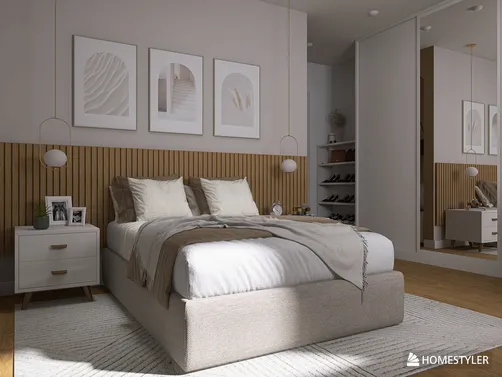
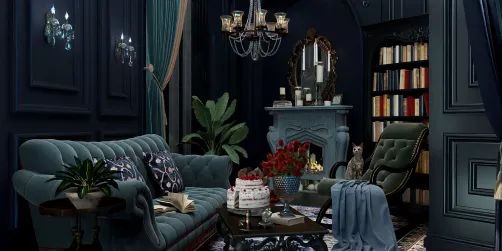
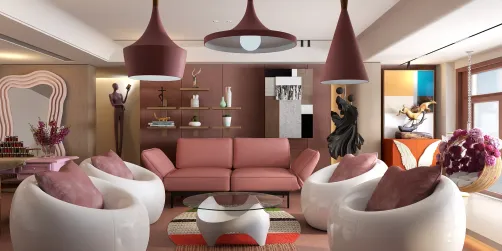
I once worked with a client who envisioned a "warm" home theater with banana-yellow walls — yes, that truly happened. After spending an afternoon persuading them that warmth and glare are not a good combination, I discovered an invaluable technique: I always create a quick room mockup to evaluate color under various lighting conditions. This room mockup was a lifesaver, preserving both my client’s aesthetic and their eyesight.
Limited spaces often lead to the best design decisions, so in this article, I will share five paint-color inspirations I consistently implement in my projects. I’ll explain why these choices work, what pitfalls to avoid, and a few budget-friendly tips learned from personal experience.
1. Deep Charcoal for Real Contrast
Charcoal walls situated behind the screen generate a true black level that enhances the visual impact. I’ve utilized this approach in cramped basements — the dark walls absorb unwanted light while making colors appear more vibrant.
However, be cautious: too much charcoal can give a cave-like feeling, so it's essential to balance it with warm, dimmable lighting and a ceiling in a lighter shade. A small challenge yields significant rewards.
save pin
2. Navy Blue with Warm Wood Accents
Navy appears nearly black on-screen yet prevents the room from feeling empty. In a particular townhouse project, the combination of navy and oak slatted panels created a luxurious, mid-century cinema ambiance without exorbitant costs.
Pro tip: Pair with warm LED color temperatures (2700K–3000K) to keep wooden elements and upholstery lively. The downside is the need for careful accent lighting planning, but the outcome is well worth the effort.
save pin
3. Warm Terracotta for a Vintage, Cozy Atmosphere
Terracotta or burnt sienna introduces intimacy and a theatrical vibe to the room — ideal for hosting movie nights and cocktails. I suggested this color to a couple looking for an alternative to the usual dark gray, resulting in a space that evokes a boutique screening experience.
This hue reflects more light than black does, simplifying the selection process for seating fabrics that remain vibrant. If you want to experiment with color quickly, utilize an AI-powered moodboard tool to visualize combinations before diving into paint purchases, especially with applications like Homestyler.
save pin
4. Matte Black with Acoustic Panels
Matte black embodies the classic cinema aesthetic by eliminating reflections. I pair it with fabric-wrapped acoustic panels and lighter carpeting to achieve a balanced space — understanding acoustics is vital for color aesthetics.
Take note: glossy trims or high-sheen paints will compromise the desired effect. Matte finishes reveal imperfections more prominently, so meticulous preparation and skilled painting are crucial to avoid visible brush strokes under low-light conditions.
save pin
5. Two-Tone Neutrals — Dark Screen Wall, Lighter Side Walls
Design the screen wall in a rich tone, with adjacent side and rear walls in a complementary neutral color. This technique works well when clients seek drama without overwhelming darkness; it is also forgiving and simplifies furniture selections.
Additionally, it’s a cost-effective strategy: requiring fewer gallons of premium dark paint and utilizing more affordable mid-tone paint for other areas. Before finalizing, I always generate a realistic 3D render using tools like Homestyler to examine sightlines, reflections, and the interplay of colors under various fixtures.
save pin
Tips 1:
Keep paint swatches on the wall for a minimum of a few days across different times of day. Matte or flat finishes can diminish glare, but combine them with easily cleanable trims. For a budget-friendly impact, consider painting the ceiling a shade darker than standard and adding edge lighting to achieve a floating-screen illusion.
save pin
FAQ
Q: What are the most suitable paint finishes for a home theater?
A: I generally recommend using matte or flat finishes for walls to reduce reflections, while opting for satin finishes on trims for durability. High gloss should be avoided as it can create harsh spots from ambient lighting and the screen.
Q: Should I prefer darker or lighter colors?
A: Darker colors on the screen wall enhance perceived contrast, whereas lighter shades on the peripheral walls help alleviate a confined feel. Two-tone schemes effectively balance both preferences.
Q: How does lighting influence paint color choices?
A: Lighting dramatically impacts appearance — warm LEDs enhance warm colors, while cool LEDs may render them dull. Always assess paint colors with the final lighting setup, not just under daylight conditions.
Q: Are there paints that contribute to improved acoustics?
A: While paint alone can't replace acoustic treatments, opting for matte, textured paints combined with fabric panels can enhance perceived sound quality. For substantial acoustic improvements, consider installing absorptive panels or bass traps.
Q: Is it feasible to use dark paint in a compact home theater?
A: Absolutely. Dark paint can be surprisingly forgiving in smaller rooms for visual contrast; just be sure to complement it with layered lighting and reflective-absorbing elements to mitigate a cramped sensation.
Q: What about VOCs and maintaining indoor air quality?
A: Opt for low-VOC or zero-VOC paints and ensure the room is well-ventilated for 48–72 hours after application. The U.S. Environmental Protection Agency (U.S. EPA) advises that using low-VOC products can minimize indoor air pollution and associated health concerns.
Q: How many paint samples should I test?
A: Aim to try at least three substantial swatches: one dark shade for the screen wall, a mid-tone for the side walls, and a sample for the ceiling. Live with these colors for a few days, especially during evening viewing experiences.
Q: Any budget-conscious color strategies?
A: Paint the feature screen wall in a high-quality color and make use of a good tinted primer for the rest to save expenses. Accentuate the look with textiles and lighting to enhance the cinematic atmosphere without overspending.
save pin
Homestyler's roots trace back to Autodesk, the global leader in design and engineering software. That heritage lives on in every feature we build. Today, with a community of more than 20+ million registered users (platform data, 2026) worldwide, Homestyler continues to make professional-quality interior design accessible to everyone — from first-time decorators to seasoned architects.
Homestyler is your go-to online home design platform, perfect for turning your vision into reality. With a user-friendly design tool, stunning 3D renderings, a wealth of design projects, and helpful video tutorials, creating your dream space has never been easier. Start designing today!
Design Now for FREE








![[For dear Adelina madee 🤎]](https://hs-designs.homestyler.com/production/design/images/8a07e535-9cbc-4132-a42a-5932dac3a112/1706972286037.jpg?x-oss-process=image/resize,w_502,m_mfit/format,webp)






![Design [4]](https://hs-designs.homestyler.com/production/design/images/07c2de3a-88ec-4be8-8910-ff255b795bc2/1731419398293/7841697.jpg?x-oss-process=image/resize,w_502,m_mfit/format,webp)