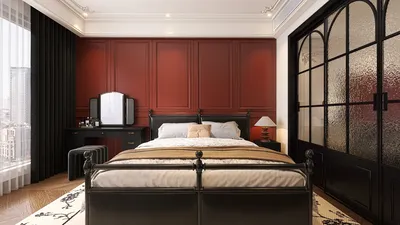


The evolution of home design has transformed from a process reliant on architects and costly software to accessible digital tools. Nowadays, anyone—from homeowners to experienced interior designers—can use modern software to draft floor plans, test various layouts, and bring their interior visions to life in stunning 3D visualizations.
Thanks to the emergence of cloud-based design platforms, users can now construct comprehensive home layouts, style their spaces, and produce photorealistic renders directly through their web browsers.
In this article, we will delve into the top home design software available in 2026, evaluate their key features, and guide you in selecting the best tool that aligns with your design aspirations.
What Exactly is Home Design Software?
Home design software refers to digital applications enabling users to craft floor plans, design interiors, and visualize spaces in both 2D and 3D before undertaking any construction or remodeling tasks.
These software solutions cater to a variety of users, including:
Contemporary home design tools typically include features such as creating floor plans, positioning furniture, customizing materials, and generating high-quality 3D renderings.
By testing design variations digitally, these tools minimize errors, enhance planning precision, and expedite the overall design process.
Quick Insight: What is the Top Home Design Software?
Determining the best home design software is contingent upon your skill level and specific design needs. However, a few platforms consistently shine with their user-friendliness, features, and visualization strength.
Here are some of the leading tools currently popular among users:
Each platform caters to varying user demographics, from casual homeowners experimenting with design features to professionals executing intricate interior layouts.
Comparing the Best Home Design Software
When deciding on home design software, users commonly prioritize usability, the quality of rendered images, furniture libraries, and device compatibility.
1. Homestyler
Homestyler has emerged as a leading modern platform for interior visualization and layout planning.
Unlike traditional design applications that necessitate extensive installations, Homestyler operates entirely through a web browser, allowing for immediate access to design tools.
Notable features include:
These functionalities make Homestyler particularly appealing to interior designers, real estate professionals, and homeowners who wish to visualize their spaces quickly and effectively.
A standout feature is its rendering speed; users can produce high-resolution images of interiors within seconds, significantly enhancing the design workflow.
For individuals investigating modern interiors, platforms like Homestyler help link creativity with realistic rendering.
2. SketchUp
SketchUp is renowned as a professional-grade 3D modeling software applied widely in architecture, product design, and space planning.
The platform boasts robust modeling capabilities and an extensive array of plugins that expand its functionalities.
Key characteristics include:
Due to its high level of modeling precision, SketchUp is favored by architects and advanced designers.
However, beginners might encounter a steeper learning curve compared to more straightforward home design solutions.
3. Planner 5D
Planner 5D emphasizes user-friendliness and simplicity, making it a favored choice for novices eager to explore interior design.
Users can easily create layouts and decorate spaces through an intuitive drag-and-drop interface.
Key attributes include:
Planner 5D is particularly beneficial for homeowners testing renovation concepts or devising room arrangements without needing advanced technical skills.
4. RoomSketcher
RoomSketcher is a platform dedicated to precise floor planning and layout visualization.
It is popular among real estate agents, contractors, and interior planners who require accurate measurements and layout diagrams.
Notable features encompass:
RoomSketcher excels in helping users visualize the interconnectivity of spaces within a home.
5. Sweet Home 3D
Sweet Home 3D is an open-source application that facilitates the creation of basic room designs and furniture layout experimentation.
Advantages include:
Despite lacking advanced rendering capabilities and modern design assets, Sweet Home 3D remains a popular choice for users seeking a no-cost design option.
Choosing the Optimal Home Design Software
Selecting the most suitable design tool involves multiple considerations.
Novices benefit from platforms offering templates, drag-and-drop functionality, and straightforward controls.
Realistic 3D renderings help users visualize how materials, lighting, and furnishings will appear in a completed space.
Comprehensive model libraries enable designers to explore various interior aesthetics and arrangements.
If new construction or renovations are in your plans, precise measurement tools are crucial.
Rapid rendering speeds allow designers to make swift iterations and explore multiple layout variations.
Guidelines for Designing a Home Using Design Software
Most design software adheres to a comparable workflow for creating home layouts.
Begin by outlining the walls and establishing the structure of the rooms. Accurate dimensions will ensure the design respects actual spatial parameters.
Defining openings will dictate the entry of natural light and affect furniture positioning.
Utilize drag-and-drop functionalities to position furniture models and review different room configurations.
Experiment with flooring choices, wall colors, and textures to align with your envisioned interior style.
Render your design to assess how the room will appear with natural lighting and material effects.
This approach allows users to refine ideas preemptively before actual design commitments.
Best Home Design Software for Specific Use Cases
Different software excels under varying circumstances.
Basic tools requiring minimal technical expertise are best for homeowners.
Recommended tools include:
Design professionals generally necessitate high-quality visuals and extensive furniture libraries.
Recommended tools include:
Users emphasizing accuracy in layouts should prioritize software tailored for floor planning.
Recommended tools include:
Users seeking cost-free solutions may want to consider:
Trends in Home Design Software for 2026
The field of home design technology is rapidly advancing. Several trends are influencing the future of digital design tools.
AI technologies can now autonomously generate floor plan designs based on room dimensions and design objectives.
Cloud-based rendering engines grant designers the capability of producing lifelike images in mere seconds.
Large digital furniture catalogs enable users to explore thousands of interior design elements in depth.
Modern cloud platforms do away with the need for heavy software installations, thus making design tools accessible from virtually any device.
These innovations are reshaping the way individuals conceptualize and plan their living spaces.
Commonly Asked Questions
Platforms designed for beginners, such as Planner 5D and Homestyler, are frequently recommended due to their intuitive interfaces and ease of layout.
Indeed, many advanced home design applications are accessible via web browsers, enabling users to sketch floor plans and visualize interiors with ease.
Yes. Both Sweet Home 3D and the no-cost variant of Planner 5D provide basic design functionalities.
Nonetheless, premium offerings typically feature more advanced rendering and design tools.
Interior designers often utilize a combination of software depending on their needs, frequently pairing advanced modeling platforms like SketchUp with visualization tools that offer realistic rendering and comprehensive furniture libraries.
Concluding Thoughts
Home design software has revolutionized interior planning, making it more accessible than ever. Whether you are redesigning a single room or conceptualizing an entire home, digital tools like Homestyler empower you to experiment with layouts, materials, and furniture before implementing real changes.
As the landscape of design technology continues to evolve, cloud-based platforms and AI-enhanced tools are simplifying the process of creating lifelike interior visualizations and unlocking new design horizons.
By selecting the appropriate home design software, both homeowners and professionals can confidently and creatively materialize their visions.

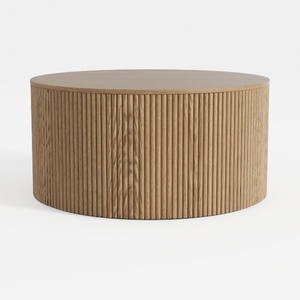
Fluted Storage Cabinet, 31.5“ Wooden Sideboards

Minimalist Brown Leather L-shaped Sectional Sofa 3D Model
Homestyler is your go-to online home design platform, perfect for both novices and seasoned designers. With its user-friendly design tool, realistic 3D renderings, a plethora of design projects, and informative video tutorials, you can effortlessly create and visualize your dream home.
Projete agora para LIVRE
































