

I once had a client whose goal was to transform a petite studio into a forest ambiance, leading us to almost opt for a moss green ceiling (though we ultimately settled on an accent wall). Working with small spaces encourages bold decisions while ensuring materials are used efficiently. When it comes to wall colors in these compact areas, green shades become one of my favorite choices. If you're interested in visualizing a practical layout for a small room, consider exploring this Homestyler space planning example.
1. Sage for a calming effect, walls included or not
I often incorporate sage green when clients desire a serene atmosphere without a cold touch. This gentle, slightly gray hue pairs beautifully with natural wood and rattan, making it ideal for living rooms and bedrooms. One advantage is its ability to hide wear while complementing countless fabrics; however, a small challenge might arise with lighting—under warm bulbs, sage can appear muddy, so it's wise to test samples near your actual fixtures.
save pin
2. Deep hunter for an element of drama in compact kitchens
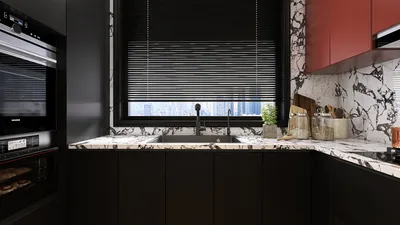
Applying a deep hunter green to a single wall or cabinet in a small kitchen creates a sense of intentional luxury. This color absorbs light and adds depth, paradoxically making the space feel airier when paired with reflective backsplashes or brass hardware. Tip for budgeting: paint only the lower cabinets while keeping the upper ones white to achieve the desired look without a complete repaint.
save pin
3. Mint with white trim to enhance brightness
Mint is my preferred choice for cramped bathrooms and north-facing areas that require a touch of vibrancy. This color softly reflects daylight and pairs strikingly with crisp white trim for a fresh contrast. Before committing to your paint choices, consider sketching your exact layout to ensure the paint complements the window placements.
save pin
4. Olive as a unique neutral option
I frequently suggest olive green as an alternative neutral for clients who prefer to steer clear of beige. It functions like a neutral but infuses more character, especially when combined with leather and terracotta accents. One minor challenge is coordinating textiles—stick to warm metals and textured weaves to maintain a harmonious palette.
save pin
5. Chartreuse for playful highlights
For the adventurous, using chartreuse trim or a singular accent stripe can instantly revitalize a corridor or small nook. It's budget-friendly for testing and easy to change if it no longer fits your style, but should be used sparingly to avoid overwhelming the space. For tailored kitchen layout ideas that manage color zones effectively, I often guide clients to check out a Homestyler kitchen layout study.
save pin
FAQ
Q1: What are the top green paint colors for small rooms? A1: Lighter, muted greens like sage or mint are ideal; they enhance light reflection and provide a soothing visual while adding color.
Q2: Will green make a space feel smaller? A2: Dark greens can feel enveloping but also provide depth; balance them with light-colored ceilings, mirrors, or glossy surfaces to prevent a cramped feeling.
Q3: How do I select between warm and cool greens? A3: Choose a green's undertone that complements your room's natural light—warmer light suits olive tones, while cooler lighting works well with blue-greens.
Q4: Is green a suitable color for kitchens? A4: Absolutely—deep greens offer sophistication on cabinets, while mint or sage refreshes the kitchen space. Opt for finishes like semi-gloss on cabinets for easier cleaning.
Q5: How many colors should accompany a green wall? A5: I typically recommend a 60-30-10 rule: a dominant neutral, a secondary green, and a 10% accent color for fixtures or accessories.
Q6: Are green paints environmentally friendly? A6: Seek low-VOC or zero-VOC options from reputable brands; many leading manufacturers now provide VOC levels on product pages for greater transparency.
Q7: What's the best way to test green paint colors? A7: Apply large swatches on different walls and observe them under both natural and artificial light throughout the day to understand how undertones shift.
Q8: Do color experts endorse green’s psychological effects? A8: Yes—color authorities recognize green's calming and restorative characteristics; for instance, Sherwin-Williams explores how various tones influence perception and mood.
save pin
Homestyler is your go-to online home design platform! With its easy-to-use design tool, stunning 3D renderings, a wealth of design projects, and informative DIY video tutorials, you can effortlessly create and visualize your dream spaces. Start designing today!
Design Now for FREE
































