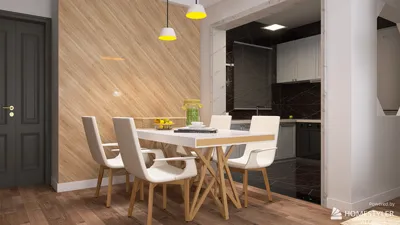


In my more than a decade as an interior designer, I've observed that gray flooring has become an incredibly adaptable option for living rooms. Its timeless appeal complements various styles, and in smaller spaces, it can create significant visual impact. These compact areas often inspire the most innovative designs — today, I'm excited to present my top 10 design concepts for living rooms featuring gray flooring, merging my insights with industry expertise.
1. Minimalist Gray Wood Floors
My Perspective: Neutral gray wood floors instantly provide a serene foundation. I've applied this in small apartments where clients desired a tidy atmosphere, allowing their furnishings to shine.
Advantages: Ideal for Scandinavian and minimalist styles; enhances natural light, making spaces appear larger; pale gray shades are predicted to trend in 2024, as noted by Architectural Digest.
Drawbacks: Lighter gray tones can show dirt more easily — I jokingly tell clients they’ll see exactly where their pets roam.
Tip: Complement with light-colored walls and a striking art piece to create a gallery-like ambiance. In one project, we paired minimalist gray flooring with an innovative storage solution to optimize space.
2. Gray Herringbone Patterns
My Perspective: I installed gray herringbone flooring in a narrow living room last year, and it brought elegance without overwhelming the space.
Advantages: Introduces visual dynamism; makes compact living areas look wider; suits both traditional and contemporary design.
Drawbacks: Installation can be costly and time-consuming; if not executed well, alignment errors become noticeable.
Insight: This pattern pairs beautifully with soft area rugs to define distinct zones within the room.
3. Industrial Gray Concrete
My Perspective: For loft-style settings, polished gray concrete delivers a striking, urban atmosphere. I've utilized it in open-concept living rooms with exposed brick features.
Advantages: Exceptionally durable; straightforward to maintain; works seamlessly with industrial-themed furniture and metallic accents.
Drawbacks: Can be chilly underfoot; installing radiant heating adds to expenses.
Tip: Introduce textured rugs to soften the appearance.
4. Affordable Gray Laminate
My Perspective: When clients aim for a swift makeover without overspending, gray laminate is my go-to choice. I've recently applied it in a rental refresh project with fantastic outcomes.
Advantages: Cost-effective; easy to install; available in various shades and finishes; requires little upkeep.
Drawbacks: Generally less durable than hardwood; may not enhance resale value significantly.
Budget Insight: Homeowners often save around 40% compared to engineered wood, according to HomeAdvisor.
5. Lustrous Gray Porcelain Tiles
My Perspective: I adore using glossy large-format tiles to convey a luxurious ambiance. In one penthouse, these tiles transformed the living area into a boutique hotel environment.
Advantages: Reflects light beautifully; low-maintenance; compatible with underfloor heating.
Drawbacks: Slippery when wet; may be too heavy for some subfloors.
Tip: Choose grout that closely matches the tile for a seamless appearance.
6. Eco-friendly Gray Cork Flooring
My Perspective: When a client sought a warm and sustainable solution, I recommended gray cork. It's not only comfortable underfoot but also efficient in sound absorption.
Advantages: Environmentally friendly; excellent insulation; comfortable for walking.
Drawbacks: Fades easily in direct sunlight; may indent under heavy furnishings.
Insight: Ideal for family rooms where children play frequently. We integrated it into an open layout to boost flow.
7. Light Gray Carpet Tiles
My Perspective: Carpet tiles are a secret weapon for creating cozy modern environments. In a client’s media room, I used light gray tiles, and they appreciated the warmth and versatility.
Advantages: Simplifies replacing damaged areas; minimizes noise; adds warm texture.
Drawbacks: Not the best choice for allergy sufferers; requires regular vacuuming.
Tip: Combine two shades of gray for a subtle checkerboard effect.
8. Gray-washed Pine
My Perspective: Gray-washed pine merges rustic charm with contemporary hues. In a farmhouse renovation, it highlighted the best of both styles.
Advantages: Offers rich texture; complements both vintage and minimalist furniture; showcases unique grain patterns.
Drawbacks: Softer wood is prone to dents; requires routine sealing in high-trafficked spots.
Tip: Pair with woven baskets and linen drapes for a countryside vibe.
9. Dark Charcoal Wide Planks
My Perspective: Darker gray flooring can assert a bold character. I employed charcoal-hued engineered planks in a contemporary art-inspired living space that embraced contrast.
Advantages: Striking aesthetic; pairs exquisitely with white or jewel-toned walls; better at concealing dirt than lighter shades.
Drawbacks: Can make smaller rooms feel even tighter if light decor isn't used for balance.
Case Study: We incorporated large mirrors to counterbalance the darker flooring, maintaining an open feel in the room.
10. Gray Marble Inlays
My Perspective: For a touch of luxury, I enjoy incorporating gray marble inlays into wood or tile floors. Just recently, I created marble borders to define the seating area in a client’s open-concept apartment.
Advantages: Presents an upscale appearance; boasts naturally unique veining; highly durable.
Drawbacks: Marble can feel cold and be slippery; installation costs can be significant.
Design Insight: We balanced the coolness of the marble with warm accent lights and plush textiles.
Conclusion
Based on my experiences, utilizing gray flooring in your living room is not about limiting your style options — it's about discovering smart design matches that elevate your environment. Research from Houzz indicates that flooring color profoundly influences the perceived size and atmosphere of a room. Whether your preference leans towards minimalism, rustic designs, or luxury, these 10 ideas for gray flooring in living rooms can serve as a solid starting point. Which one would you be eager to explore first?
FAQ
1. Is gray flooring suitable for small living rooms?
Definitely, especially lighter shades, as they can create a sense of spaciousness and brightness.
2. What wall colors pair well with gray floors?
Whites, soft beiges, and even muted blues work harmoniously. Bold accents can be thoughtfully incorporated.
3. Will gray flooring go out of style?
Not in the near future. As per the National Association of Realtors, neutral flooring remains one of the most resale-friendly options.
4. How can I warm up gray floors?
Incorporate warm-toned furniture, textured rugs, and layered lighting to infuse warmth into the room.
5. Are dark gray floors more challenging to maintain?
They effectively hide dirt, but dust can stand out more, necessitating regular cleaning.
6. Can I combine gray flooring with wooden furniture?
Certainly — just ensure the undertones are balanced. Warm wood is a great match with warm-gray flooring.
7. What’s the most durable gray flooring option?
According to Consumer Reports, porcelain and concrete rank highest in durability.
8. Is it acceptable to place rugs over gray flooring?
Yes, area rugs can add warmth and style. Layering different patterns can also help delineate spaces in open layouts.
Discover Homestyler, your go-to online home design platform! With its user-friendly design tool, stunning 3D renderings, and a wealth of DIY video tutorials, you can effortlessly create and visualize your dream spaces. Transform your home design ideas into reality, no experience needed!
今すぐ无料でデザイン
































