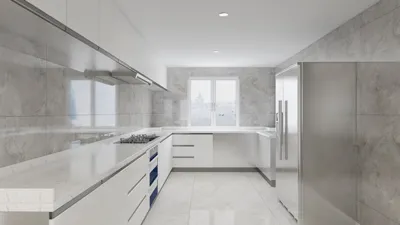


Having designed numerous Indian kitchens—from small urban apartments to spacious family homes—I believe a high-quality hob is essential in unifying the cooking experience. For my 2024 recommendations, I've concentrated on heat efficiency tailored for methods like tadka and tandoor-style cooking, along with responsive simmering for slow-cooked dals, and crucial safety features for busy households.
To base my selections on performance and safety, I refer to established standards and research. Adequate task lighting above cooktops should comply with suggested brightness levels; IES guidelines provide a benchmark for glare management and task visibility, while WELL’s philosophy integrates lighting with the comfort and safety of occupants—see the WELL v2 Light concept. Kitchen designs benefit from human-centric layouts; research from Herman Miller on task efficiency and reach range complements various cooking zones—explore their findings for insightful strategies.
My 2024 Top Picks: Gas & Induction Hobs Versatile for Indian Cuisine
I focus on factors like flame control, pan stability, and ease of cleaning. Each suggestion includes typical Indian usage, burner configuration, and sizes available in local markets.
A high-end brass-burner gas hob featuring one heavy-duty wok burner (3.5–4.0 kW), two medium burners, and a simmer burner strikes a perfect balance. The brass burner distributes heat uniformly for kadai and tawa cooking, while safety features like auto-ignition and flame failure devices cut off gas flow if the flame goes out. Opt for robust cast-iron pan supports to keep your kadhai stable, along with easy-to-clean beveled tempered glass and front-mounted metal knobs that remain sturdy in high heat.
In compact kitchens, a two-burner hob with a high-output burner and a precise simmer burner offers greater efficiency than a cramped three-burner setup. Aim for a width of 60 cm, ensuring enough clearance for pressure cookers, and choose an easy-to-clean glass or satin stainless top. Auto-ignition is crucial, and heat shields beside knobs are advantageous while preparing long tadkas.
Induction cooking is ideal for rapid boiling and controlled simmering, especially in high-rise apartments with limited ventilation. A two-zone induction unit with 3 kW boost, a bridging function for larger tawas, and a 9–12 step power scale provide the flexibility required for dosas and milk boiling. Key safety features include child locks, residual heat indicators, and cool-to-touch glass. Ensure your cookware is compatible with induction (a flat ferrous base is essential).
For larger meals involving multiple curries, rotis, and biryani—opt for a 90 cm hob with a central wok burner (≥4.0 kW), flanked by two robust medium burners and two auxiliary burners. Selecting sealed burners helps manage spills effectively, and removable drip trays facilitate clean-up. If deep-frying is frequent, ensure there's ample clearance and strong ventilation from the countertop to the hood.
Design Considerations: Heat, Layout, and Ergonomics
Indian cooking fluctuates between intense heat and gentle simmering, setting the standard for hob evaluation. I assess hobs based on maximum output (kW), stable simmer capabilities, burner spacing, and knob ergonomics. To promote comfort and convenience, maintaining a clear distance of at least 50 mm from the knob line reduces the risk of burns; textured metal caps on knobs provide a reliable grip even when oily. Strategically positioning your high-output burner close to the main prep area and the sink can minimize pan movement.
If you’re exploring new placements, using a room layout tool can help visualize clearances, hood positions, and the work triangle dimensions before making any countertop alterations.
Gas vs Induction: Which is the Right Choice for Your Kitchen?
Gas remains the preferred choice for its flame visualization, wok tossing, and compatibility with round-bottomed pots that thrive on direct heat. It allows flexibility with a wide range of cookware and feels intuitive for techniques like tadka. In contrast, induction offers speed, accuracy, and reduced ambient heat—particularly beneficial during the summer. It's also compatible with recirculating hoods in apartments since there are no combustion byproducts; however, flat ferrous pans are necessary. Many households opt for a hybrid setup: typically a three-burner gas hob paired with a single induction module for quick tasks such as boiling tea or milk.
Essential Safety Features
- Flame Failure Device (FFD): Automatically halts gas flow if the flame goes out.
- Auto-ignition with thermocouple sensing: ensures safe starts without matches.
- Heat shields behind knobs and under-glass insulation.
- Residual heat indicators (for induction) and child locks for safety.
- Robust pan supports with anti-tip design and non-slip feet in portable models.
- Proper ventilation setup: essential hood extraction over gas hobs; aim for effective air capture and quality makeup air while ensuring task lighting aligns with IES standards.
Size Alignments, Spacing, and Burner Configuration
For the majority of Indian households, 60–75 cm hobs fit standardized installations. In a 60 cm layout, two well-spaced burners outperform three tightly packed options; consider a diagonal configuration to prevent handle interference. For a 75 cm hob, three or four burners typically work best with one high-output burner positioned at the front left or center. On larger 90 cm hobs, organize in lanes: a central area for the heavy wok, medium burners on the sides, and auxiliary burners towards the back.
Materials and Maintenance Insights
Tempered glass tops not only look sleek but also offer easy cleaning; ensure they have beveled edges and are made from tempered safety glass. Satin stainless steel is durable and hides scratches well. Brass burners are great for heat distribution and resist corrosion, while aluminum models heat quickly but may pit over time. Sealed burner cups facilitate cleanup and contain messes. For induction cooking, Schott-type ceramic glass withstands thermal shock and can be scrubbed daily using soft pads.
Lighting, Aesthetic, and Acoustic Considerations Near the Hob
Using glare-free task lighting can reduce mistakes, especially while tempering spices. I target a range of 300–500 lux at the cooktop, diffusing the light to eliminate sharp reflections on glass surfaces; the WELL v2 Light concept emphasizes visual comfort and circadian rhythm balance with low-glare lighting strategies. Choosing mid-tone matte finishes for walls around the hob helps lessen glare and conceal stains. In terms of sound, induction hobs are quieter than high-flame gas systems; combining louder chimney hoods with soft surface finishes (like matte tiles or wooden fronts) can help dampen noise.
Ventilation and Air Quality Essentials
When frying and preparing tadka, Indian cooking releases aerosols and aromas that require effective capture systems. Opt for a hood that matches the hob width (60–90 cm), offering a sufficient capture area and cleanable filters. Ducted systems outperform recirculating ones for heavy culinary tasks; if recirculation is your only option, consider upgrading to multi-stage filters and remember to change them frequently. Maintain the necessary clearance from hob to hood based on the manufacturer’s guidelines to prevent heat damage to cabinetry.
Installation and Countertop Considerations
Ensure that cutout dimensions are confirmed accurately and leave sufficient silicone-sealed expansion gaps. For granite and quartz surfaces, provide reinforcement beneath wide hobs to prevent bending. Also, maintain minimal side clearances from tall panels and prioritize electrical isolation for induction hobs. Gas lines should include accessible shut-off valves and certified metal braided hoses for kitchen safety.
Budget Expectations and Recommendations
- Entry-level: 2-burner gas or single-zone induction options—ideal for studio setups.
- Mid-range: 3–4 burner brass gas hob or 2-zone induction with boost and bridge features.
- Premium: 90 cm 5-burner brass gas with Flame Failure Device, or a 4-zone induction model with flexible zones and advanced safety features.
Maintenance Tips
Regularly scrub pan supports weekly and de-grease knobs and the surrounding screws. For glass tops, use non-abrasive cleaning solutions. On induction models, quickly wipe spills to avoid residues. Annually check the functionality of auto-ignition and FFD; also, clean ventilation filters regularly to prevent smoke buildup.
Frequently Asked Questions
Typically, three burners are sufficient: one high-output for frying and searing, one medium, and one dedicated for simmering. If you batch cook on weekends, a four-burner layout provides extra cooking flexibility.
Certainly. A 3 kW boost zone reaches and maintains sufficient heat for tawas. Ensure the tawa has a flat ferrous base for optimal performance.
Absolutely. The Flame Failure Device cuts off gas if the flame is extinguished, which is vital for safety, especially when spills occur or winds disrupt the flame.
The most common sizes are 60 cm for tighter spaces and 75 cm for medium-sized kitchens. Larger 90 cm hobs require appropriate counter space and hood sizes.
Glass surfaces are easier to clean and reveal fewer grease stains; stainless steel resists abrasion and heat better. Choose beveled tempered glass or satin-finish stainless options for straightforward upkeep.
Induction hobs necessitate the use of flat ferrous bases. If a magnet sticks firmly to the bottom of the pan, it should perform well. Flat bases are essential for dosa and roti making.
Yes, achieving 300–500 lux with diffused lighting minimizes glare. Refer to IES standards and occupant comfort principles as described in the WELL v2 Light guidelines.
Ducted ventilation systems are superior for capturing and exhausting emissions from heavy frying. While recirculating hoods can suffice, ensure they are equipped with upgraded filters and require diligent maintenance.
Yes, many households utilize a main gas hob for traditional cookware alongside a single induction module for swift tasks, optimizing energy use and keeping kitchen heat at bay.
Opt for a two-burner option with generous spacing or a three-burner model placed diagonally. Keep larger pots on the front high-output burner while placing medium-sized pans toward the rear.
Looking to transform your space? Homestyler is your go-to online home design platform! With its user-friendly design tool, stunning 3D renderings, inspiring design projects, and helpful video tutorials, you can effortlessly create and visualize your dream home. Dive into design today!
Design Now for FREE
































