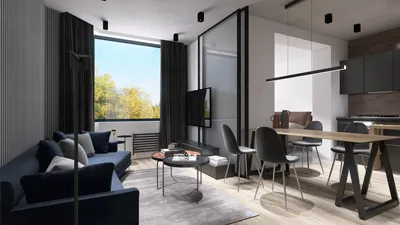


I once had a client who was adamant about placing the washer beside his classic car, claiming it kept the engine company. While I gently explained that machines don’t engage socially, this experience taught me the importance of embracing unconventional briefs — they often provide valuable constraints. Working with smaller garages compels you to think vertically and practically, leading to inventive solutions derived from limited square footage. Planning your layout early can significantly ease the workload down the road.
1. Stack It Up: Vertical Laundry Towers
I enjoy designing stacked washer-dryer setups topped with a shallow cabinet for storing detergents — this approach is economical, organized, and quickly liberates floor space for bicycles or a workbench. However, the trade-off involves accessibility: taller setups may require a step stool or a lower shelf for accessing heavier detergent, yet securing and venting them remains simple and budget-friendly.
2. Fold-Down Workstation and Drying Rack
Consider installing a wall-mounted fold-down table that serves as both a folding surface and a temporary workspace, complemented by a retractable air-dry rack above. This modest upgrade transforms your garage-laundry area into a more functional room, although it’s essential to select durable materials that can withstand moisture and garage dust.
3. Create a Mudroom-Laundry Hybrid
Merging a mudroom bench with cubbies for shoes and a dedicated laundry nook reduces trips throughout the house and streamlines the cleaning process. I typically create a 3D mockup of this layout for clients, allowing them to visualize the flow; however, careful attention to moisture management is crucial, making a waterproof floor and effective drainage essential components.
4. Portable Sink + Folding Island
Incorporating a small utility sink on wheels or a compact built-in basin with a cart-style folding island provides hand-washing capabilities without requiring a major renovation. This feature is perfect for treating stains and cleaning gardening tools — just remember to consider plumbing runs and trap placement to avoid expensive retrofitting costs.
5. Define Appliance Zones and Use Smart Tech
Organizing the washer, dryer, and drying area into one cohesive work triangle, and employing narrow shelving or slatted panels to delineate the rest of the garage enhances functionality. For clients desiring a modern flair, I create AI-powered concepts through Homestyler to optimize layout and storage; implementing smart ventilation and a basic dehumidifier often alleviates lingering moisture issues.
Tips 1:
Budget Tip: Focus on waterproof flooring and proper ventilation first before investing in cabinetry or technology. Practical Tip: Ensure you measure with doors and car doors open, as proper clearance is more critical than it seems.
FAQ
1. Can I legally have a washer and dryer in my garage?
In most areas, laundry facilities in garages are permissible, but local building codes concerning plumbing, venting, and electrical setups can differ. Always verify with your local permitting office before commencing work.
2. What’s the safest way to vent a dryer in a garage?
Dryers require a short, straight, rigid duct leading outside with a proper damper; longer or flexible vents increase the risk of lint buildup and fire hazards. If uncertain, it’s advisable to consult a qualified HVAC technician.
3. Which flooring works best for a garage laundry area?
Durable, waterproof, slip-resistant flooring options like epoxy, sealed concrete, or porcelain tiles are ideal; they are easy to maintain and clean. Avoid untreated wood or carpeting in the laundry space.
4. How can I effectively manage moisture and prevent mildew?
Effective ventilation, the use of a dehumidifier, and sealing wall penetrations are vital for controlling humidity levels. Elevate moisture-sensitive items off the floor and use exhaust fans whenever possible.
5. Should I conceal the laundry behind doors or leave it exposed?
Cabinet doors can hide clutter and limit dust accumulation, while open shelving facilitates efficiency and reduces costs. I often integrate both solutions: closed cabinets for supplies and open shelves for frequently used items.
6. What’s an affordable upgrade that yields significant improvements?
Incorporating a dedicated folding area alongside hooks or cubbies can transform disorganized chores into a streamlined routine. It’s a minor investment that offers substantial daily benefits.
7. Will placing laundry in the garage impact the lifespan of appliances?
Extreme temperatures can stress appliances; maintaining insulation in the garage and avoiding exposure to freezing or excessive heat can prolong their lifespan. Always refer to appliance manuals for recommended operating conditions.
8. Are there energy or safety guidelines I should be aware of?
Adhere to dryer venting protocols and consider using energy-efficient appliances; according to ENERGY STAR (https://www.energystar.gov), proper installation and venting enhance dryer safety and efficiency. Always comply with manufacturer instructions and local regulations.
Discover Homestyler, your go-to online home design platform! With its user-friendly design tool, stunning 3D renderings, and a wealth of design projects and DIY video tutorials, you can effortlessly transform your home ideas into reality. Start creating your dream space today!
Design Now for FREE
































