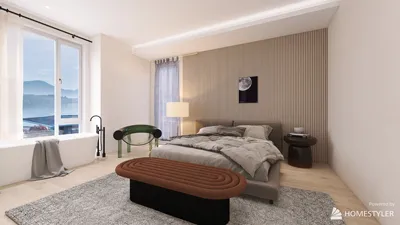


There was a time when a client of mine wanted their gaming corner styled as a classic arcade, adorned with neon colors on every wall. I must admit, it was quite overwhelming until I discovered a more practical approach. I typically begin my designs using a 3D floor planner, which helps me understand how colors and light interact, and this technique truly saved the day in this case.
1. Deep Navy with Bright Accents
Deep navy is a fantastic choice for gaming spaces as it instantly adds depth and makes lighting appear more vibrant. To keep the atmosphere lively, consider adding bright citrus or neon accents on a feature wall or shelves. However, it’s essential to counterbalance the navy, which can feel somewhat enclosed, by incorporating warm lighting and shiny surfaces.
Tip: Opt for satin finishes on trim elements to reflect light effectively without causing harsh glares.
save pin
2. Muted Olive for a Cozy, Mature Vibe
Muted olive conveys a sophisticated yet playful ambiance, ideal for creating a laid-back, lounge-like feel. This color does well at disguising wear and tear compared to pastel hues; however, the right pairings are crucial: warm wood furnishings and leather work beautifully, while inexpensive plastics could detract from the style.
Budget-friendly tip: try painting one wall and adding a textured throw to assess the mood before making a full commitment.
save pin
3. High-Contrast Monochrome with Graphic Murals
Timeless black and white designs can create a striking visual impact. Introducing a vibrant mural or geometric pattern can transform your space into something cinematic. However, maintenance might be a concern, as white accents attract dirt; thus, it's wise to select washable paints and consider removable wallpaper options.
For spatial layout and scale verification, I sometimes utilize a free floor planning tool to ensure that mural sizes feel appropriate from different viewpoints, like from the couch towards the TV.
save pin
4. Warm Terracotta for Retro Comfort
Terracotta and clay shades evoke a nostalgic warmth that pairs wonderfully with vintage arcade machines and mid-century décor. This color warms up the space without overwhelming brightness; however, it can clash with cooler tech finishes, so marrying it with brass or matte black accents can create a cohesive look.
On a budget? A single accent wall can effectively establish the desired vibe without the need for a complete room repaint.
save pin
5. Playful Teal + Matte Black Trim
Teal brings an invigorating energy and pairs excellently with matte black trims, providing a modern, slightly industrial feel. It appears lively in natural light while taking on a moody tone under controlled lighting. The challenge, however, lies in choosing the right shade—too blue can cool the room, while too much green could give it a retro feel; therefore, testing samples on different walls is advisable.
When I'm looking to integrate technology or smart lighting features, exploring an AI interior design tool like Homestyler allows me to rapidly test various color and light combinations.
save pin
FAQ
1. Which paint finish works best for a game room?
Eggshell or satin finishes are my preferred choices, as they effectively conceal minor flaws and resist cleaning better than flat finishes. Reserve matte finishes for ceilings and apply high-sheen solely for trims and accents.
2. How do I decide between dark and light colors in a small game room?
Dark shades add a touch of drama and depth, while light hues can create a sense of space. A great solution is to use a dark feature wall surrounded by lighter walls to maintain a snug atmosphere without making the area feel cramped.
3. Are bold colors unsuitable behind a TV?
Not necessarily — deeply muted tones can reduce glare and enhance contrast on screens. Just avoid using high-gloss finishes directly behind the screens.
4. Is it possible to use wall paint in place of wall art?
Absolutely. A painted feature wall can be more economical and permanent than larger art pieces; however, murals or textured paint require careful planning to prevent overwhelming the space.
5. How should lighting affect my color choices?
It’s essential to test paint swatches under the actual lighting conditions of the room throughout different times of the day. Warm lights favor warmer colors, while cool LEDs can bring greens and blues to life. I always evaluate colors at various times to ensure they harmonize well.
6. Are there colors that can influence mood in recreational spaces?
Studies suggest that blue shades can alleviate stress, while warm colors like orange tend to boost energy levels. For more insights, refer to Sherwin-Williams’ resources on color psychology: https://www.sherwin-williams.com/
7. What’s an affordable way to experiment with colors?
Create a sample panel or utilize a piece of poster board to paint and then move it around the room at different times. This method is budget-friendly and flexible, allowing you to explore options without commitment.
8. Is professional guidance necessary for selecting game room colors?
If you need assistance with lighting, proportions, or incorporating technology, a designer can optimize your time and budget. For quick iterations, tools like 3D planners, including Homestyler, can help you explore design choices before engaging a professional.
save pin
Homestyler is your go-to online home design platform! With its user-friendly design tool, stunning 3D renderings, and an array of inspiring design projects and DIY video tutorials, you can effortlessly create and visualize your dream space. Start designing today!
Design Now for FREE
































