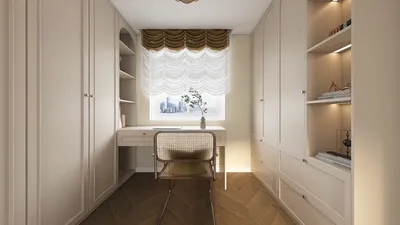


In a previous project, I had the challenge of installing a folding bed behind a "secret" bookshelf in a client’s studio — a decision that nearly led us into a trap of complications with hinges and concealed screws. This experience highlighted an important lesson: designing for small spaces often encourages creativity over complexity. If you're considering how to optimize your compact bedroom, utilizing a quick 3D layout mockup can be helpful to assess spatial dynamics before making any purchases.
Limited spaces ignite innovative solutions. Through over a decade of transforming kitchens and apartments, I've identified five effective folding-bed ideas that can withstand the rigors of everyday use. I’ll explain their strengths, weaknesses, and provide practical advice to ensure your next design project avoids pitfalls akin to my own 'glue-and-hinges' debacle.
1. Classic Murphy Bed with Integrated Storage
The Murphy bed is often the quintessential folding solution—vertically oriented, organized, and when complemented with cabinetry, it offers significant storage benefits. Incorporating full-height shelving on one side serves a dual purpose: it provides a balance against the cabinet’s front while concealing the mechanical components.
Benefits include an impressive reduction in footprint and a sophisticated aesthetic. However, the challenge lies in the cost of reliable mechanisms; poor installation may lead to squeaks or sticking. Therefore, it’s wise to invest in a premium lift and consider hiring a professional if you're not adept at handling hardware.
save pin
2. Fold-down Desk-Bed Combo
For a multifunctional studio where sleeping and working occur within the same square footage, a bed that folds into a desk or storage unit is invaluable. I once worked with a client who rotated between night shifts and needed a flexible workspace; the fold-down bed transformed the room’s dynamics beautifully.
This solution offers versatility but requires sacrificing some mattress depth and management of daytime clutter. A clever tip: create a dedicated area for your office supplies to avoid the hassle of clearing off your workspace each morning.
save pin
3. Sofa-bed Wall Unit with Sliding Panels
Uniting a sofa with a foldable bed within a wall unit allows for a lively living space throughout the day while transforming into a conventional bed at night. Opting for sliding panels or a curtain can enhance the aesthetics and obscure the bed's edge when entertaining guests.
This concept fosters a sociable environment, though the weight of mechanisms and potential compromise on mattress comfort must be considered. Investing in a superior mattress and evaluating the motion paths with a space-saving layout mockup—such as those offered by Homestyler—can help you avoid issues like window or radiator conflicts.
save pin
4. Ceiling- or Vertical-Lift Bed for Dual Zones
If you require swift transformation of floor space (think yoga in the morning, bed at night), a ceiling-lift or vertically hung bed can be revolutionary. I once installed such a system above a home gym corner; the bed descends effortlessly at night, clearing the space for daytime activities.
This design is both elegant and dynamic, yet it does necessitate a robust ceiling support. Installation can be costly, so early planning to verify ceiling joists and ensuring easy access for electricians is essential to avoid surprises during the installation phase.
save pin
5. Custom Niche Bed with Ambient Lighting
A recessed niche featuring a fold-down bed illuminated by soft lighting and complemented by a small bedside shelf can transform a tiny bedroom into an intentional, cozy retreat. I once created such a space in a rental that aimed for a luxurious hotel ambiance in just 9 square meters—strategic mood lighting paired with a slim mattress elevated the room's feel from cramped to chic.
Customization ensures the best fit, although it often entails a higher price tag. If working within a limited budget, selecting built-in features and fixtures that can be reused if structural changes occur is a smart approach. If you're eager to play around with layouts and designs, consider utilizing AI design tools like Homestyler to generate dynamic options and streamline your conceptual process.
save pin
FAQ
Q1: What's the best folding bed type for a studio apartment?
Choosing the right type largely depends on your daily activities: Murphy beds maximize daytime floor space, desk-beds cater to those needing a workspace, and sofa-beds are ideal for those prioritizing social areas. Consider how you utilize the space throughout a full day.
Q2: Are folding beds comfortable for nightly use?
Absolutely—provided you select a high-quality mattress and mechanism. Steer clear of overly thin mattresses unless they are for occasional use; numerous folding systems accommodate thicker, hybrid mattresses that offer comfort for longer durations.
Q3: How much should I budget for a reliable folding-bed installation?
Anticipate a broad pricing spectrum: basic DIY options may cost a few hundred dollars, while custom cabinetry and professional installation can elevate expenses into the low thousands. Prioritize budget allocation for the lift mechanism and frame integrity.
Q4: What safety checks should I do before buying?
It's crucial to verify weight ratings, lock mechanisms, and warranty details. When it comes to mechanical components, examine for soft-close functionalities and, if feasible, test full motion with professional assistance.
Q5: Can I install a folding bed myself?
If you're handy, smaller wall-mounted units can be DIY projects; however, anything substantial or ceiling-mounted should involve a licensed contractor to ensure structural integrity and adherence to local building regulations.
Q6: Do folding beds need special mattresses?
Certain systems may require specific sizes or flexible materials; always confirm mattress specifications from the manufacturer. Many modern folding bed designs can fit standard foam or hybrid mattresses, provided they comply with recommended thickness guidelines.
Q7: How do I maintain a folding bed long-term?
Keep all moving components clean and lubricated per manufacturing guidelines, annually check fasteners, and avoid overloading storage spaces. Regular inspections can help preempt most issues down the line.
Q8: Are there regulations about folding beds I should know?
Safety regulations for beds and sleeping furniture generally fall under national authority guidelines; for instance, the U.S. Consumer Product Safety Commission (CPSC) provides safety protocols regarding beds at https://www.cpsc.gov/. Always refer to local codes for any structural or exit requirements.
save pin
Homestyler is your go-to online home design platform! With an easy-to-use design tool, stunning 3D renderings, diverse design projects, and helpful DIY video tutorials, you can effortlessly create and visualize your ideal space. Transform your home design dreams into reality today!
Progetta ora GRATIS
































