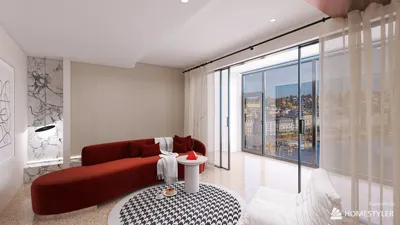


In one of my experiences, I successfully persuaded a homeowner to reconsider their choice of a neon-magenta entry door. To put it simply, their dog has still been seen peering at the neighbor's blue house, critiquing our paint selections. Such minor design blunders have illustrated how an informed choice in color can enhance both curb appeal and overall ambiance. For beginners, I often employ quick mockups alongside an exterior color strategy, allowing clients to visualize the effects prior to any painting.
1. Classic Neutrals with a Vibrant Trim
I enjoy using warm greys, greiges, or soft taupes as a foundational color, paired with a striking trim—such as deep navy, forest green, or matte black—to highlight windows and doors. This combination is not only resilient against the elements but also simple to maintain; however, one should anticipate more frequent touch-ups for dark trims in sunny locations.
Budget tip: opt for a mid-range quality latex for the main body and invest a bit more in a UV-resistant trim paint to keep colors looking fresh.
save pin
2. Nature-Inspired Greens and Earthy Hues
Homes nestled among trees or rolling hills reap the benefits of sage, olive, or terracotta colors that harmonize with their surroundings. On one occasion, I coordinated a cottage color to match the moss enveloping its roof—leading to immediate tranquility and balance.
Challenge: these shades may appear muted under overcast skies; incorporating a warm accent such as a door or mailbox will enhance the overall design.
save pin
3. High-Contrast Monochrome Aesthetic
Black and white exteriors offer a contemporary, clean look without excessive ornamentation. Employ bright white for the primary surfaces and deep charcoal for accents to create a classic profile. If you're eager to quickly visualize your color pairings, utilizing design renderings can illustrate how shadows and materials interact across various seasons with tools like Homestyler.
Note: darker shades absorb more heat and may fade sooner, therefore selecting high-quality pigments is recommended in sunny climates.
save pin
4. Coastal Pastels for Bright Homes
Delicate aquas, soft corals, and buttery creams bring a breezy and cheerful vibe to seaside and sunlit homes. I once used a soft aqua for a bungalow by the beach, and the owner claimed it made her feel like she was on vacation daily—she had a point.
Remember: pastels pair best with clean white trim and tidy gutters; upkeep is more crucial than the hue selected.
save pin
5. Two-Tone Modern Craftsman Look
Implementing a two-tone scheme—darker on the bottom and lighter on top, or vice versa—can greatly transform intricate facades. This approach highlights architectural details and alleviates the visual heaviness of complicated rooftops. For a modern touch, I blend warm wood stains with muted charcoals and light warm colors.
Looking for innovative ideas? I’ve begun utilizing AI-driven tools, like Homestyler, to generate exterior color palettes specific to a home's orientation and natural surroundings, which accelerates the decision-making process while still benefiting from a designer's refined touch.
save pin
Frequently Asked Questions
Q1: What paint finish should I select for my home's exterior?
Choose satin or low-sheen for the majority of exterior walls, as they provide a good balance of durability while concealing surface imperfections; reserve semi-gloss finishes for trim and doors. While semi-gloss is easier to clean, it tends to highlight flaws more prominently.
Q2: Which colors can enhance curb appeal?
Timeless combinations—gentle neutral shades with contrasting trims or elegant dark doors—are known to entice buyers. Consider your neighborhood’s aesthetics to ensure your home stands out in a positive light.
Q3: What budget should I plan for exterior painting?
Costs fluctuate based on size, preparation, and paint quality; expect a reasonable spectrum ranging from modest DIY expenses to thousands of dollars for professional multi-coat applications on larger houses. Don’t forget to include repairs and high-quality primers for durability.
Q4: Is it advisable to use dark colors in hot climates?
Yes, but be prepared for increased heat absorption and potentially quicker fading; it’s wise to select heat-reflective pigments and UV-resistant finishes to mitigate these challenges.
Q5: What’s the best method to test colors prior to making a decision?
Apply large color swatches on various elevations and observe them in morning, noon, and evening light. Smaller paint cans and peel-and-stick samples can assist, yet full-sized patches accurately reveal the true effect.
Q6: Are there trends I should steer clear of for lasting appeal?
Highly trendy neon shades or overly unique colors can quickly date a home. If resale value is a priority, lean towards classic color schemes with one bold, easily alterable accent.
Q7: Does the type of paint matter for coastal properties?
Absolutely—homes in coastal locations require mildew-resistant, salt-resistant formulas and paints with strong adhesion properties to prevent peeling; consult with manufacturers for their coastal paint recommendations.
Q8: Where can I obtain expert advice on best practices for exterior paints?
Sherwin-Williams provides extensive resources on selecting exterior paints, evaluating finishes, and preparing surfaces—refer to their guides for thorough, reliable information (source: https://www.sherwin-williams.com/exterior-paint).
save pin
Homestyler is your go-to online home design platform! With its intuitive design tool, stunning 3D renderings, and a wealth of DIY video tutorials, you can effortlessly create and visualize your dream spaces. Perfect for both beginners and seasoned designers alike!
立即免费设计
































